Easy Homemade Febreze Recipe | How to Make Room Spray

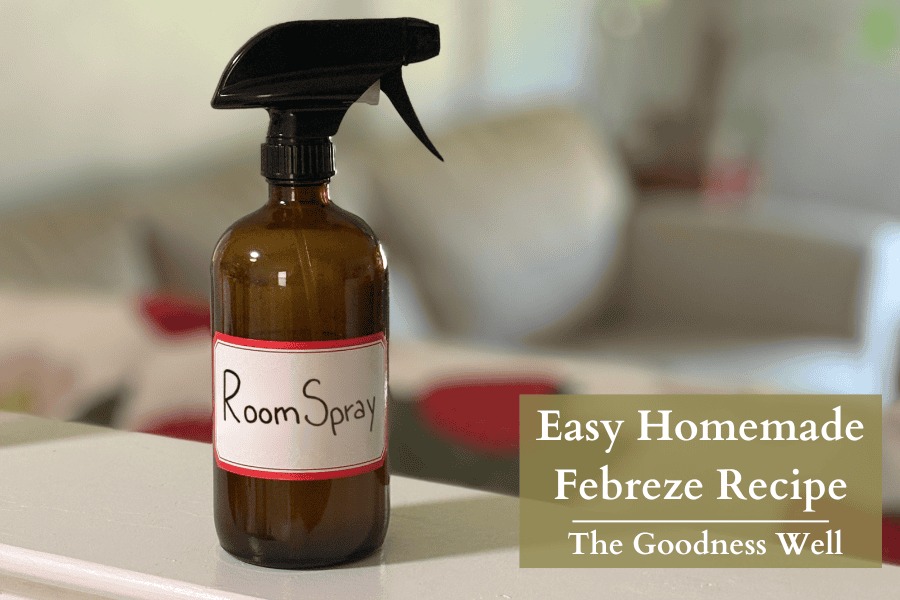
Tired of those expensive store-bought fabric sprays filled with synthetic fragrances and questionable chemicals (cough Febreze cough)?
We did a lot of research with some trial and error and have come up with the best DIY room spray you will find that’s easily made with ingredients already in your home.
You can use it on linens, couches, clothing, car seats, stinky rooms, and pretty much anything else you can think of.
And don’t worry about the essential oils in it as it is formulated to be safe for pets and children!
The Goodness Well is reader-supported. Some links in this article may be affiliate links, but every recommendation follows our editorial standards and independent review process. Learn more about our editorial standards and review methodology.
The Perfect Recipe
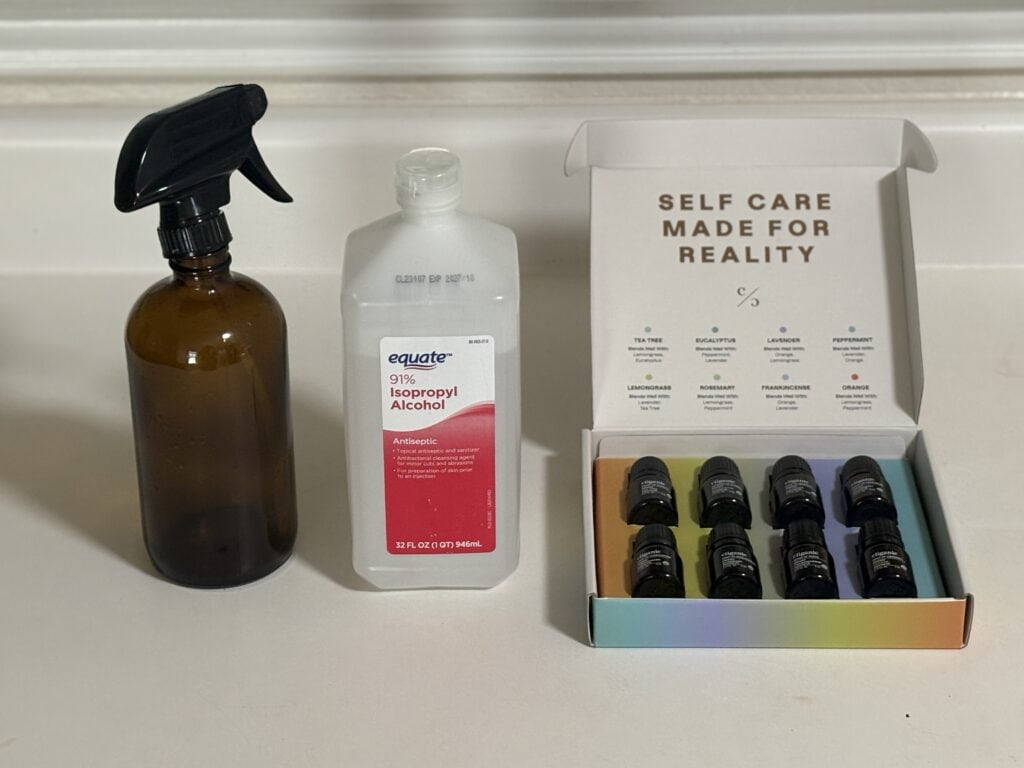
Ingredients
- ¼ cup rubbing alcohol (70% isopropyl), vodka, or witch hazel
- 1/2 Cup distilled water
- 15-20 drops essential oil of your choice
- Optional: 1 tablespoon white vinegar (This helps neutralize odors- no, you won’t smell it!)
- One spray bottle
This recipe is a little on the stronger side so if you are very sensitive, substitute the 1/2 cup of water for either 3/4 cup or 1 full cup of water depending on sensitivity level.
Instructions
- Combine rubbing alcohol and essential oil into a bottle first and let sit for a minute (this allows them to combine well)
- Add water
- Shake well before each use
- Spray lightly on fabrics and let air dry (one spray per area should work well!)
- The vinegar smell disappears quickly, leaving only your chosen essential oil scent
Why This Recipe Works So Well
This formula combines the best natural ingredients for maximum effectiveness:

- Alcohol: Helps prevent bacteria growth, dry faster, and distribute essential oils evenly throughout the solution (EO will not mix with just water)
- Vinegar: Also get rid of odors by helping neutralize odor-causing bacteria
- Right dilution: Safe for all fabric types without leaving residue or causing damage
- Natural preservation: This recipe is good for about 2-3 weeks at room temperature
Shelf Life and Storage
Expected Lifespan
- 2 to 4 weeks when stored properly in a cool, dark place
- Use a clean, airtight spray bottle (glass preferred)
- Rubbing alcohol provides some preservation but isn’t a complete preservative
Maximizing Freshness
- It will last longer if you use distilled water instead of tap water
- Sterilize containers before use
- Store away from heat and direct sunlight (the dark bottles we recommend help with this)
- Label with the date you made it
- For extended shelf life (6-12 months), add Optiphen Plus preservative (a safe, natural preservative) at 0.5-1.5% of total formula (which is about 1/4 tsp based on our recipe)
Pet-Safe Essential Oil Guide
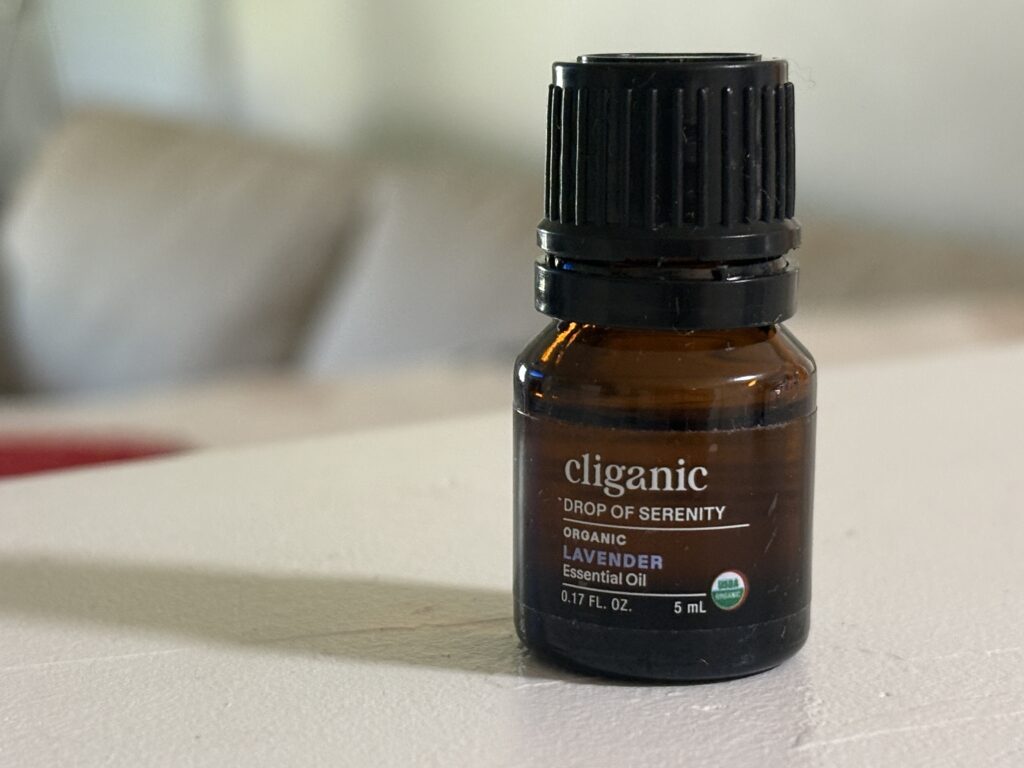
The 15-20 drops used in this recipe equals only 0.4-0.53% of the total solution—which is within the recommended 0.5-1% safe dilution ratio recommended for pets, making it effective but gentle.
To take safety further, be sure to use the following essential oils only:
✅ Safe Essential Oils for Both Cats and Dogs
- Lavender
- Chamomile
- Cedarwood
- Helichrysum
- Frankincense
- Turmeric
- Petitgrain
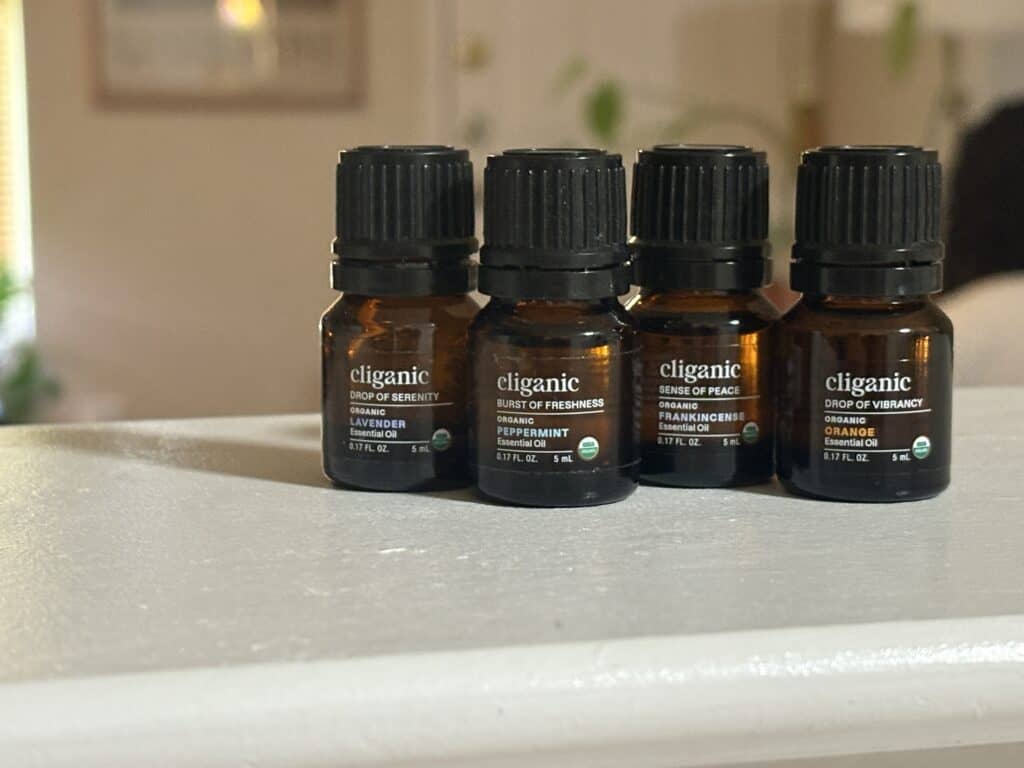
⚠️ Use with Caution (Dogs Only, Moderation)
- Lemon
- Peppermint
- Orange
- Wintergreen
- Tea Tree (Australian Tea Tree)
- Birch
- Basil
- Bergamot
- Grapefruit, Lime, Tangerine
- Birch
- Cinnamon, Clove
- Fennel
- Tea Tree (Australian Tea Tree)
- Oregano, Thyme
- Rosemary
- Spearmint
- Wintergreen
Pro Tips for Best Results
- Choose light-colored or clear essential oils to prevent fabric staining
- Always spot test on hidden areas of fabric first
- Sterilize your spray bottle to prevent contamination
- Vodka can replace isopropyl alcohol for a gentler option
- Witch hazel can also replace the alcohol as an alcohol-free alternative
- Baking soda can substitute for vinegar if you prefer (dissolve in warm water first)
- Shake well before every use—essential oils naturally separate
- Spray lightly and evenly across fabric surface
- Allow complete air drying for best results
- Reapply as needed for heavily soiled or odorous items
The Bottom Line
This natural fabric spray proves that effective doesn’t have to mean expensive or made with questionable ingredients.
With just four simple ingredients, you can keep your linens, furniture, and clothing smelling fresh- the natural way!
Let us know if you have a diy room spray recipe of your own that you love!