Budget vs. Premium Stainless Steel Pans: Is Caraway Worth the Extra Money?
Wondering if those expensive stainless steel pans are actually worth it? We compared a cheap stainless steel pan we picked…

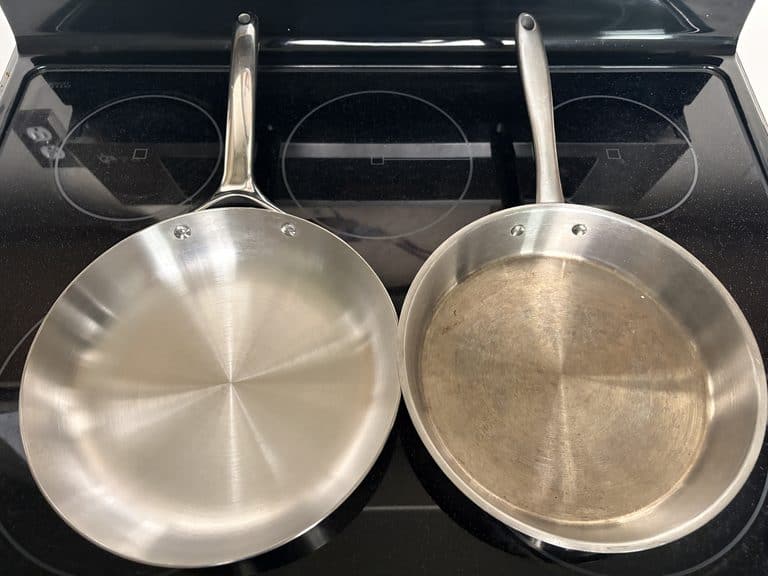
Wondering if those expensive stainless steel pans are actually worth it? We compared a cheap stainless steel pan we picked…
Best Choice Naturepedic Best Luxury Boll & Branch All-Season Sleep & Beyond best Weighted Bearaby gauze option Avocado Finding a…

We’ve had Caraway’s stainless steel cookware set in our kitchen for about four to five months now. Between batches of…
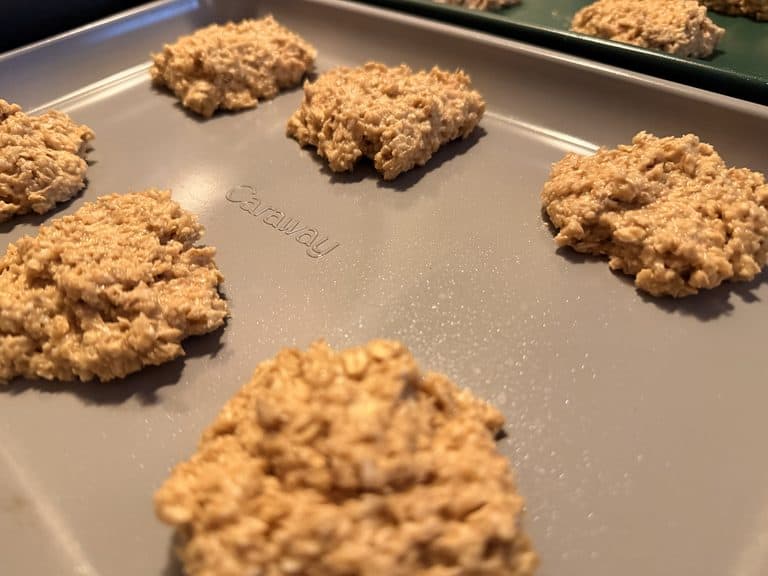
We do a lot of batch cooking, so our big baking sheet gets plenty of use. But sometimes we’re only…
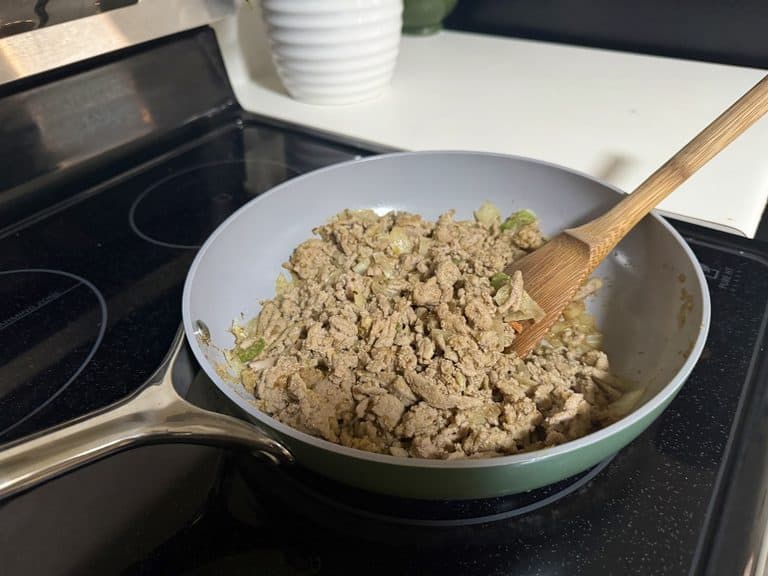
We’ve used our Caraway ceramic pan roughly 4–8 times a week for about a year, cooking everything from eggs to…
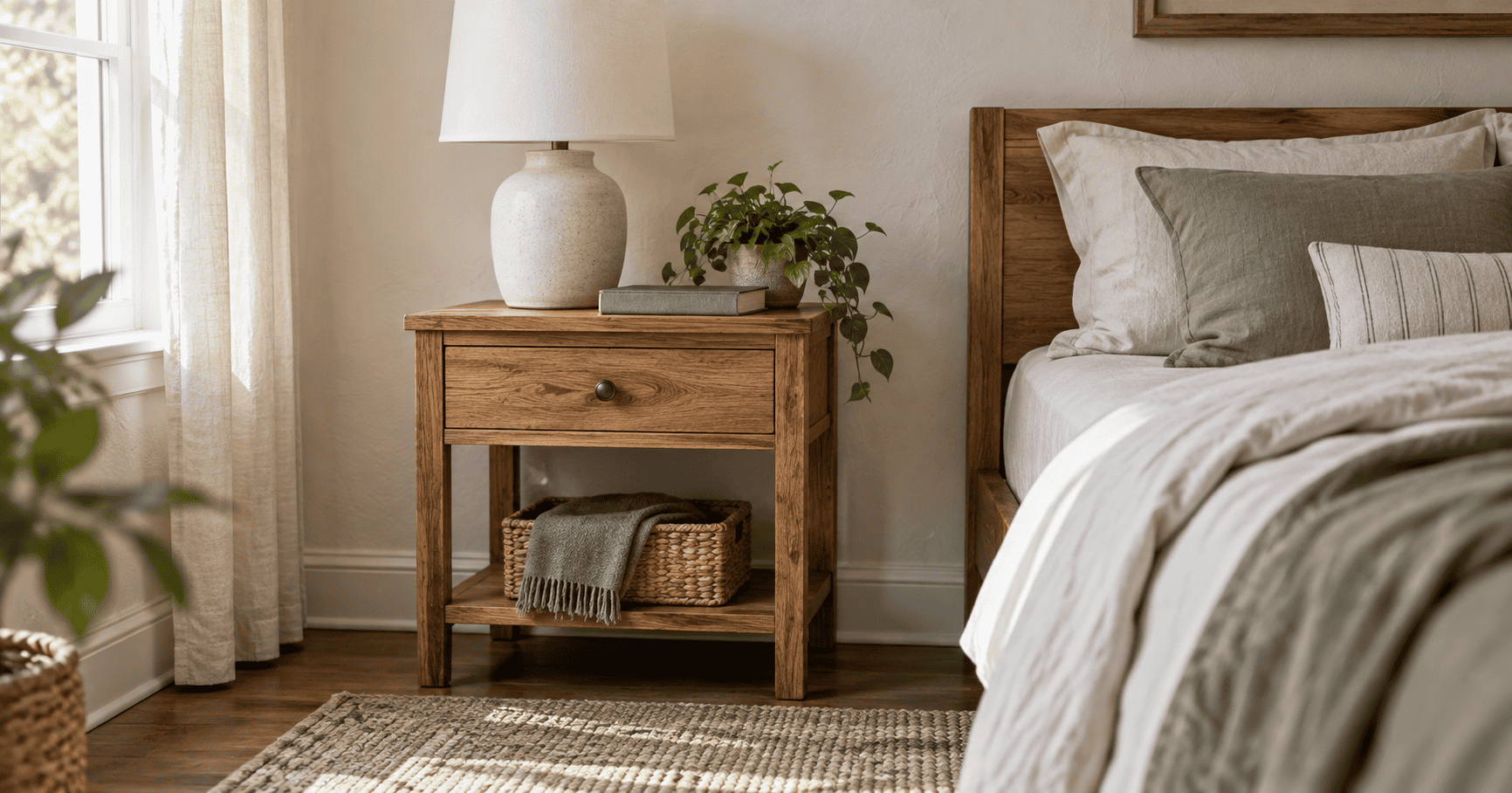
Best Overall Naturepedic Best Materials Green Cradle Most Affordable Plank+Beam Best Value Healthier Homes Best Modern Design Thuma A nightstand…
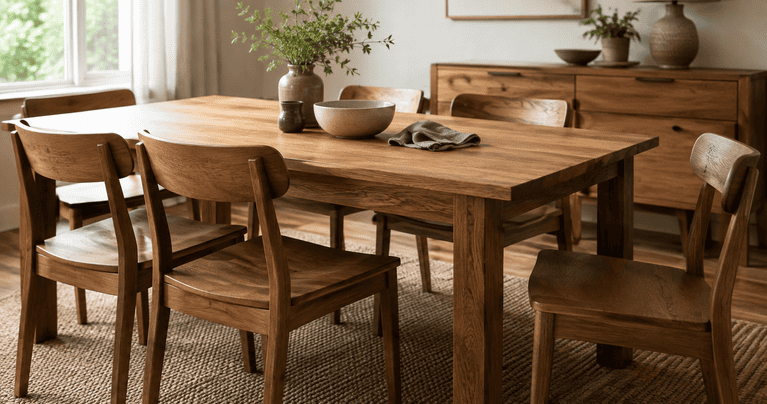
Best Overall Healthier Homes Best Budget Option Plank+Beam Best Dining Sets Castlery Best Material Transparency Medley Best Brand Selection Urban…
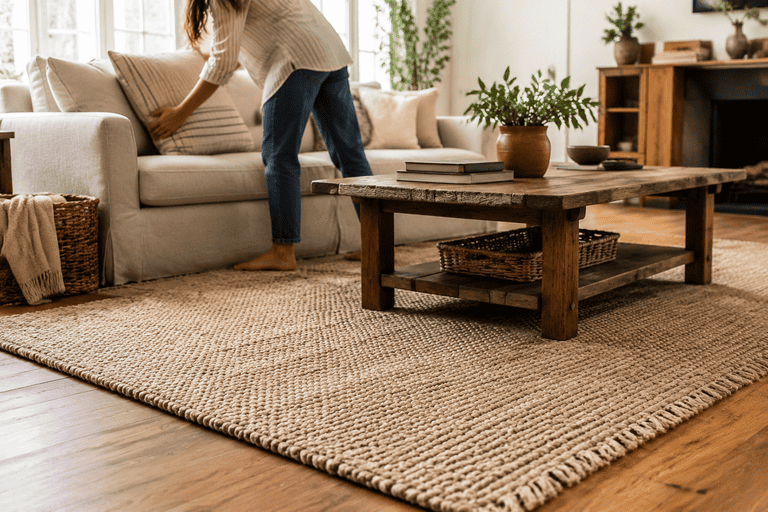
Best Overall Home of Wool Best Value Healthier Homes Premium Pick LOOMY Best Artistic Designs Cold Picnic Best Selection Boutique…
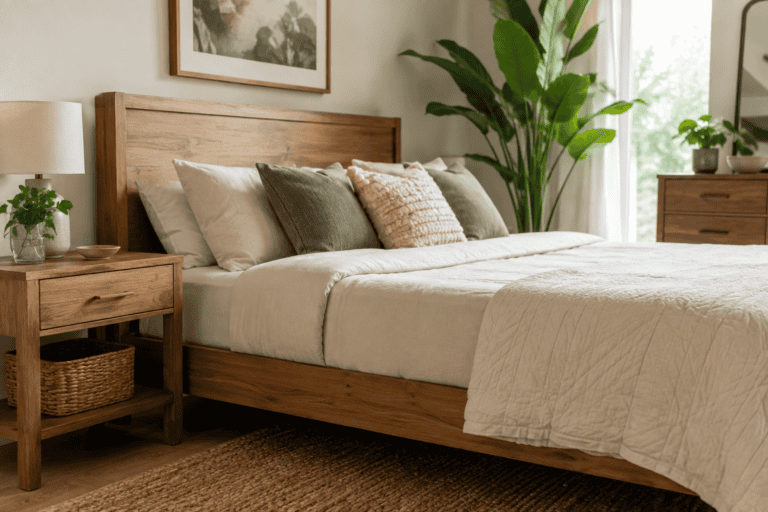
Best Overall Naturepedic Most Affordable Plank+Beam Best Value Avocado Best Stylish Furniture Healthier Homes Best Kids Furniture Maxtrix Kids Best…
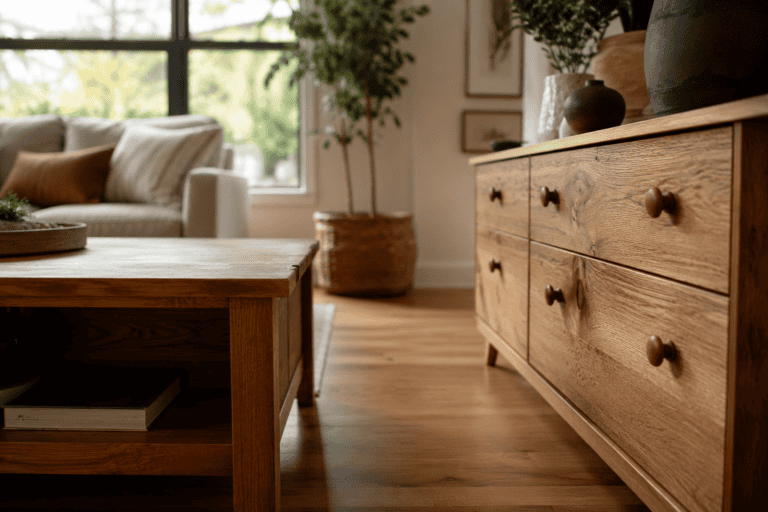
Choosing between solid wood and engineered wood furniture involves more than comparing appearance, price, or durability. The materials, adhesives, and…