Explained: What Is Fair Trade Certified?

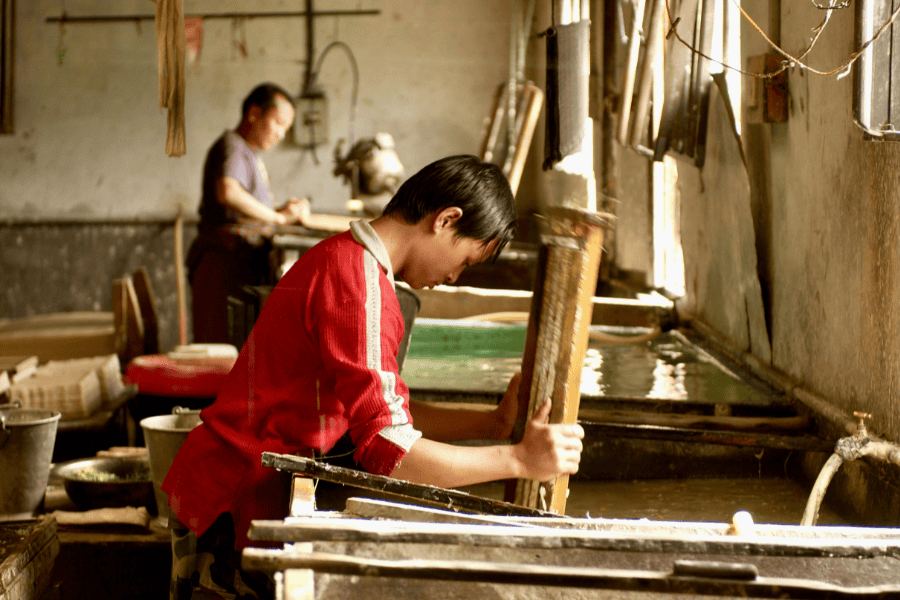
If you’ve ever seen a Fair Trade Certified label on furniture, coffee, clothes, or even chocolate, you may have wondered what it actually means.
Fair Trade certification is often seen as a way to do good with everyday purchases.
With more terms being used to describe safer, cleaner, and more responsibly made products, it can be hard to tell the difference between certifications like GOTS (Global Organic Textile Standard) and Fair Trade.
This article breaks down what Fair Trade Certified really means and how to understand it without overcomplicating things.
Fair Trade Certified means a product was made under standards that support fair pay and safer working conditions for workers.
It focuses on protecting workers and communities by setting rules for wages, labor rights, and ethical sourcing.
While helpful, it does not automatically mean a product is organic, non-toxic, or environmentally clean.
What Does “Fair Trade Certified” Mean?
Fair Trade Certified means a product was made following standards designed to protect workers and support farming or manufacturing communities.
The certification focuses on people, not product performance, health claims, or chemical safety.
At a basic level, Fair Trade certification is meant to ensure:
- Workers are paid more fairly for their labor
- Unsafe or abusive working conditions are restricted
- Producers receive more stable pricing instead of extreme market swings
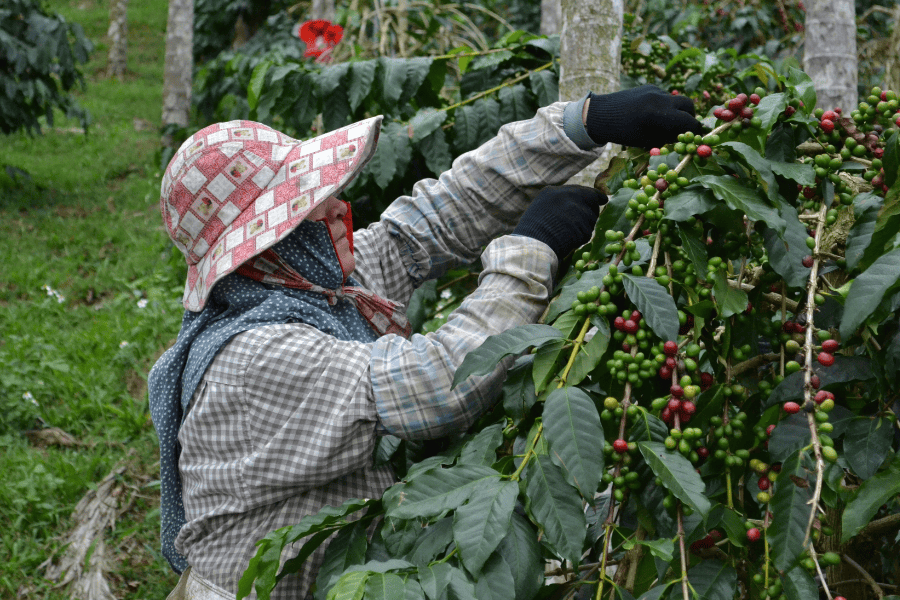
For example, when you buy Fair Trade Certified coffee, it helps farmers earn a more predictable income rather than being paid rock-bottom prices during market drops.
That stability can affect everyday life in very real ways, like helping families afford school fees for their kids or invest in safer equipment at work.
It’s important to understand what Fair Trade is not measuring.
Fair Trade Certified does not address:
- Chemical exposure (such as PFAS, VOCs, or pesticide residues)
- Whether a product is organic or non-toxic
- Indoor air quality or off-gassing from finished goods
This matters more for items with daily, close contact, like clothing, bedding, or upholstered furniture.
A Fair Trade Certified cotton shirt, for instance, may support better labor practices, but it could still be dyed with synthetic chemicals unless another certification addresses that.
If those are the things you’re looking to address, GOTS is the more fitting certification.
If you want items that are both ethically made and safer for everyday use, choose products with both Fair Trade Certified and GOTS labels.
At The Goodness Well, we look at Fair Trade as a social ethics signal, not a health or safety guarantee.
What Fair Trade Certification Actually Covers
Fair Trade certification focuses on how people are treated during production. It sets social and economic standards but only limited environmental ones.
Fair Wages and Working Conditions
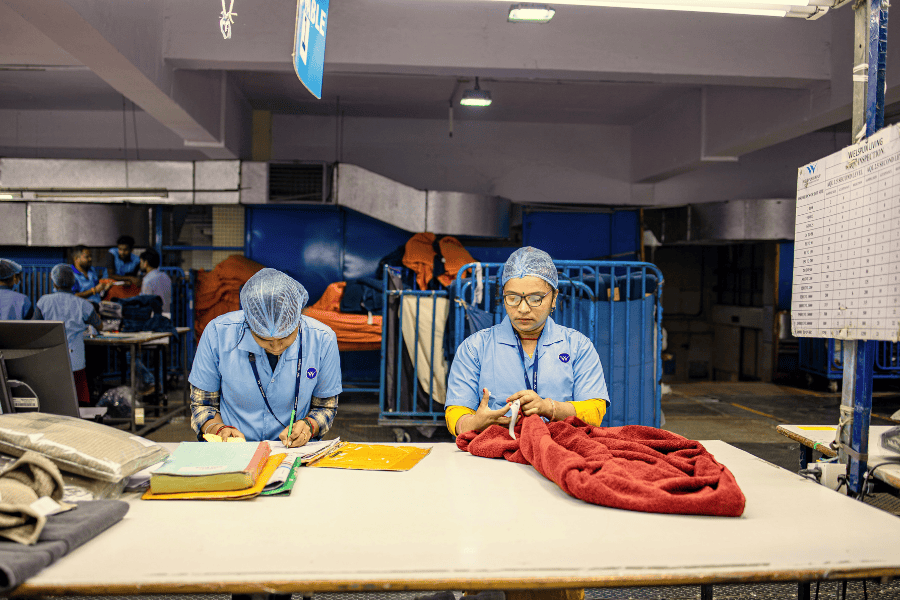
Fair Trade standards are designed to reduce exploitation in supply chains where workers are most vulnerable.
They generally require:
- Minimum pricing so producers aren’t paid below a set floor
- Safer working conditions and basic labor protections
- Restrictions on forced labor and child labor
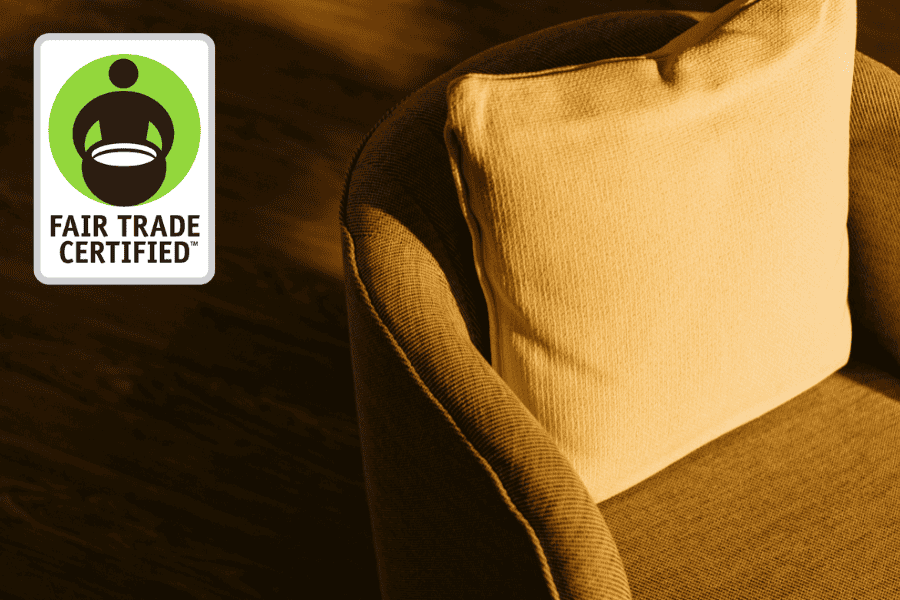
For example, Fair Trade is most common in products like coffee, cocoa, and cotton, which are all industries where families, including children, are often involved in farm work.
In many global supply chains, extreme forms of labor exploitation, including forced labor and child labor, remain persistent risks.
However, this certification helps reduce situations where kids are pulled out of school to support unstable family income.
This matters more for products that rely on hand labor rather than machines.
Community & Environmental Standards
Fair Trade also includes a community premium, which consists of extra funds that producers can use for shared needs.

These funds are often used for:
- Schools or education programs
- Clean water access
- Safer tools or infrastructure
Environmental rules exist, but they are limited.
Fair Trade may restrict some of the most hazardous pesticides, but it does not address finished products for chemicals like PFAS, VOCs, or synthetic dyes used later in processing.
Common Misconceptions About Fair Trade
Fair Trade Certified can be a helpful signal, but it works best when you understand its limits and how it fits into everyday decisions.
Fair Trade Certified does mean the people behind a product were treated more fairly.
It does not mean the product itself is safer, cleaner, or healthier than similar products without the certification.
Fair Trade certification does not guarantee that a product is:
- Organic
- Non-toxic
- Free from chemicals like PFAS, VOCs, or synthetic dyes

For example, a Fair Trade Certified cotton blanket may support better labor practices, but it could still contain chemical finishes that off-gas more than untreated fabrics.
How To Use Fair Trade In Real Life
Fair Trade matters most in products where labor conditions are historically high-risk, such as coffee, cocoa, and cotton. In these categories, the certification directly affects how people are paid and treated.
Fair Trade works best when paired with other certifications:
- Combine Fair Trade with organic for food and textiles to reduce pesticide exposure
- Pair Fair Trade with GOTS or OEKO-TEX® for fabrics that have higher skin contact
Fair Trade does important work, but it isn’t the whole picture. Pairing it with other certifications helps cover both ethical sourcing and product safety.