What Does FSC Certified Mean? (A Simple Guide)

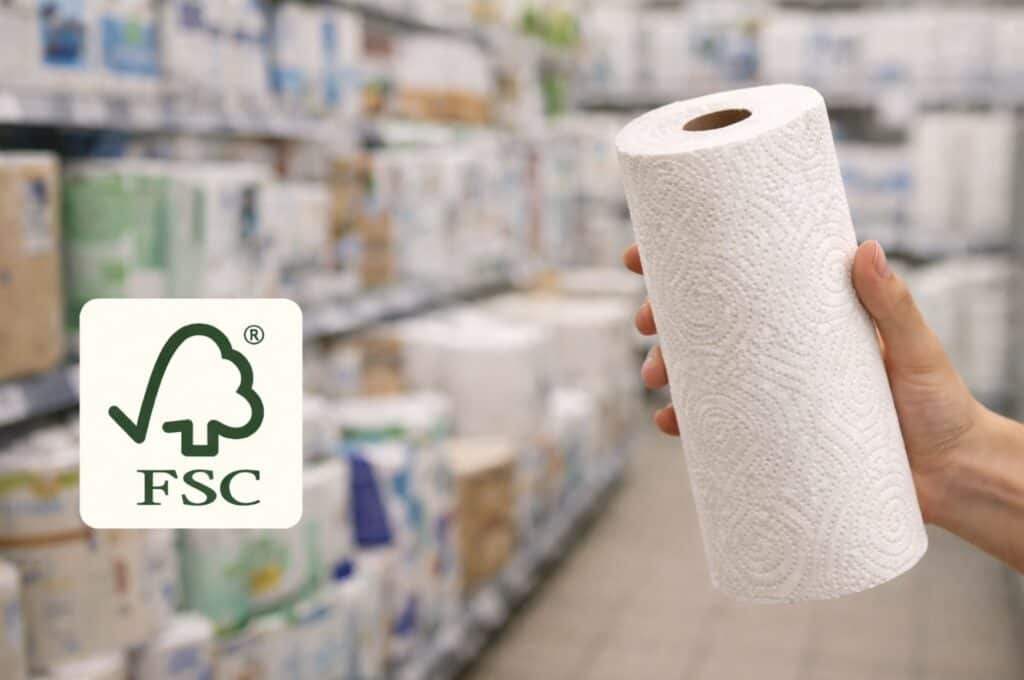
Wood and paper products show up everywhere in daily life, from toilet paper and packaging to furniture and home renovations.
When you see an FSC Certified label, it is meant to signal that those materials come from more responsibly managed forests, not from destructive or illegal logging practices.
This matters because everyday household products can have broader environmental and health implications, especially when their sourcing contributes to deforestation or unsustainable land use that harms ecosystems and air quality, which the EPA notes can indirectly affect human health and indoor environments.
Understanding what FSC Certified really means helps you make more informed, realistic choices without needing to become an expert in forestry or sustainability.
FSC Certified means wood or paper comes from a responsibly managed, traceable sourcing system.
It signals the material was checked against forest and supply-chain standards, not just marketing claims. Use it as a helpful guide for everyday purchases, especially paper goods and wood products.
What FSC Certified Means (In Plain English)
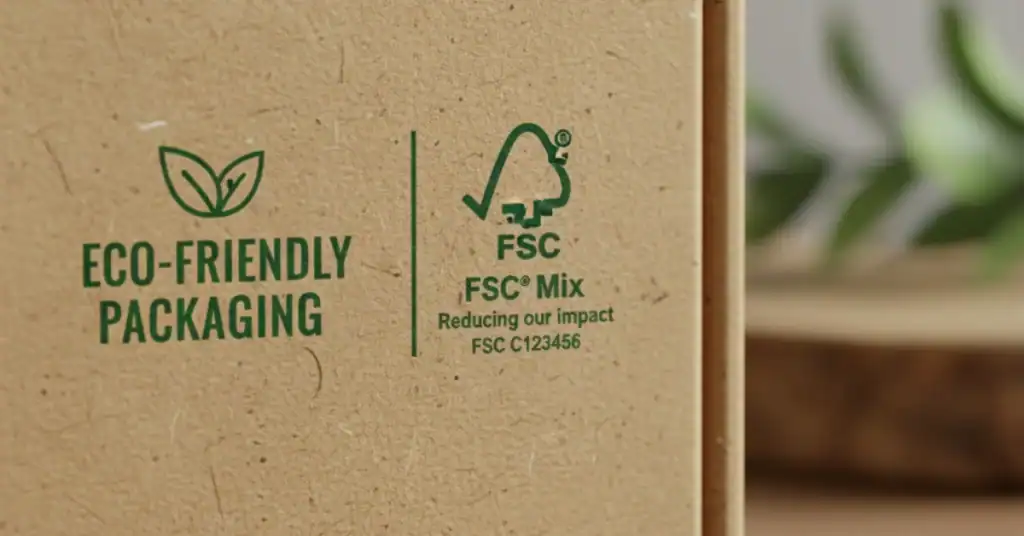
FSC Certified means a wood or paper product comes from a system designed to protect forests and track materials responsibly from the source to the store.
In practical terms, it is a third-party certification that checks for more responsible forest management and better supply-chain accountability.
You will most often see FSC on:
- Paper products (toilet paper, tissues, notebooks)
- Cardboard and packaging
- Furniture and home goods made with wood
- Building materials (like wood panels or flooring)
FSC labels often appear on packaging even when the product inside is not paper-based.
What FSC certification covers
FSC focuses on where the material comes from and how it is managed, not on “clean ingredients” in the way you would think about skincare or food.
At a high level, FSC standards are meant to support:
- Healthier forests (protecting biodiversity and long-term forest regeneration)
- Better rules around logging (reducing irresponsible or illegal sourcing)
- Worker and community protections (baseline expectations for rights and safety)
FSC also includes a chain of custody, which helps confirm that certified material is tracked through manufacturing and distribution and not later swapped with unknown sources.
Chain of custody is a tracking system that follows materials through the supply chain, helping prevent mix-ups.
Understanding Each FSC Label
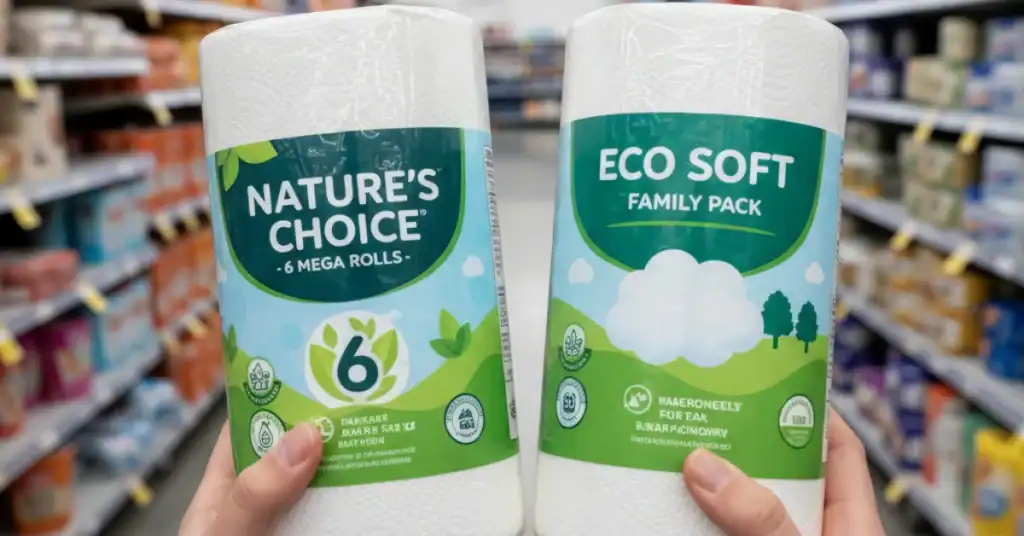
FSC labels are not all the same. The wording indicates what the product is made of and how the certified material is sourced or tracked.
FSC 100%
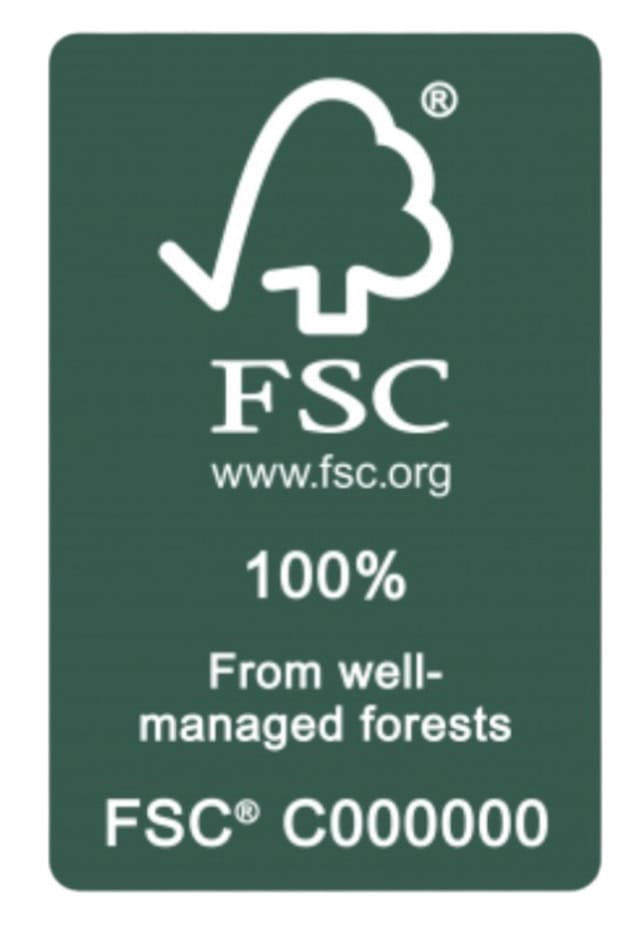
This label is the most straightforward.
- What it signals: The wood or paper comes entirely from FSC-certified forests.
- Best for: When you want the cleanest “from certified forests” sourcing story, especially for wood-based products like furniture or lumber.
If you want the simplest label to interpret, start with FSC 100% on wood-heavy items.
FSC Recycled
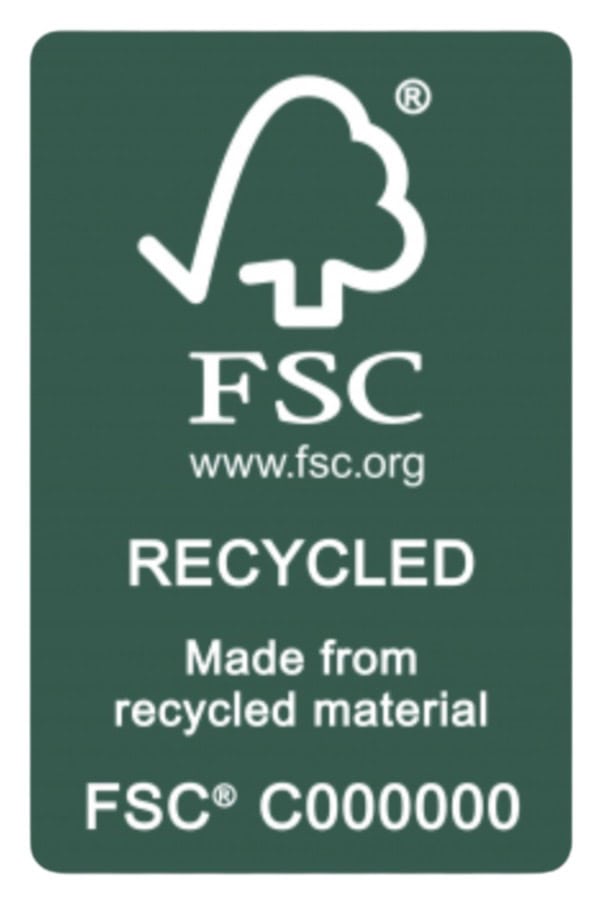
This label focuses on recycled inputs rather than newly harvested wood.
- What it signals: The product is made from recycled material.
- Best for: High-turnover paper goods (paper towels, tissues, printer paper) that you buy and replace often.
- Concrete comparison: If your goal is to reduce reliance on newly cut trees, FSC Recycled is typically more aligned with that goal than FSC 100%, because it uses existing fiber instead of virgin fiber.
FSC Mix
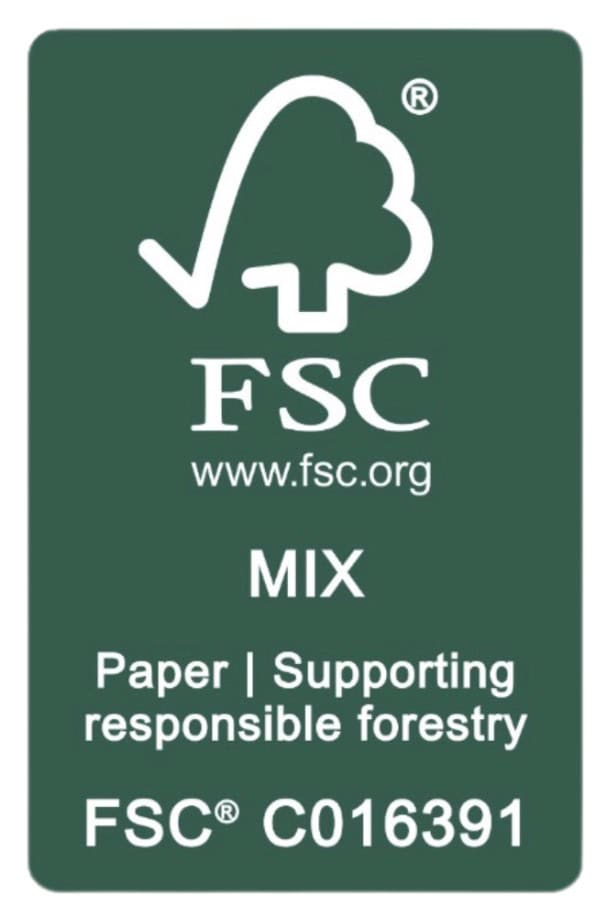
This label is common and can still be a positive sign, but it requires a bit more interpretation.
- What it signals: The product contains a mix of:
- FSC-certified material and/or
- Recycled material and/or
- “Controlled” sources (a category meant to avoid the worst practices)
- Best for: Products where fully recycled or fully certified inputs are harder to guarantee at scale, like some packaging, composite wood products, or certain paper items.
REAL-LIFE EXAMPLE
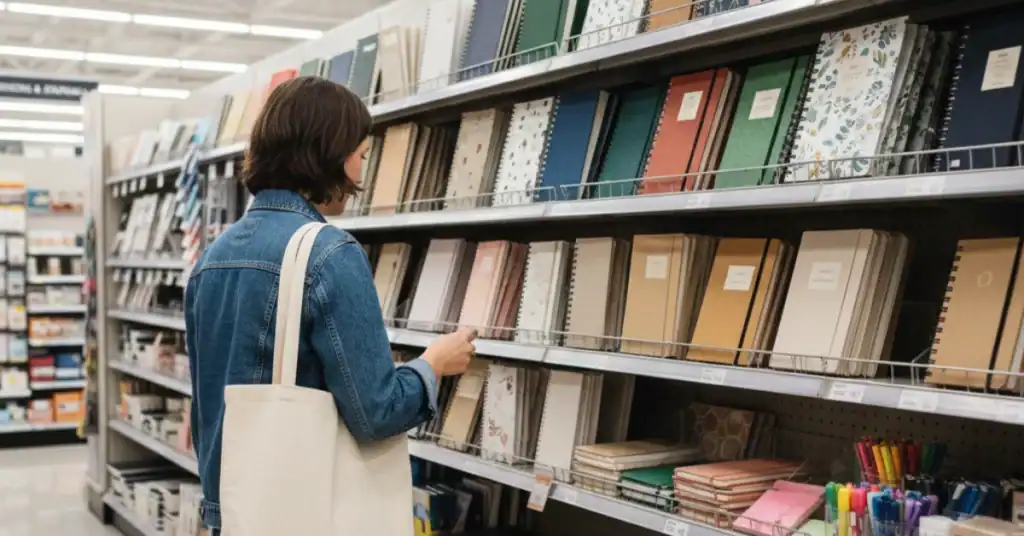
You are choosing between two notebooks. One says FSC Recycled and the other says FSC Mix. If you go through notebooks often, FSC Recycled is usually the more practical choice because it uses recycled fiber for a repeat purchase.
How to Use FSC Certification to Make Better Purchases

FSC is most useful when you are buying wood or paper products frequently or investing in large-ticket items made from wood.
A simple decision filter for shoppers
Use this quick checklist when you are deciding whether the FSC label should influence your choice:
- Prioritize FSC more when the item is:
- High-volume and frequently replaced (toilet paper, paper towels, tissues, printer paper)
- Wood-heavy and long-lasting (furniture, shelves, bed frames, flooring)
- Part of a renovation (plywood, framing, cabinetry materials)
- Lean on other factors more when the item is:
- Mostly non-wood with only a small paper label or sleeve
- A one-off purchase where durability matters more than the label (buying one solid item you will keep for years)
Some finishes release more noticeable odors when new, so fresh-air ventilation can make setup more comfortable.
Limitations, tradeoffs, and common misunderstandings
FSC answers one main question: Was this wood or paper sourced through a more responsible system? It does not answer every “healthy home” question.
- FSC is not a non-toxic label.
It does not tell you what finishes, inks, adhesives, or coatings were used. - For furniture, what is on the wood can matter as much as the wood itself.
A dresser can be FSC-certified and still use finishes that smell strong or off-gas. If indoor air is a priority, also look for low-VOC finishes and good ventilation during setup.
If indoor air quality is a priority, you can pair FSC with certifications like GREENGUARD Gold, which focuses more on low chemical emissions from furniture and building materials.
- “FSC Mix” is not meaningless.
It usually means the brand uses a mix of certified and/or recycled inputs, with sourcing rules in place, even if it is not 100% certified fiber.
How to make a practical judgment
Here are easy ways to apply FSC in real life, without overthinking it:
- If you are buying paper goods
- Choose FSC Recycled when you can, especially for items you replace weekly.
- If your household uses a lot of paper towels or tissues, this is where “small swaps” add up.
- If you are buying furniture
- Use FSC as a starting point for responsible wood sourcing.
- Then check product details for finish type and low-VOC claims, and prioritize pieces built to last.
- If you are renovating or DIY-ing
- FSC can be especially useful for wood panels, plywood, and lumber.
- Pair it with choices that reduce waste: accurate measurements, fewer offcuts, and buying only what you need.
Building and renovation materials can represent a large share of wood use in a single home project.
At The Goodness Well, we treat certifications like FSC as one useful signal, and we still look at the full product, including finishes and how it is used at home.
Conclusion
FSC Certified is a helpful label when you want more confidence about where wood and paper products come from and how forests are managed.
It does not mean the product is perfect, but it does indicate that sourcing was handled with greater care than for products with no certification.
Used thoughtfully, FSC can be one simple part of making calmer, more informed choices for your home.
You do not have to get it “right” every time—just using the label as a guide, alongside durability and how a product fits your life, is often enough.