What Is UL ECOLOGO Certification? (What the Label Means for Shoppers)

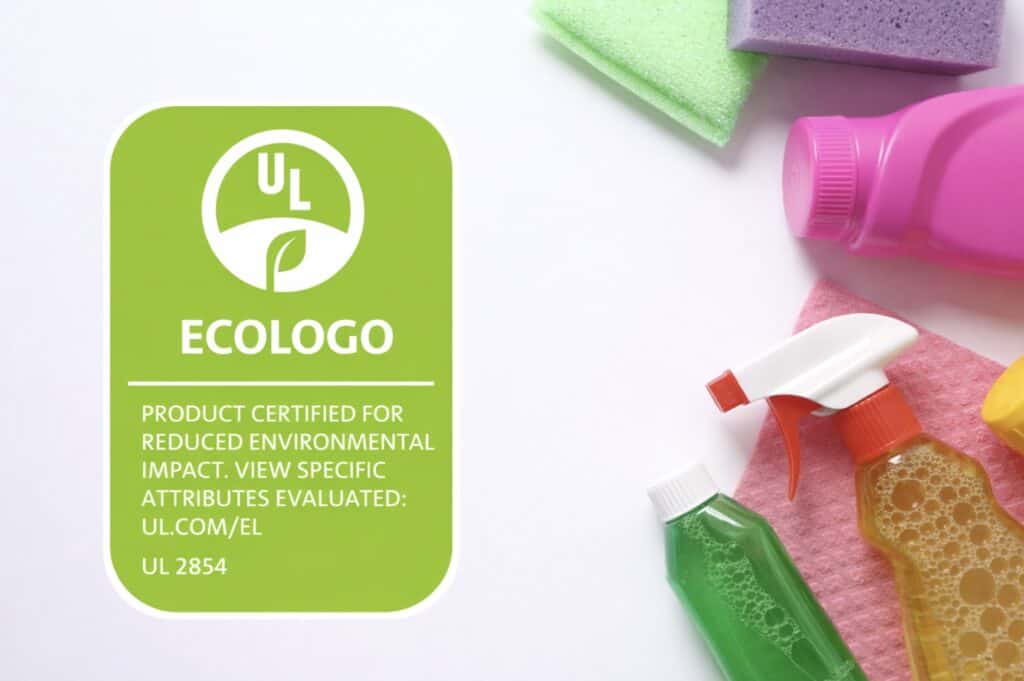
UL ECOLOGO Certification is one of the labels people spot when they are trying to choose products that are better for the environment without getting lost in vague “eco-friendly” claims.
It matters because everyday items used at home, like cleaners, paints, and paper products, can affect what gets released into indoor spaces over time.
In fact, the U.S. Environmental Protection Agency (EPA) notes that many indoor air quality issues come from pollution sources inside buildings, including common household products.
This guide explains what the certification is, what it generally evaluates, and how to use it as a practical signal when making real-life choices.
UL ECOLOGO Certification is a third-party label for products that meet environmental standards.
It helps you spot options designed to reduce environmental impact across their life cycle.
It works best as a quick filter, then you can check details that matter to your home.
UL ECOLOGO Certification, Explained Simply
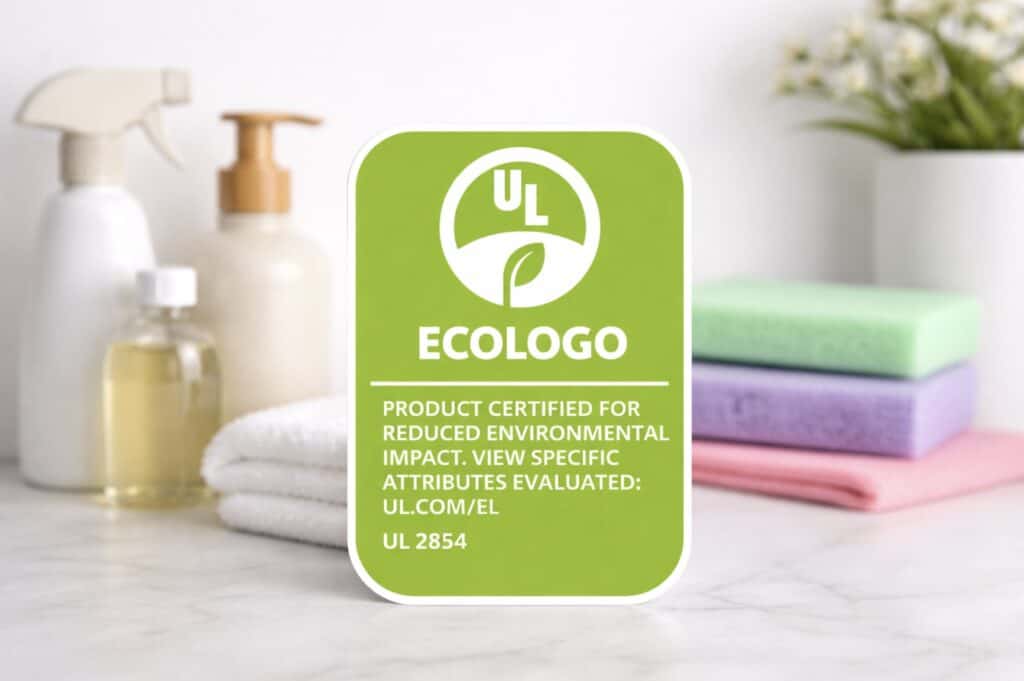
UL ECOLOGO is a third-party certification that helps identify products designed to reduce environmental impact.
In simple terms, it means:
- A product met a set of published standards for its category
- Those standards look beyond one “green” claim and consider the product more holistically
- The certification is granted by an independent organization, not the brand itself
People often use it as a quick signal when comparing similar items on a shelf or online.
Certifications like UL ECOLOGO exist partly because “green” marketing claims are not always consistent or comparable.
UL ECOLOGO is helpful, but it is not a promise that a product is perfect for every person or every home.
It does not automatically mean:
- “Non-toxic” in the way most shoppers use that phrase
- “Chemical-free” (everything is made of chemicals, including water)
- “Safe for everyone,” especially if someone has fragrance sensitivity or a history of reactions
A practical way to think about it: UL ECOLOGO can be a strong environmental screen, but it may not answer every personal preference question by itself.
Key Takeaway: UL ECOLOGO is a strong environmental signal, but it is not a personal guarantee.
What It Covers & How It Works

The product categories UL ECOLOGO covers
UL ECOLOGO is used across many everyday categories, especially products people buy often for home and workplace use. The exact rules depend on the category.
Common items include:
- Household and institutional cleaners (the kinds used regularly on counters, floors, bathrooms)
- Paper products (like tissue or towels)
- Paints and coatings (where indoor use can matter)
- Adhesives and sealants (often used in home projects)
- Some services (in certain cases, certification can apply beyond physical products)
Because each category has its own standard, a cleaner is not judged the same way a paint is.
The certification criteria are written to match how that product is made, used, and disposed of.
How the certification process generally works
The process is meant to move beyond a single “green” claim and check whether a product meets a full set of requirements for its category.
“Life cycle” means looking at impact across making, using, and disposing of a product, not just one ingredient.
At a high level, it usually involves:
- A published standard for that product type
This acts like a rulebook for what the product must meet to qualify. - Review of the product against those criteria
The focus is environmental performance across the product’s life cycle, not just one feature. - Ongoing oversight over time
Certifications are not meant to be “set it and forget it.” Standards can be updated, and certified products may be reviewed again to stay listed.
How to use UL ECOLOGO in real life
What it means for daily use
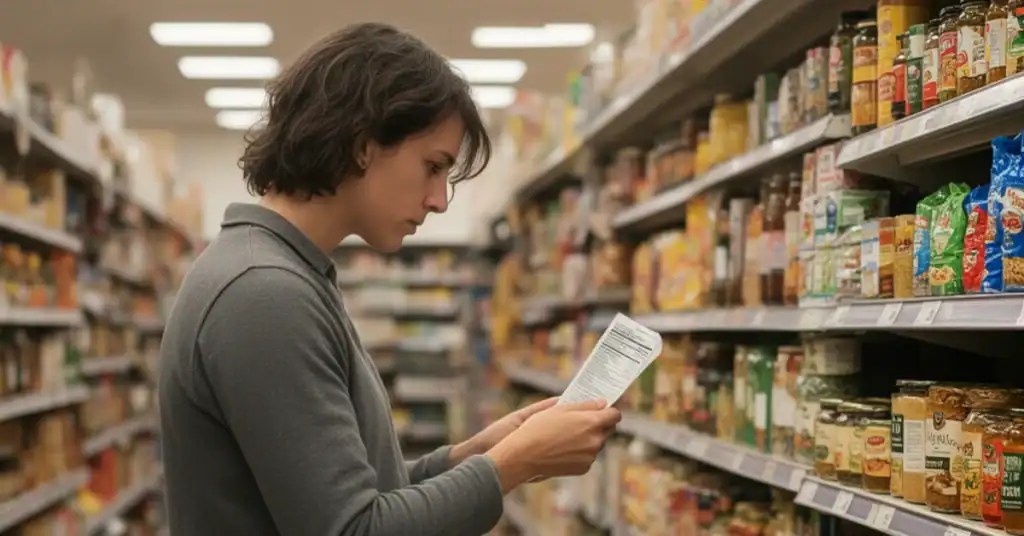
UL ECOLOGO can work like a practical shortcut when someone is trying to choose between similar products.
Use UL ECOLOGO to narrow choices fast, then read the label for the details your household cares about.
A simple way to use it:
- Use it as a first filter when shopping for everyday basics (like cleaners, paper products, or home improvement items).
- Compare “apples to apples.” It is most useful when comparing items in the same category, not a cleaner versus a candle, for example.
- Treat it as a signal, not the whole decision. It can narrow options quickly, then someone can check the label for the details they personally care about.
At The Goodness Well, we look at certifications like this as a helpful screen, then we check whether the product still fits real-life use in the home.
Limitations, tradeoffs, and common misunderstandings
This certification often gets misread as a blanket “safe” stamp. That is not how it is meant to function.
Two certified products can still feel very different day to day, especially in scent strength and use experience.
Common mix-ups:
- “Certified” does not mean “fragrance-free.” A certified product can still have scent, which may matter more in homes with sensitivity.
- “Certified” does not mean “zero emissions.” For example, items like paints and coatings can be more relevant to indoor air considerations (including VOC-related concerns) than something used briefly and rinsed away.
- Category standards vary. Two certified products can still feel very different in daily use, especially in scent strength, texture, or how concentrated they are.
A simple checklist for practical judgment
Use UL ECOLOGO as the starting point, then decide how much extra checking is worth doing.
UL ECOLOGO may be enough when:
- Someone is buying a routine household product and just wants a more environmentally responsible option.
- The product is used in a well-ventilated space and does not stay on surfaces long.
- The label is clear, and the listing looks consistent across the brand site and retailer.
Look deeper when:
- The product will be used frequently or in small indoor spaces (think: a daily-use spray in a small bathroom).
- A household is trying to avoid added fragrance or needs simpler formulas.
- The product is part of a home project where materials linger indoors (like paint, coatings, adhesives, or sealants).
Key Takeaway: The more often a product is used indoors, the more the “details check” matters.
What to check alongside the label:
- “Fragrance-free” or “unscented” language if that matters for the household
- Any ventilation or use instructions (especially for paints/coatings)
- Whether the product is verified on the certifier’s listing or registry when in doubt
REAL-LIFE EXAMPLE
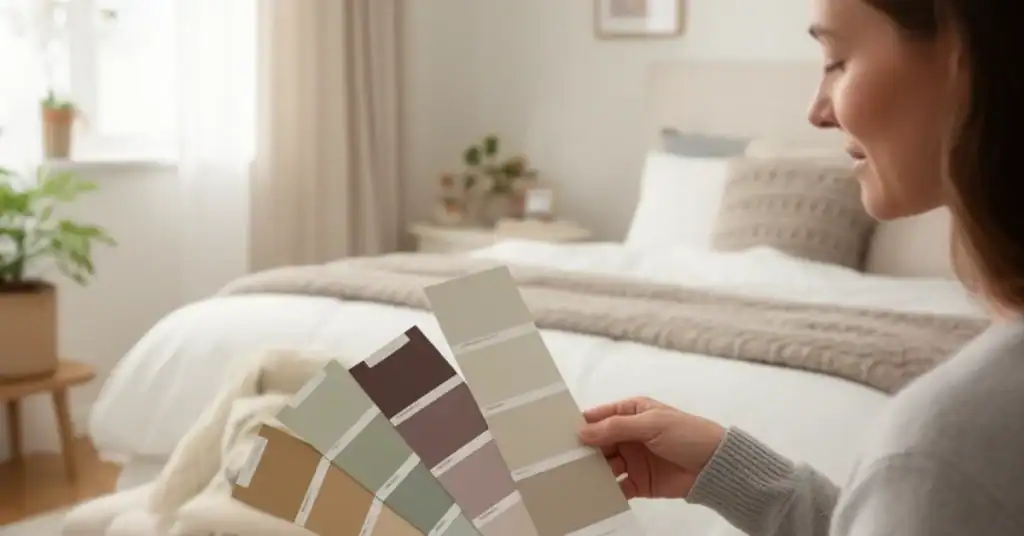
A parent is choosing paint for a small bedroom and sees one option with UL ECOLOGO. That label can be a strong starting signal, but they still choose to check for low-odor guidance and plan ventilation because the paint will be applied indoors and the room will be used right away.
Conclusion
UL ECOLOGO Certification is a helpful label for spotting products that aim to reduce environmental impact, without relying on vague “green” marketing.
It works best as a smart first filter, especially when comparing similar items you use regularly at home.
It is not a one-size-fits-all “perfect product” stamp, so it still makes sense to check for the details that matter most to your household.
With that simple approach, you can shop with more confidence and keep your daily choices practical and steady.