Is Fabric Softener Toxic? The Hidden Dangers in Your Laundry Room

When trying to achieve soft, smell-good laundry, we often turn to fabric softeners without a second thought.
But many of us don’t ever consider the many chemicals contained in these products and if they are safe or not.
Concerns like these are important to ask ourselves as we continue to learn how the products we use every day affect our health and the environment.
Lucky for you, we have the answers! 😎
TL;DR
So, Is fabric softener toxic?
Yes, while they smell good and are pretty much a household staple, fabric softeners are toxic. Fabric softeners, while convenient and popular, can carry hidden health risks, including harmful chemicals like quats and phthalates that cause skin irritations, respiratory issues, and endocrine disruption in humans, while also wreaking havoc on the environment. When washed down drains, these synthetic compounds can pass through wastewater treatment and contaminate waterways, killing aquatic life and bioaccumulating up the food chain.
What Is Fabric Softener?
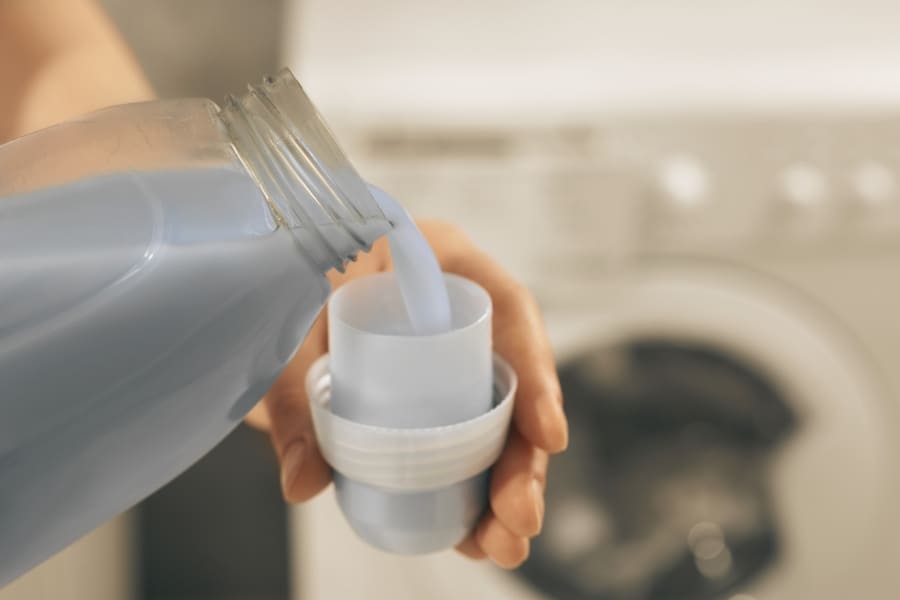
Fabric softeners are household staples designed to soften fabrics and leave them smelling clean.
🙋♂️But how do they work?
Fabric softeners work by coating your clothes with chemicals that make them feel softer and reduce static cling.
These chemicals stick to your clothes during the washing process, smoothing out the fibers, which makes the fabric feel softer to the touch.
Fabric Softener Ingredients
Key ingredients in fabric softeners are:
- pH Modifiers
- Quaternary Ammonium Compounds (Quats)
- Fatty Acids
- Cationic Surfactants
- Fragrances
- Preservatives
- Colorants and Dyes
Dangers Hidden In The Ingredients
I used to be all about fabric softeners until I found out just how toxic fabric softeners are.
Here are the hidden dangers and health risks linked to fabric softener ingredients.
Respiratory Issues and Skin Irritations
Fragrances, preservatives, dyes, and quats have all been linked to skin irritation and respiratory issues.
People with sensitive skin or asthma are particularly vulnerable to these effects.
Common symptoms of respiratory irritation from fabric softeners include:
- Coughing
- Wheezing
- Shortness of breath
- Chest tightness
Skin irritation from fabric softeners can manifest as:
- Dryness
- Itching
- Redness
- Rashes
In severe cases, fabric softener exposure can trigger asthma attacks or worsen other respiratory conditions.
Reproductive and Developmental Issues
🧪 Phthalates
🧴 Commonly found in synthetic fragrances (like “fresh linen” and “summer day” scents).
What they do:
- Make fabrics feel softer
- Enhance scent
Why it matters:
- Disrupt hormone levels
- Linked to reproductive problems and developmental issues in children
🌸 Artificial Fragrance
💡 “Fragrance” can mean Over 4,000 different chemicals—many of them hidden.
Potential health risks:
- Allergies
- Skin sensitization
- Even cancer
🧼 Quats (Quaternary Ammonium Compounds)
🧊 Used as antistatic agents in fabric softeners
The concern:
- May weaken the immune system
- Associated with respiratory problems
Impact on Sensitive Populations
Children and those with pre-existing health conditions are more vulnerable to the harmful effects of fabric softeners.
People with asthma, allergies, or other respiratory conditions may experience worsened symptoms when exposed to fabric softener residue on their clothes.
Safer Alternatives to Fabric Softeners
Knowing these frightening possible effects of using fabric softeners can be discouraging but the good news is that there are safer alternatives.
Homemade and Natural Methods
Natural methods offer a healthier and more eco-friendly approach to softening clothes.
Here are a few natural swaps for fabric softener…
Wool dryer balls are a reusable and eco-friendly alternative to fabric softener sheets.
These felted balls bounce around in the dryer, lifting and separating clothing fibers, resulting in softer, static-free laundry.
Wool dryer balls also help to reduce drying time and wrinkles.
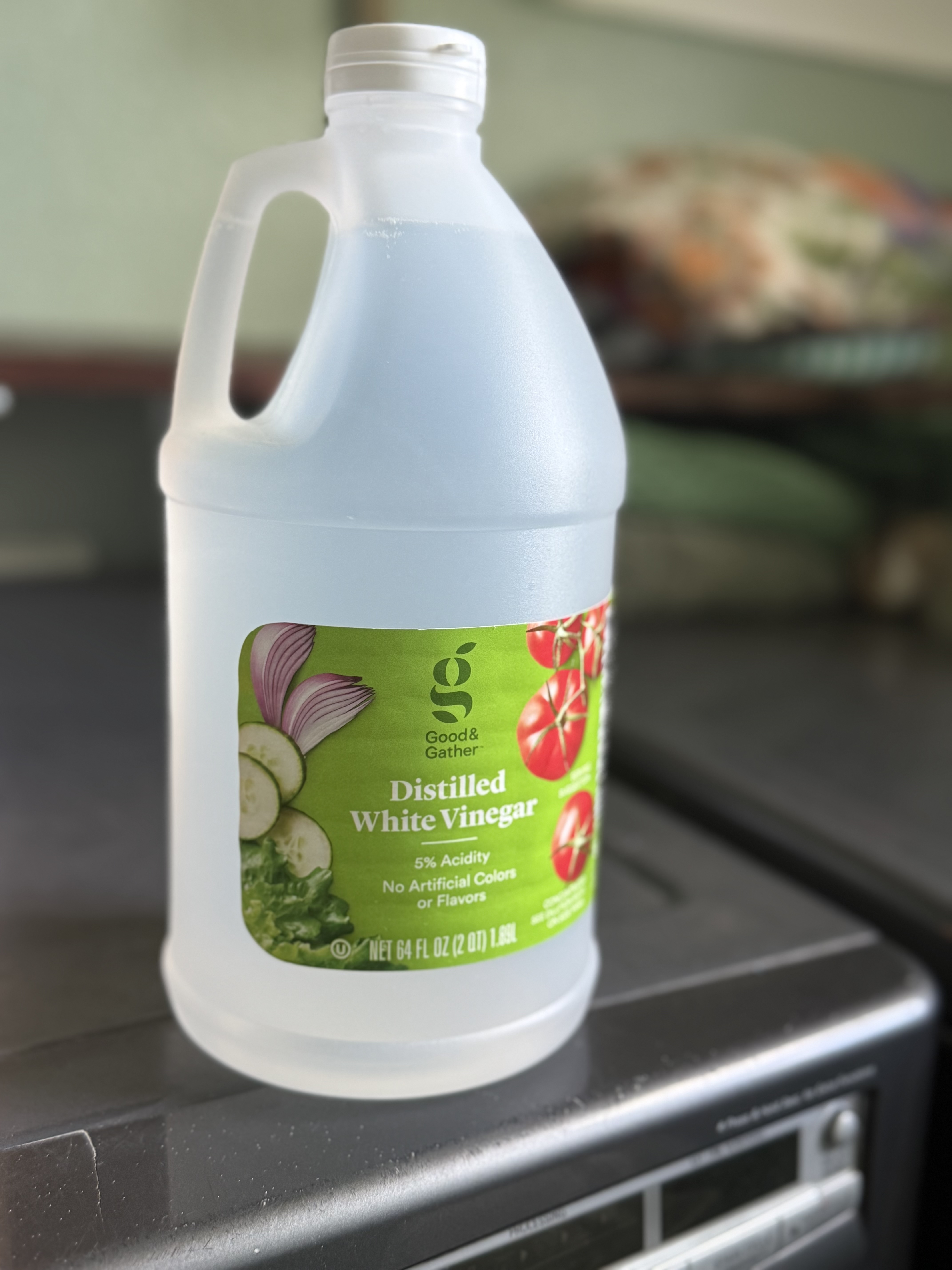
White vinegar is great for many household cleaning tasks, including laundry.
When added to the rinse cycle, white vinegar acts as a natural fabric softener, leaving clothes soft and static-free without the harsh chemicals found in commercial softeners.
Not to mention, white vinegar helps to remove odors and brighten whites.
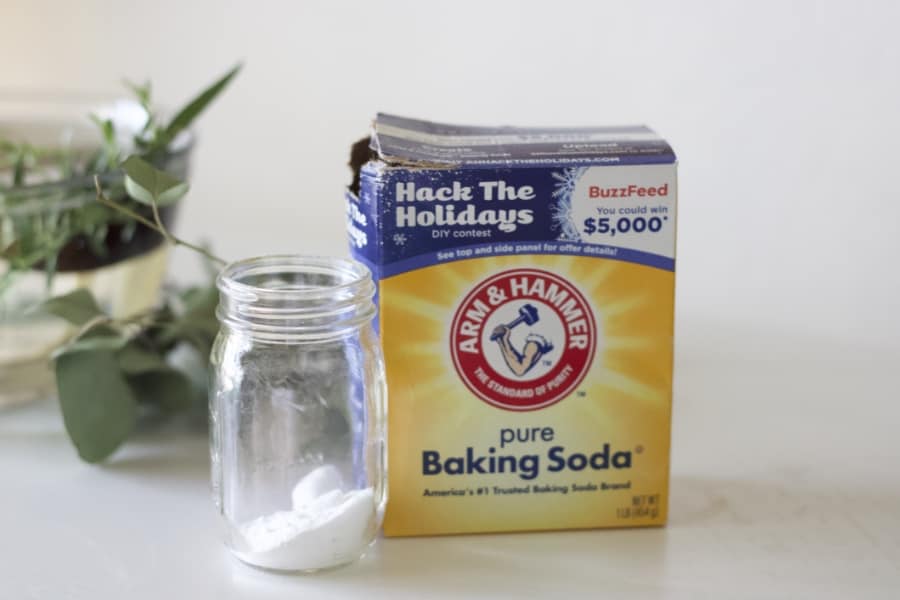
Baking soda can be used all kinds of ways to clean, including in the laundry as a fabric softener.
Simply add half a cup of baking soda to the wash cycle to soften clothes and neutralize odors.
Baking soda also helps to balance pH levels, reducing the buildup of soap residue that can make clothes feel stiff.
Choose Fragrance-Free Products
Even among fabric softeners labeled as “sensitive skin” or “hypoallergenic,” there may be hidden fragrances or fragrance-masking agents that can still cause skin reactions.
To minimize the risk of irritation, it is best to choose fragrance-free fabric softeners.
Benefits of Natural Alternatives
Going the natural way to soften your clothes is way better for you.
- Gentle on skin and the planet: Natural ingredients like baking soda and vinegar are much kinder to your body and the environment.
- Eco-friendly: They break down easily and don’t release harmful chemicals into rivers and oceans.
- Budget-friendly: Homemade fabric softeners using simple ingredients like vinegar or baking soda are cost-effective—just a little goes a long way.
Additional Tips for Safer Laundry
Aside from using natural alternatives, you can still get softer clothes without harmful chemicals by practicing the following:
Approximately 90% of the energy a washing machine uses goes towards heating the water
- Wash clothes in cold water whenever possible. Cold water helps to preserve the natural softness of fabrics. This also saves on electricity.
- Use fragrance-free and natural laundry detergent.
- Don’t overload the washing machine so that clothes have enough room to circulate and clean.
- Line-dry clothes whenever possible. Exposure to direct sunlight can help to naturally soften clothes and even remove odors.
Frequently Asked Questions
Yes, they can be, due to chemicals like phthalates, dyes, artificial fragrances, preservatives, and quats that affect our respiratory system, skin, and long-term health.
Yes, fabric softener can be toxic to animals so it’s best to keep these products out of their reach.
Yes, fabric softener can be harmful to washing machines as it can lead to build-up and damage over time, so regular cleaning and moderation are key.