Are Eco Friendly Cleaning Products Actually Better? Here’s The Truth

Look through any stores cleaning aisle and you’ll see shelves lined with products boasting “natural,” “eco-friendly,” and “non-toxic” labels.
We love using these types of products over conventional, more toxic options but even more love making our own at home.
However, many people want to know an important question: are eco-friendly cleaning products actually better than conventional cleaning products?
The answer isn’t as straightforward as you might expect. While eco-friendly cleaning products offer significant advantages in some areas, they can fall short in others.
But in this article, we break it all down clearly so you can finally see the full picture.
We are reader-supported. So some links in this post may be affiliate links, which means we may earn a small commission if you make a purchase. Learn more
What’s An Eco-Friendly Cleaning Product?
There are a few main characteristics a ‘Green’ cleaning product usually has, such as:
- Plant-based ingredients instead of synthetic chemicals derived from petroleum.
- Biodegradable formulas that break down naturally without harming the environment.
- Minimal packaging or packaging made from recycled and recyclable materials.
- Absence of harmful chemicals like phosphates, chlorine bleach, ammonia, and artificial fragrances.
- Cruelty-free testing methods that don’t involve animal testing.
What Are The Benefits?
The Environmental Impact
When it comes to environmental impact, eco-friendly cleaning products are almost always better than the usual conventional cleaners.
Traditional cleaning products usually contain chemicals that can persist in the environment long after they’ve gone down your drain.
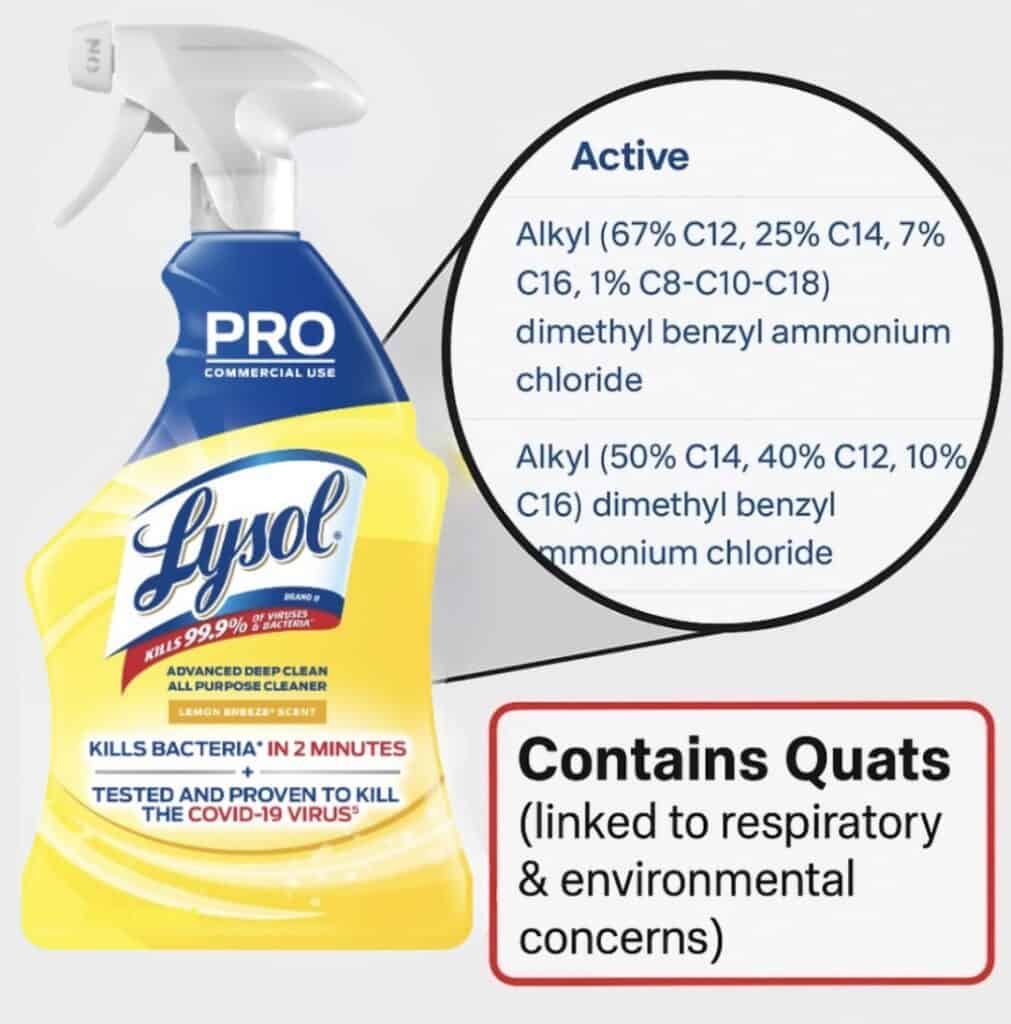
Here are the main benefits for the environment:
- Water quality benefits from eco-friendly alternatives that use biodegradable, plant-based surfactants instead of phosphates, which can cause harmful algae blooms in waterways.
- Air quality in your home is far better with green products that contain minimal or no VOCs, unlike traditional cleaners that release volatile compounds contributing to indoor air pollution.
- Packaging is becoming more sustainable, with many brands offering concentrated formulas, refillable containers, and recycled materials to reduce waste.
“Overall, our analysis suggests that the use of “green” cleaning products, especially fragrance-free products, may reduce exposure to VOC emissions.”
–Chemosphere (2023)
Health Benefits
One of the strongest selling points for eco-friendly cleaning products is their potential health benefits, particularly for people with sensitivities, allergies, or respiratory conditions.
- Reduced chemical exposure is a legitimate advantage, as eco-friendly products typically avoid harsh chemicals like ammonia, chlorine bleach, and synthetic fragrances that can cause skin and respiratory irritation.
- Safer for children and pets due to gentler ingredients that pose less risk if accidentally ingested or if residues remain on surfaces.
- “Natural” doesn’t always mean “safe” – some plant-based ingredients and essential oils can still cause allergic reactions or skin sensitivities.
When choosing non-toxic cleaners, check the bottle for trusted certifications like EPA Safer Choice, EcoLogo, or USDA Certified Biobased Product. These labels PROVE the product is safer — aside from just marketing claims.
Cleaning Effectiveness: The Mixed Results
Here’s where the comparison becomes more nuanced.
The effectiveness of eco-friendly cleaning products (which we dive deep into in another article) has improved dramatically over the past decade, but there are still some areas where conventional products maintain an edge.
For everyday cleaning, most eco-friendly products perform just fine (even homemade ones!)
They can effectively remove dirt, grease, and grime from most surfaces and can disinfect as well.
Cost Comparison: Investment vs. Savings
So, what’s the cost of these products compared to conventional cleaners?
- Upfront costs for eco-friendly products are typically higher. A bottle of green all-purpose cleaner might cost 20-50% more than a conventional equivalent.
- Long-term savings: Some people find they need fewer different products since many eco-friendly cleaners are multipurpose.
- DIY alternatives become more accessible when you’re already committed to natural cleaning. Simple ingredients like vinegar, baking soda, and castile soap can create effective, inexpensive cleaning solutions (which we can vouch for from our own experience).
Eco-friendly cleaning products are better for the environment, helping protect water and air quality while reducing waste through sustainable packaging. They also lower chemical exposure, making them safer overall but natural ingredients can still trigger reactions. Most green cleaners work well for everyday messes, but won’t be as tough on heavy duty jobs. While they usually cost 20–50% more upfront, their multipurpose use and DIY alternatives make them cost-effective over time.
Product Example: Seventh Generation Multi-Surface Cleaner
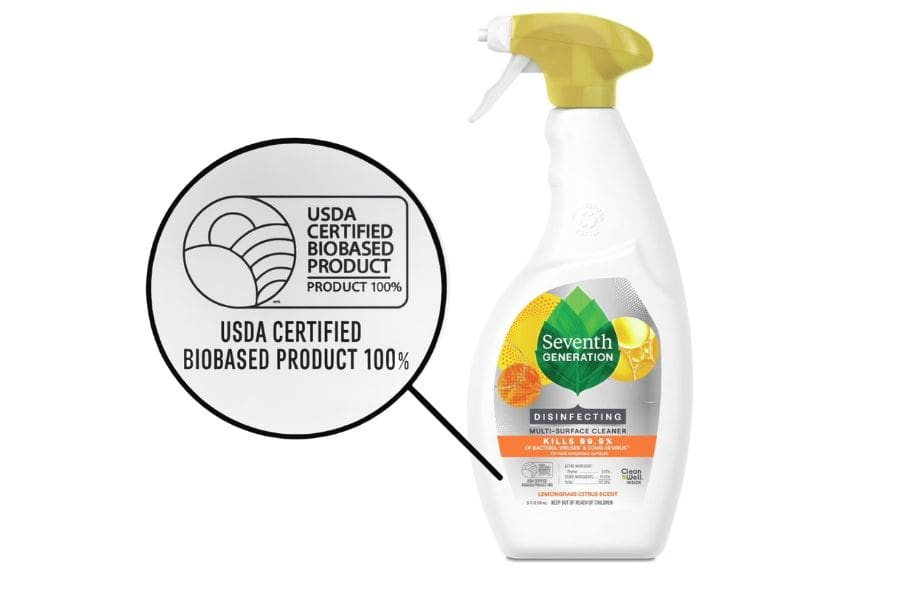
- What makes it eco-friendly: Plant-based formula, biodegradable ingredients, no synthetic fragrances or dyes, recyclable packaging made from 100% recycled plastic.
- Performance: Effectively cleans countertops, appliances, and most hard surfaces. Works well on everyday spills and fingerprints, though may require more elbow grease on stubborn, baked-on messes.
- Cost: $4 for a 26 fl oz bottle (15 cents/oz) , making it about 15-20% more expensive than conventional alternatives (it’s Lysol counterpart is about 20% cheaper at 12.5 cents/oz)
- Downsides: Costs about 15–20% more per ounce and might not be as effective against heavy grease or baked-on messes.
Heavy-duty cleaning like stains, mold and mildew, or sanitizing during illness will probably be better suited with a stronger cleaner.
Antibacterial properties vary widely among eco-friendly cleaners. While some contain effective natural antimicrobials like thymol or citric acid, others focus primarily on cleaning rather than disinfecting. During flu season or when dealing with foodborne pathogens, conventional disinfectants may be more reliable.
If you regularly shop for cleaner products — from household cleaners to everyday groceries — then consider Thrive Market, which charges a small membership fee but can save you a significant amount in the long run if you buy these kinds of products often.
The Final Verdict
So, are eco-friendly cleaning products really better?
Overall, green cleaning products come out ahead, but conventional cleaners can still be practical in certain situations where the benefits outweigh the risks.
Choose eco-friendly products if you prioritize:
- Environmental protection and sustainability
- Reducing chemical exposure for your family
- Supporting companies with environmentally conscious practices
- Improving indoor air quality
- Having multipurpose products that reduce clutter
Conventional products might be better if you:
- Need maximum antimicrobial effectiveness for medical reasons
- Deal with extremely challenging cleaning situations regularly
- Are working with a tight budget
- Live in an area where eco-friendly options are limited