The 7 Best Essential Oils For Cleaning: That Actually Work!


Essential oils are a great natural addition to help bolster any DIY cleaners effectiveness against microbes.
Like any cleaning approach, incorporating essential oils effectively into your routine comes with both benefits and considerations.
Let’s explore everything you need to know about using essential oils as cleaning aids in your home!
Why Use Essential Oils for Cleaning?
Benefits
Essential oils have been used for thousands and thousands of years. Whether it be for their aromatherapeutic or pharmaceutical properties EO have proven extremely useful.
Here are just some of the benefits of using EO:
- Antimicrobial Properties: Many essential oils contain natural compounds that can help eliminate bacteria, viruses, and fungi.
- Tea tree oil, for example, contains terpinen-4-ol, which demonstrated antimicrobial effects in various studies.
- Aromatherapy: Unlike harsh chemical cleaners that can leave overwhelming odors (and leave you with a headache), essential oils provide natural, therapeutic fragrances.
- Reduced Chemical Exposure: EO’s are a great substitute for cleaners made with synthetic chemicals
- Cost-Effective: A few drops go a long way!!
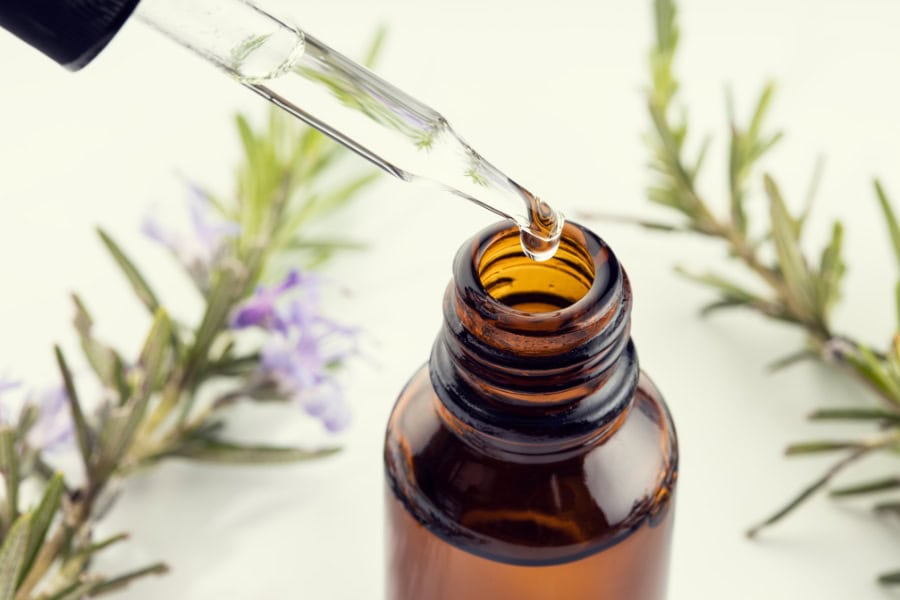
The Best Essential Oils for Cleaning
- Tea Tree Oil: We all know and love tea tree oil! It has strong antimicrobial and antifungal properties and is perfect for bathroom cleaning and mold prevention.
- Lemon Oil: Lemon oil is perfect for kitchen cleaning and removing sticky residues as it is a natural degreaser.
- Lavender Oil: Lavender oil has antimicrobial properties and is gentler for those who are sensitive.
- Peppermint Oil: Great for repelling insects (our biggest use for peppermint) while providing a fresh, clean scent.
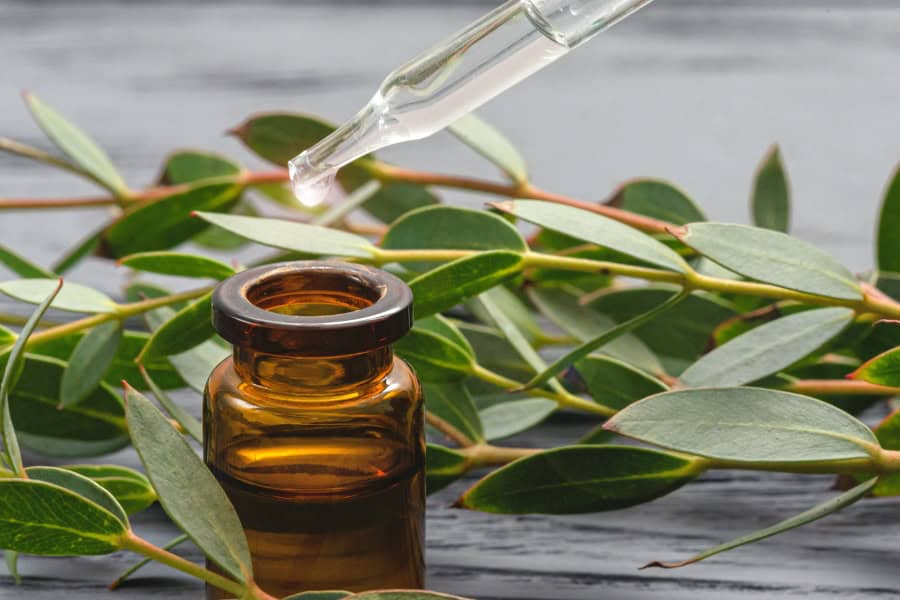
- Eucalyptus Oil: Known for its strong antimicrobial properties and ability to cut through grease and grime.
- Orange Oil: Great for removing adhesive residues and I mean who doesn’t love the smell of orange?
- Rosemary Oil: Contains natural antioxidants and antimicrobial compounds which makes it perfect for kitchen cleaning.
Ready-to-Use Essential Oil Cleaning Blends
Vinegar is going to be the best all natural cleaner.
However, be sure you are using vinegar correctly to ensure you are actually disinfecting.
Cleaning properly with vinegar involves using 30% vinegar (which you should always handle carefully, as it is potent) instead of basic 5% vinegar you would find at the store.
All-Purpose Surface Cleaner
- 1/3 cup 30% cleaning vinegar
- 2/3 cup water
- 10 drops lemon essential oil
- 5 drops tea tree oil
- 3 drops lavender oil
- Optional: 1/2 tablespoon citric acid for enhanced disinfection
Mix in a spray bottle. Let sit 5 minutes before wiping for disinfection. Avoid natural stone surfaces.
Bathroom Mold Prevention Spray
- 1/2 cup 30% cleaning vinegar
- 1 cup water
- 1 tablespoon citric acid (recommended for mold prevention)
- 15 drops tea tree oil
- 5 drops eucalyptus oil
Mix well until citric acid dissolves. Spray on shower walls and curtains after use. Allow 5 minutes contact time.
Kitchen Degreaser
- 1/3 cup 30% cleaning vinegar
- 2/3 cup water
- 1 tablespoon dish soap
- 10 drops lemon oil
- 5 drops peppermint oil
The dish soap provides degreasing action while the 10% vinegar concentration provides antimicrobial benefits.
Glass and Mirror Cleaner
- 1/4 cup 30% cleaning vinegar
- 1/2 cup water
- 10 drops lemon oil
⚠️ Important Safety Note to Add: Always wear gloves and ensure good ventilation when working with 30% vinegar. Shake well before each use and store labeled bottles away from children and pets.
Want more cleaning recipes? Check out our post with all the natural cleaning recipes you need.
Safety Guidelines and Best Practices
- Always Dilute: Never use essential oils undiluted on surfaces or skin.
- Pet Safety: Keep pets away from freshly cleaned surfaces until completely dry, and avoid using essential oils toxic to animals (like tea tree, eucalyptus, and citrus oils around cats).
- Test First: Always test on an inconspicuous area before using on new surfaces.
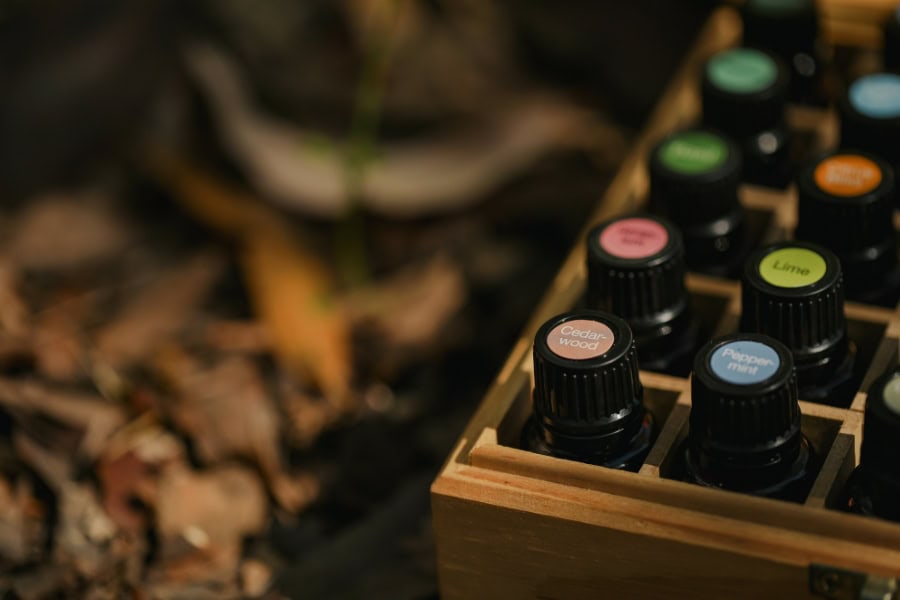
- Proper Storage: Keep essential oils away from children and pets in dark, cool places.
- Quality Matters: Purchase high-quality, pure essential oils from reputable sources.
- Ventilation: Ensure good air circulation when using essential oil cleaners.
- Read Labels: Research each oil’s specific safety considerations and contraindications.
Potential Problems and Limitations
While essential oils offer many benefits, it’s crucial to understand their limitations.
First things first remember there’s a difference between “cleaner” and “disinfectant”.
Essential oils can enhance your cleaning routine with their potential antimicrobial properties, but they’re not effective cleaners or disinfectants on their own.
If you’re curious about how natural options stack up overall, we dive deeper into the question of do natural cleaners really work in another article.
For actual cleaning, you need proper cleaning agents, and for disinfecting, it’s better to use proven disinfectant substances like vinegar or EPA-registered products.
- Not EPA-Registered Disinfectants: Unlike commercial disinfectants, essential oils are not registered by the EPA as disinfectants.
- In short, EO’s may have antimicrobial properties, they shouldn’t be relied upon for killing specific pathogens like COVID-19 or other serious infectious agents.
- Skin and Respiratory Sensitivity: Just like with any substance, some people may experience allergic reactions, skin irritation, or respiratory issues when exposed to certain essential oils, especially in concentrated forms. Always pay attention to how you feel and any symptoms you experience when using certain essential oils.
- Pet Safety Concerns: Many essential oils can be toxic to pets, particularly cats and birds. Always research pet safety before using any essential oil in your home.
- Surface Compatibility: Some essential oils may damage certain surfaces, finishes, or materials, particularly when used undiluted.
Take into consideration when using EO’s that they are natural but they are also CONCENTRATED, meaning they pack a powerful punch in just a few drops
Comment and let us know how you use essential oils to freshen up and clean your home!!🤍