Explained: What is GOTS certified?

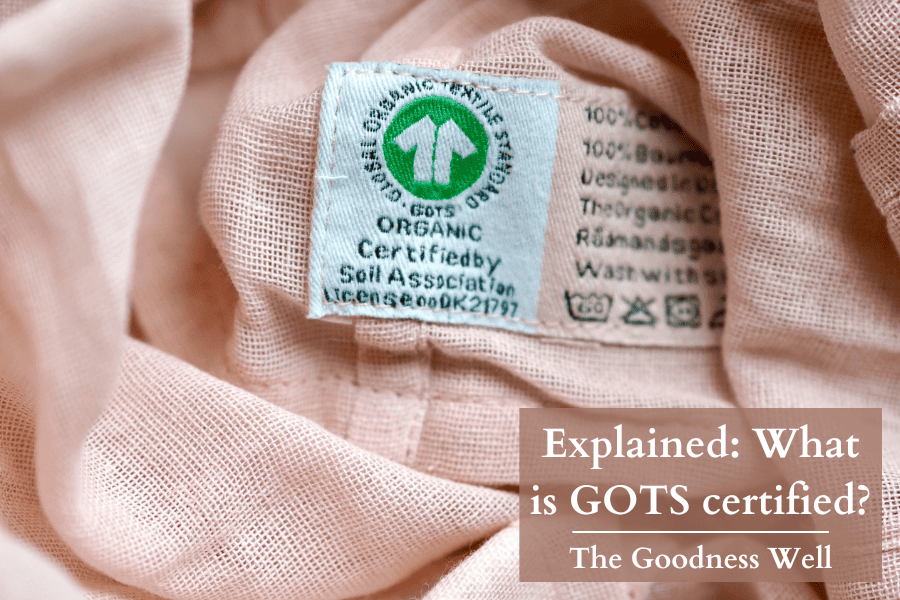
If you’ve ever seen a product labeled “GOTS Certified” and wondered what that actually means, you’re not alone.
Understanding what it covers, and what it doesn’t, can help you make more confident, informed choices.
Certifications have become a helpful way to understand how fabrics are actually made and to weed out greenwashed products or labels that can be confusing.
Lets take a look at what GOTS certified is.
GOTS Certified means a textile meets the Global Organic Textile Standard for organic materials, safer chemical processing, and responsible manufacturing.
It applies to the entire supply chain—from organic fiber sourcing to how the fabric is processed and labeled—not just the final product.
For consumers, it’s a reliable way to identify textiles that prioritize lower chemical exposure, environmental care, and basic labor protections.
What Does “GOTS Certified” Actually Mean?
GOTS Certified means a textile meets strict standards for organic materials, safer chemical processing, and responsible manufacturing across its supply chain.
It’s not just about how a product looks or feels, it’s about how the fabric was grown, processed, and handled before it reached you.
Global Organic Textile Standard (GOTS) is considered one of the most reliable textile certifications because it looks beyond the final product label and evaluates what happens behind the scenes.
Something important to note is that, GOTS certification applies to textiles made with organic fibers, not to synthetic fabrics or even products that are only partially organic.
What GOTS Covers: From Farm to Finished Fabric
GOTS takes a “whole process” approach, meaning it follows a textile through every major stage:
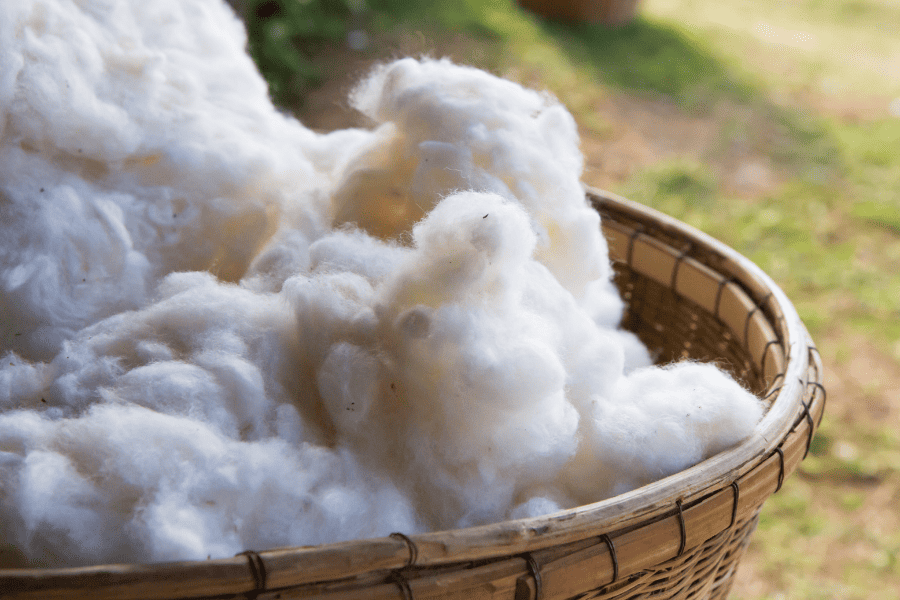
→ Organic fiber sourcing (such as cotton or wool grown to organic standards)
→ Processing and manufacturing (including dyeing and finishing)
→ Clear labeling so consumers know what they’re buying
This helps make sure that the textile isn’t just organic at the farm level but is also processed in a way that aligns with environmental and safety standards.

Why GOTS Matters for Health & Chemical Exposure
Textiles are one of the few products we’re in direct contact with for hours every day, which means how they’re made matters.
Clothing, bedding, and towels can carry residues from dyes, finishes, and processing chemicals used during manufacturing.
GOTS helps reduce this concern by setting clear limits on what chemicals are allowed during textile production.
GOTS places strict limits on many commonly used textile chemicals, including those used to:
- Dye and color fabrics
- Prevent wrinkling or shrinking
- Create stain- or odor-resistant finishes
These restrictions don’t mean a textile is “chemical-free,” but they do help reduce exposure to harsher substances often found in conventional fabrics.
Some textile chemicals don’t fully wash out and can remain on fabric surfaces, especially in items used daily like sheets or clothing.

GOTS certification is often prioritized for:
- Baby clothing and blankets
- Bedding and sleepwear
- Undergarments and towels
Many conventional textiles are treated with chemical finishes to improve softness, colorfastness, or durability before they reach store shelves.
Environmental & Ethical Standards Behind GOTS
GOTS certification isn’t only about the finished fabric—it also sets expectations for how textiles are made and who is affected along the way.
This includes environmental safeguards during manufacturing and basic protections for workers involved in the supply chain.
While GOTS isn’t a full labor certification, it does set minimum expectations across the supply chain.
GOTS includes baseline social criteria to help protect workers involved in textile production. These requirements generally address:
- Safe working conditions
- Fair treatment and basic labor rights
- Restrictions on exploitative labor practices
GOTS vs Other Textile Labels (Quick Comparison)
Textile labels can look similar at first glance, but they often mean very different things.
Understanding how GOTS compares to other common labels can help you avoid confusion and make more informed choices.
GOTS vs “Organic Cotton”
“Organic cotton” usually refers only to how the cotton was grown, not how it was turned into fabric.
GOTS goes further by evaluating what happens after the cotton leaves the farm.
GOTS vs OEKO-TEX® Standard 100
OEKO-TEX® Standard 100 focuses on testing the final product for harmful substances. While OEKO-TEX tests finished textiles for chemical residues, it doesn’t require organic fibers.
If a product carries both GOTS and OEKO-TEX certifications, it offers stronger reassurance across sourcing, processing, and finished-product safety.

GOTS stands out by addressing organic materials, processing standards, and manufacturing practices, not just the final fabric.
GOTS Certified textiles offer a clear, trusted way to identify fabrics made with organic fibers and more responsible processing standards. While no certification is perfect, GOTS can help consumers make more informed, thoughtful choices for the items they use and touch every day.