What Is MADE SAFE Certified? (What the Label Means)

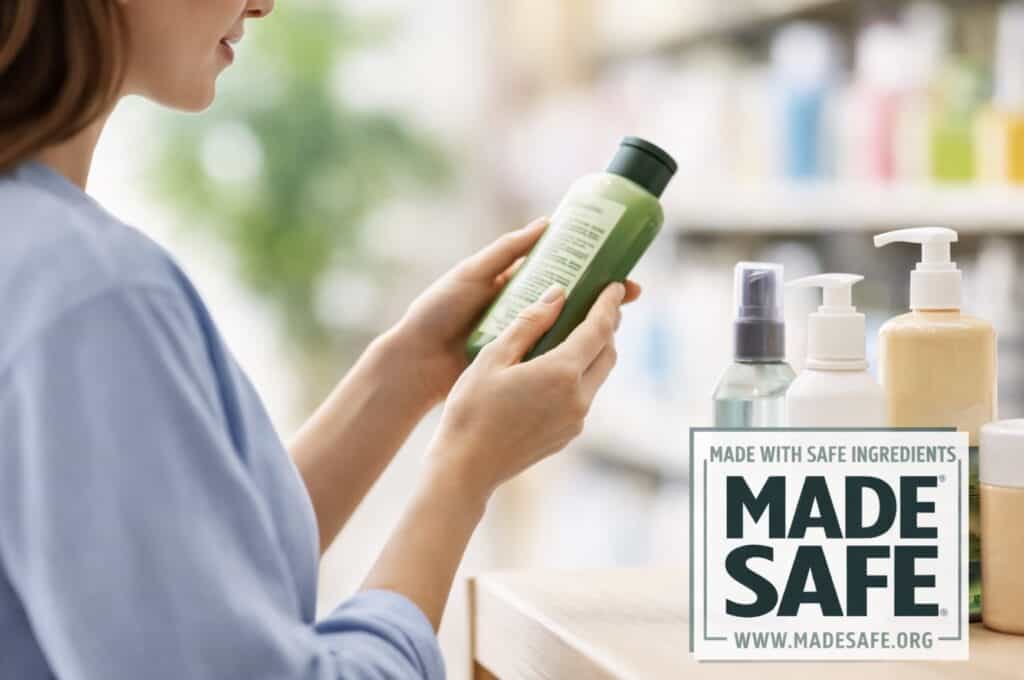
Store shelves are full of labels like “clean,” “natural,” and “non-toxic,” but those words are often vague and hard to verify.
That’s why many people look for third-party certifications, especially when it comes to everyday items used on skin or around the home.
As the NIH notes, common household products and materials can contain substances people may be exposed to at low levels over time, which is one reason clearer product standards matter (NIH News in Health).
This article explains what MADE SAFE Certified means, what it does and does not promise, and how to use the label to make calmer, more confident choices.
MADE SAFE Certified means a product’s ingredients have been screened against safety-focused criteria.
It helps you quickly identify items designed to avoid toxic ingredients without decoding every label. It’s a helpful filter for everyday shopping, not a promise that one product fits everyone.
What “MADE SAFE Certified” Means
MADE SAFE Certified is a third-party certification that signals a product’s ingredients (or materials) have been reviewed against a set of hazard-based criteria for people and the environment.
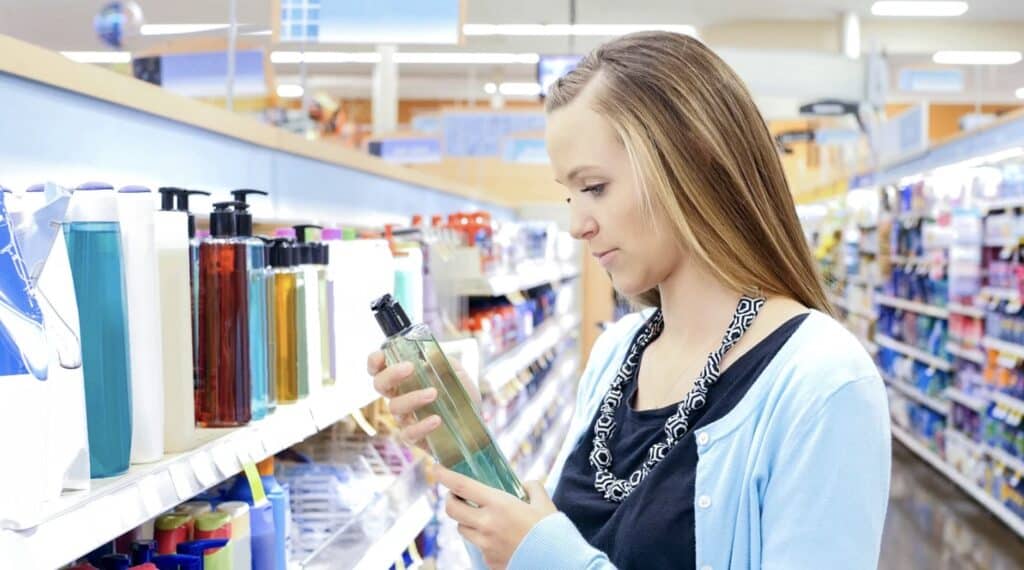
You’ll most often see MADE SAFE Certified on products like:
- Shampoo + conditioner
- Soap + body wash
- Deodorant
- Lotion + skincare
- Baby products (washes, lotions, diaper creams)
- Laundry detergent
- Dish soap
- Household cleaners (sprays, multi-surface cleaners)
In plain terms, the label is meant to answer a simple question: Has this product been screened to avoid ingredients that might be toxic?
What the seal generally tells you:
- Ingredient screening happened. The brand submitted information about what’s in the product (and, when relevant, what it’s made from) for evaluation.
- It’s checked against a defined standard. The certification relies on program criteria and a list of substances it restricts or prohibits.
- It’s designed for everyday decisions. You’ll most often see it on personal care, household, and baby-related products where people want clearer ingredient standards.
When you’re short on time, use the seal to quickly shortlist products, then compare scent, feel, and price.
What it does not automatically tell you (yet):
- It doesn’t claim a product is “perfect” or “risk-free for everyone.”
- It doesn’t replace basic fit-for-you factors like scent sensitivity, texture preferences, or how often you’ll use the item.
How MADE SAFE Certification Works, at a Consumer Level
At a high level, MADE SAFE certification is a screening and verification process.
A brand shares detailed information about what’s in a product (and, in some cases, what it’s made from), and MADE SAFE reviews it against their standard.
Certifications measure specific things, so one seal won’t automatically cover every value like plastic-free or organic. For example, OEKO-TEX® Certified focuses specifically on chemical safety testing in finished textiles like clothing and bedding
What that looks like in simple terms:
- The brand submits ingredient and material details for the specific product.
- MADE SAFE screens those details against their criteria for substances they prohibit or restrict.
- Products that meet the standard can use the MADE SAFE seal, so shoppers can quickly identify items that passed that screening.
This matters most for products you use often or keep close to the body or home environment, because those are the items you typically repurchase and rely on day-to-day.
What the Banned/Restricted List is (and why it matters)
Think of the Banned/Restricted List as a clear “no” and “limit” reference that guides the screening process.
In practice, it helps ensure the certification isn’t based on vague marketing language. Instead, it’s tied to:
- Defined substance categories
- Specific ingredients/materials that are restricted or prohibited
- Consistent rules that apply across products reviewed under the program
What the seal can help you avoid in everyday products
The seal is most useful as a quick filter for common “higher concern” ingredient types that show up in many household and personal care items.
Examples of categories the screening may help you steer away from (depending on the product):
- Certain fragrance-related ingredients in scented products
- Harsh solvents or VOC-linked ingredients often found in some cleaners or sprays
- Specific preservatives, dyes, or additives that don’t meet the program’s criteria
Key Takeaway: You don’t need to memorize chemical names to use the certification. The seal is meant to do the heavy lifting of ingredient screening so you can focus on choosing what fits your home.
How to Use the MADE SAFE Label in Real Life (and Where People Misread It)

At The Goodness Well, we treat certifications as a shortcut to clarity, not a substitute for reading labels and using common sense.
A practical way to shop with the seal (3 quick decision checks)
Use the MADE SAFE seal as a filter, then make a final choice based on how the product fits your home.
- Check 1: Start with it when you want fewer guesses. If you’re overwhelmed by ingredient lists, the seal helps you narrow options fast.
- Check 2: Match it to your use-case. The seal matters more for items with daily contact (skin, kids’ products, items used in small rooms) than for something you use once a year.
- Check 3: Compare “like with like.” Use it to choose between similar products in the same category, not to rank totally different items.
Prioritize the seal for items you use daily or keep close to the body, then decide based on what works in your home.
Limitations, tradeoffs, and common misunderstandings
The label is helpful, but it’s easy to overread it.
- “Certified” doesn’t mean “risk-free for everyone.” People can still react to ingredients that are allowed, especially with sensitivities.
- It doesn’t automatically mean “organic,” “plastic-free,” or “zero impact.” Those are different standards that measure different things.
- A non-certified product isn’t automatically “bad.” Some brands don’t pursue certification because of cost, timing, or because only certain products in their line are submitted.
- Tradeoff: Certified options can be more expensive or harder to find. It often makes the most sense to prioritize it for items you use frequently.
REAL-LIFE EXAMPLE
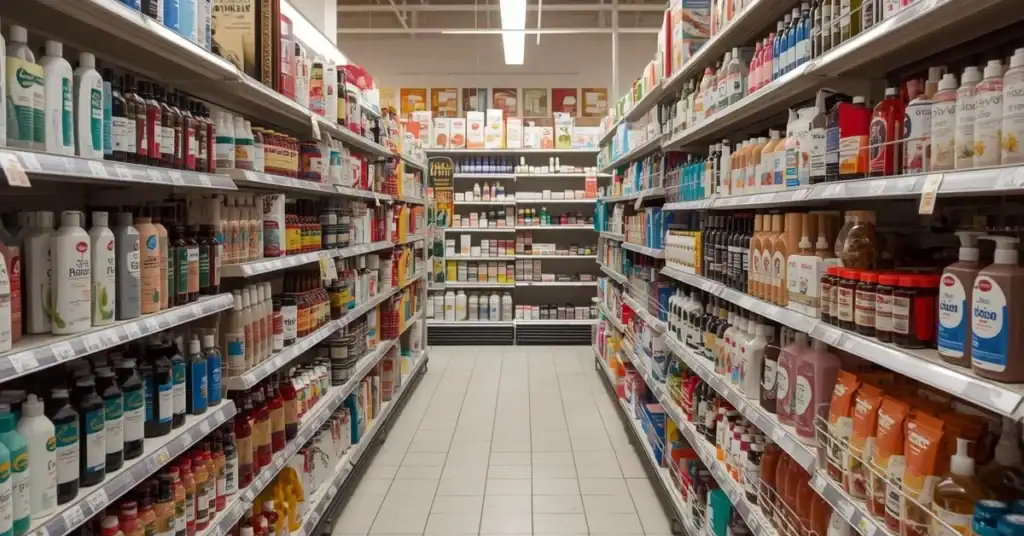
A family is choosing a hand soap they’ll use multiple times a day. The two options appear similar, but only one is MADE SAFE Certified. They pick the certified one for daily use, then focus on basics like scent comfort and how it works at the sink.
Conclusion
MADE SAFE Certified is a simple way to spot products that have been screened against a clear set of safety-focused criteria, without having to decode every ingredient list yourself.
It’s not a guarantee that a product will be perfect for every person or every home, but it can make day-to-day shopping feel less like guesswork.
If you use the seal as a smart filter, then choose based on your family’s needs and how you’ll actually use the product, you’re already making a practical, steady move toward a safer routine.