What Is Rainforest Alliance Certified?

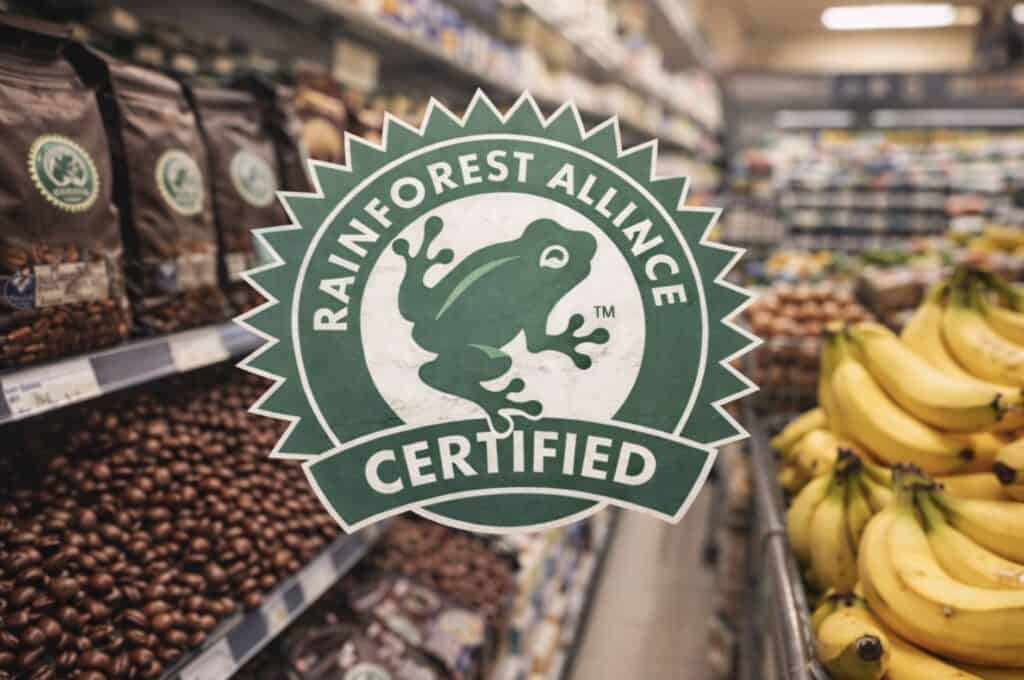
Rainforest Alliance Certified is a sustainability label most often found on everyday foods like coffee, tea, chocolate, bananas, and other agricultural products.
The green frog seal is designed to signal that ingredients were sourced from farms or forests that follow environmental and worker-protection standards.
This guide explains what the certification actually means — and what it does not mean — in plain English.
Rainforest Alliance Certified means a product’s agricultural ingredients were sourced from farms or forests that meet sustainability and labor standards.
It mainly applies to how crops are grown and harvested — not whether a food is organic, pesticide-free, or healthier.
Use it as a sourcing signal, not a full product safety guarantee.
What “Rainforest Alliance Certified” Means (in plain English)
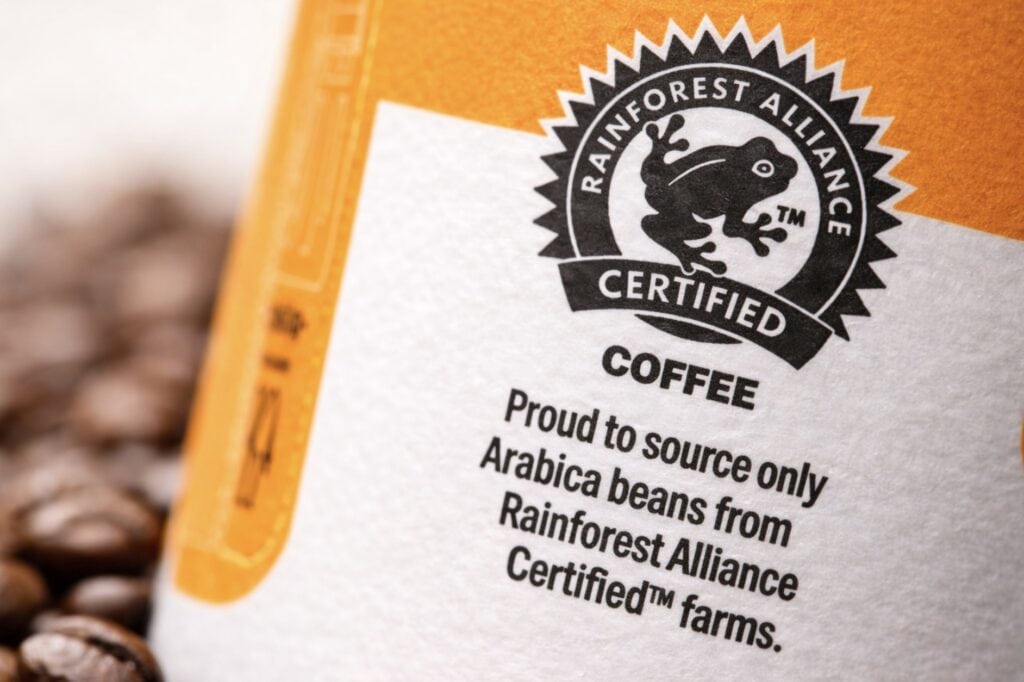
Rainforest Alliance Certified is a farm-level sustainability certification.
It focuses on improving how agricultural products are produced by encouraging:
- Protection of forests and wildlife habitat
- Responsible land and water use
- Reduced environmental impact from farming
- Safer working conditions for farmers and workers
In simple terms:
The seal tells you where and how an ingredient was grown, not how the final product tastes, processes, or performs.
What the Certification Actually Covers
Rainforest Alliance standards focus on the beginning of the supply chain — where crops are grown.
This includes practices such as:
- Preventing deforestation
- Protecting biodiversity and ecosystems
- Improving soil and water management
- Supporting climate-resilient farming practices
- Establishing labor protections and oversight
Products Commonly Covered
You’ll most often see the Rainforest Alliance frog seal on:
- Coffee
- Tea
- Cocoa and chocolate
- Bananas and tropical fruit
- Palm oil
- Vanilla
- Nuts and spices
- Flowers and some paper products
The certification applies to agricultural commodities, meaning raw ingredients that originate on farms.
Key Takeaway: Rainforest Alliance Certified is strongest when viewed as a sustainable sourcing certification.
What Rainforest Alliance Certified Does NOT Guarantee
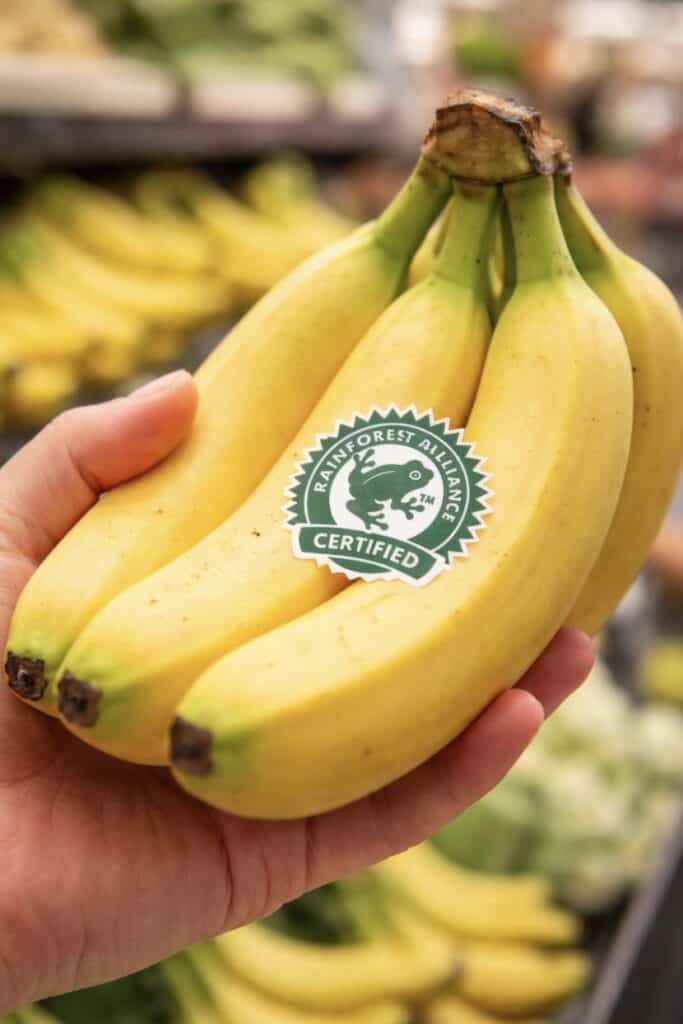
The seal is helpful, but commonly misunderstood.
It does not automatically mean a product is:
- Organic
- Pesticide-free
- Chemical-free
- Healthier or more nutritious
- Minimally processed
A chocolate bar or coffee can still be highly processed even if its ingredients came from certified farms.
Rainforest Alliance vs Organic
These certifications serve different purposes.
- Rainforest Alliance Certified → focuses on environmental stewardship and worker conditions
- Organic certification → restricts certain pesticides and farming inputs
Some products carry both labels, but one does not replace the other.
How to Use the Label When Shopping
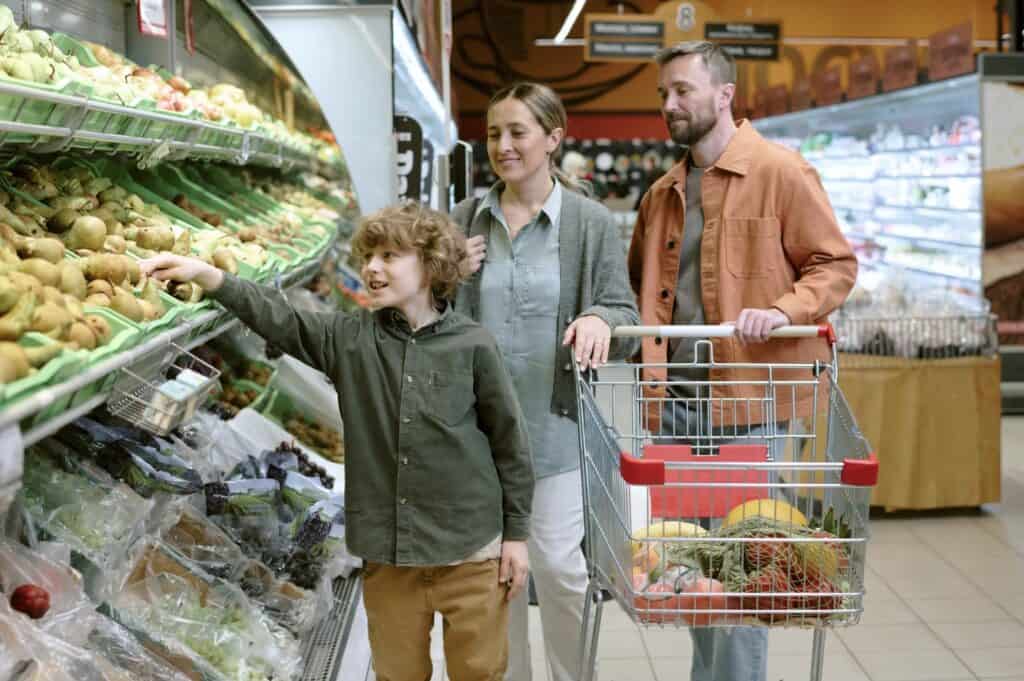
Rainforest Alliance Certified works best as a values-based sourcing shortcut.
It’s most useful when:
- Buying frequently consumed foods like coffee or chocolate
- Choosing between similar products at the same price
- Wanting stronger sustainability backing than vague “eco-friendly” claims
A practical approach:
✅ Use the seal as a positive sourcing signal
✅ Then still check ingredients, processing, or nutrition based on your goals
Conclusion
Rainforest Alliance Certified is a meaningful sustainability label that focuses on how agricultural ingredients are grown and sourced.
It helps support better farming practices and worker protections across global supply chains.
The most accurate way to use the seal is as a starting point, not a final judgment about health, processing, or product quality.
And while this certification is most commonly seen on foods and agricultural products, understanding sourcing certifications like this helps shoppers better interpret sustainability claims across many industries including home goods and furniture materials.