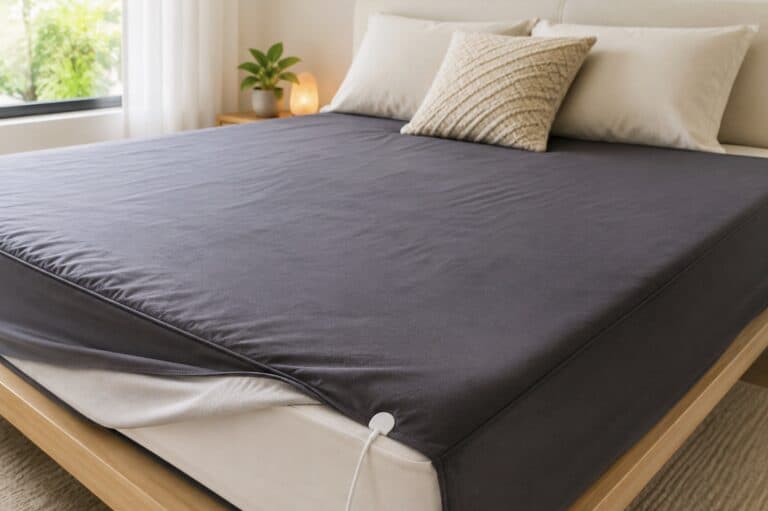
Fiberglass in Mattresses: Is It Safe?

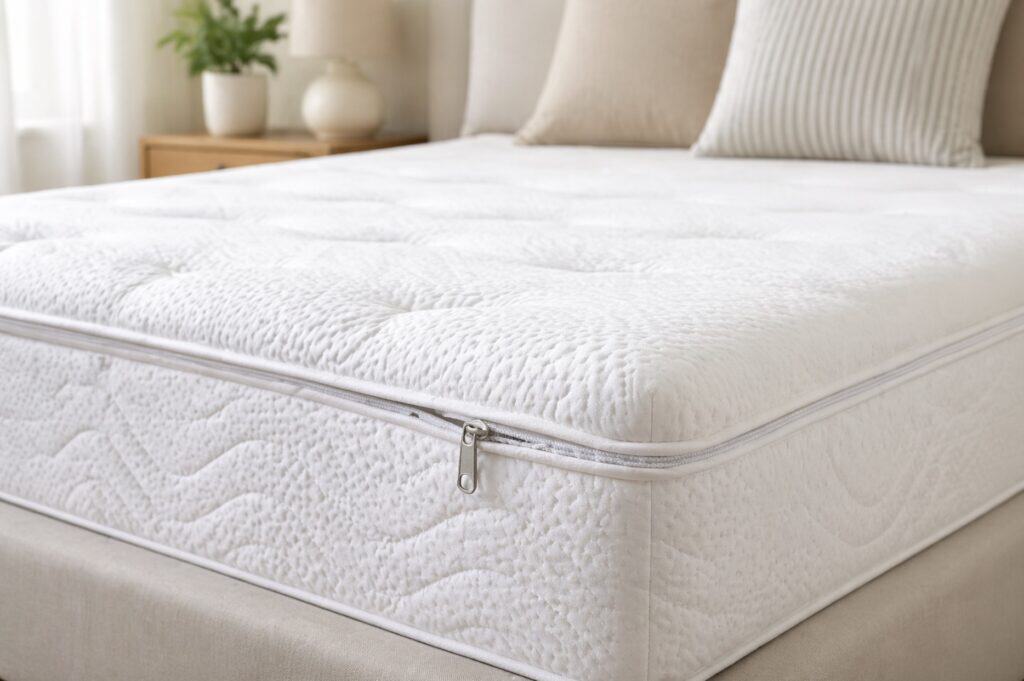
Fiberglass in mattresses is a concern because it is often used as a hidden flame barrier in lower-cost beds. Problems usually begin when those fibers escape the mattress cover.
In a home setting, that matters because indoor pollutants and particles released from materials can affect the air people breathe, as the EPA explains in its guide to indoor air quality.
If a fiberglass-containing mattress stays fully intact, the risk is much lower, but once the cover is removed, torn, or shedding, the issue can turn from a labeling detail into a real cleanup and irritation problem.
This article walks through what fiberglass in mattresses actually means, when to worry, and how to make a safer choice next time.
Fiberglass in mattresses is safe when sealed inside, but harmful if it escapes.
It is a fine glass fiber layer used as a fire barrier. Problems happen when the cover is removed or torn, allowing fibers to spread into the air and onto surfaces, where they can irritate skin, lungs, and be difficult to clean.
Is Fiberglass in Mattresses Safe?
Fiberglass in a mattress is usually a fire barrier, not a comfort material.
When it stays sealed inside the mattress, the risk is much lower. The bigger problem starts when fiberglass gets out of the cover and spreads into the room.
Fiberglass becomes a bigger issue when tiny fibers escape the mattress cover and spread onto surfaces or into the air.
So the direct answer is: fiberglass in mattresses is not a good feature, but it is mostly a containment problem, not an automatic emergency.
An intact mattress is very different from a torn, unzipped, or damaged one.
Why is it discussed in health research at all?
- Loose fiberglass can irritate the skin and eyes.
- Airborne fibers can also irritate the upper airways after release.
- Research on mattress covers has focused on what happens after fibers escape, not on simply sleeping on an intact bed.
Key Takeaway: The main safety issue is not fiberglass alone. It is whether the material stays contained.
That is why people often do not notice a problem until they remove a cover, wash it, or find damage along a zipper or seam.
This matters more for:
- low-cost mattresses that use fiberglass as a hidden flame barrier
- mattresses with removable-looking covers
- older or damaged mattresses
- homes with children or pets, where covers and seams get more wear
This section is not about cleanup or shopping yet. The key point here is the verdict: fiberglass is not a material most shoppers actively look for, and it becomes a real concern when the barrier fails.
Why Mattresses Use Fiberglass
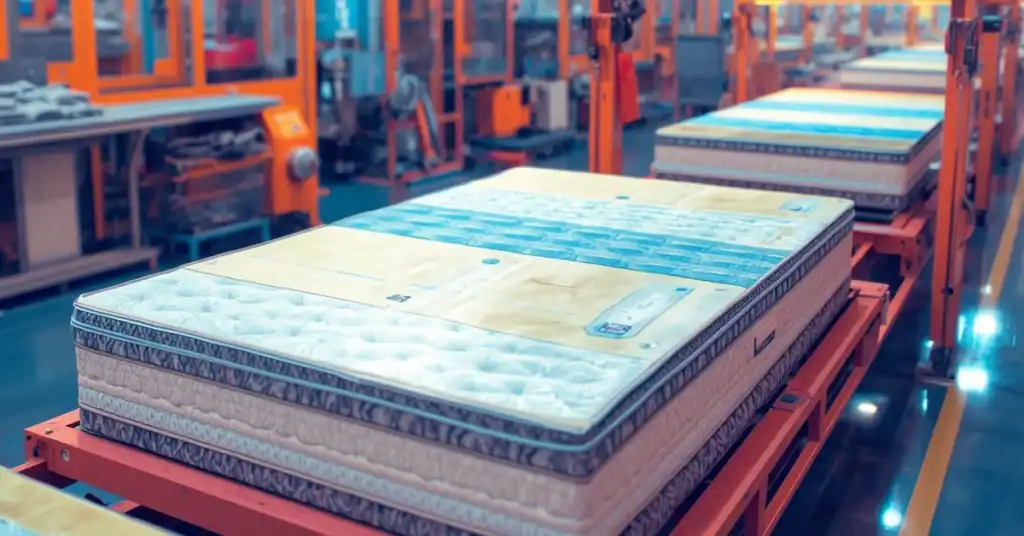
Mattresses use fiberglass for one main reason: fire resistance. It acts as a flame barrier layer that helps a mattress meet federal flammability rules.
Many shoppers never realize a mattress contains fiberglass because it is often hidden under the outer cover.
The U.S. Consumer Product Safety Commission explains that mattresses sold in the U.S. must meet both smoldering and open-flame standards under 16 C.F.R. Parts 1632 and 1633.
Fiberglass is popular with some brands because it is:
- low cost
- lightweight
- easy to place under the outer cover
- effective as a fire barrier when left undisturbed
A flame barrier works by slowing how quickly fire can spread across mattress materials.
That helps explain why it shows up more often in budget mattresses than in higher-end models.
Some brands use other barrier materials instead, such as wool, rayon blends, or silica-based fabrics, but those options often cost more.
If Your Mattress Contains It
What To Do Now
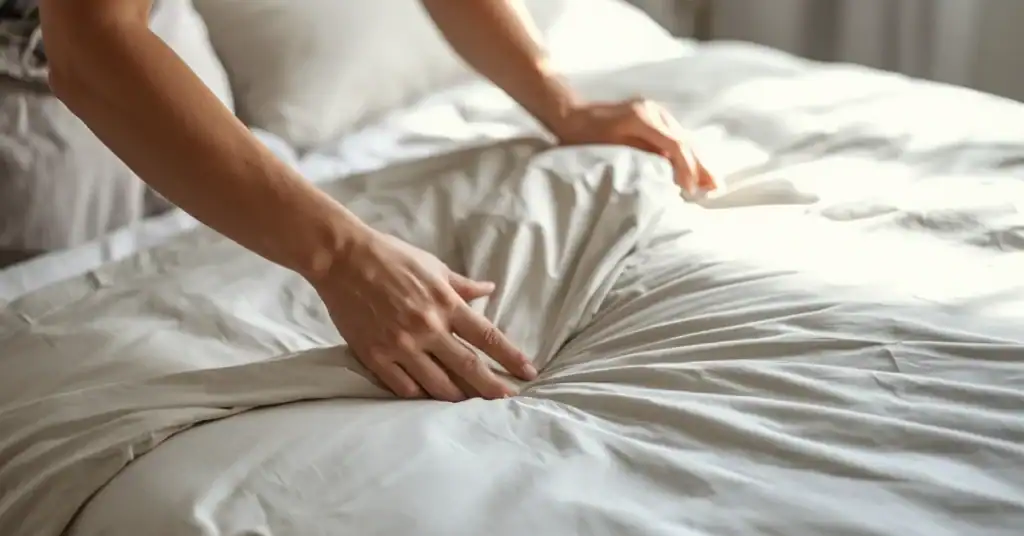
Do not panic. A mattress that contains fiberglass does not always need immediate replacement. The first step is to keep the cover closed and confirm what the mattress actually contains.
Start with the law tag, care label, and brand FAQ. Terms like “glass fiber” or “glass wool” usually indicate fiberglass use.
Poison Control notes that fiberglass exposure from mattresses often happens when covers are unzipped or removed.
Here is the safest next-step checklist:
- Do not remove the cover. Even if it has a zipper, that does not mean it is safe to unzip.
- Check the law tag and care label. Look for terms like glass fiber, glass wool, or fiberglass-related warnings. Poison Control specifically notes that fiberglass may be present in mattress covers or foam.
- Review the product page or manufacturer FAQ. Some brands state clearly whether the mattress uses fiberglass. If the instructions say not to remove the cover, follow that instruction.
- Add a quality mattress protector if the mattress is intact and you plan to keep using it. This adds one more barrier between daily wear and the cover.
- Consider replacement if the cover is torn, the zipper area is damaged, or the brand does not give clear material information.
When It Becomes a Bigger Problem
The problem gets bigger when fiberglass escapes into the room.
Research on mattress covers found that fiberglass release can contaminate bedding and nearby household surfaces after the barrier is disturbed.
Watch for practical warning signs like these:
- shiny or glitter-like fibers on sheets or around the bed
- itching after handling the mattress or bedding
- a torn cover or damaged seam
- loose fibers near the zipper area
- a recent attempt to wash or remove the outer cover
If you already see fibers outside the mattress, treat it as a containment issue. Stop disturbing the bed, avoid shaking out bedding near it, and follow the manufacturer’s guidance for next steps.
REAL-LIFE EXAMPLE
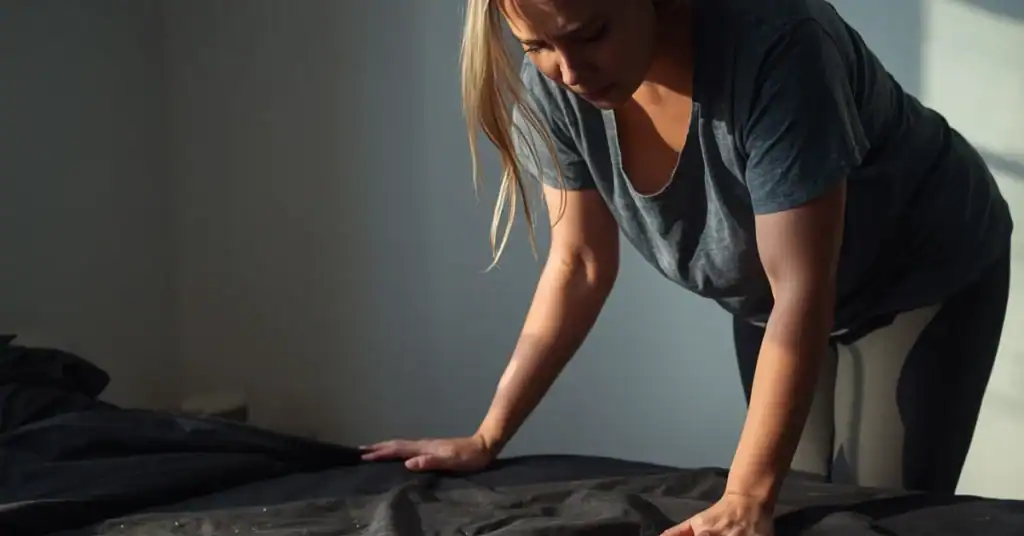
A parent unzips a mattress cover to clean it and later finds fine, shiny dust on nearby surfaces. This is often a sign that a fiberglass layer inside the mattress has been disturbed and released fibers into the room.
How To Choose Safer Mattresses
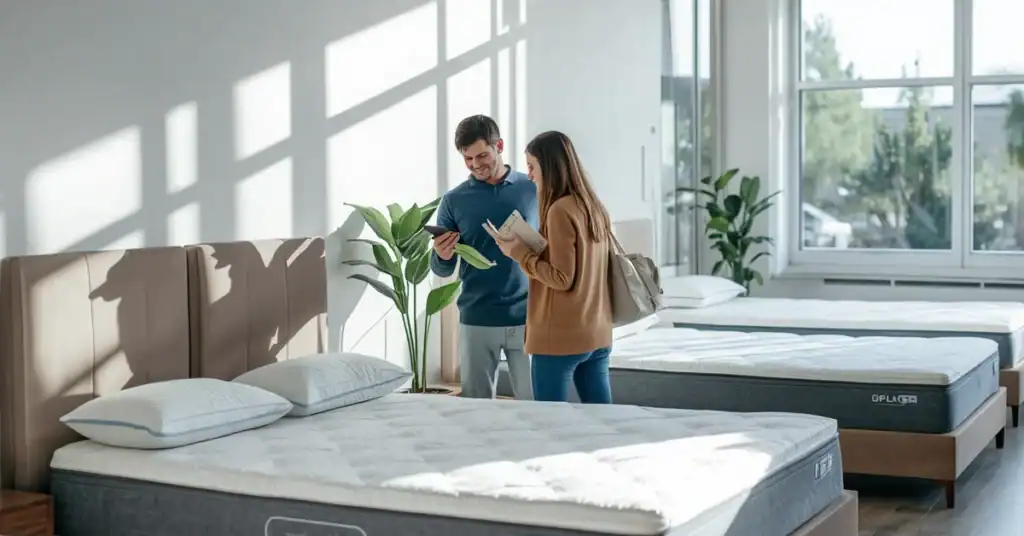
Start with transparency. A safer mattress is easier to identify when the brand clearly lists third part certifications that verify claims, the materials, the flame barrier, and the cover instructions.
We have many guides throughout our site on how to choose safer options such as our guide to the best non toxic mattresses on the market.
If a brand will not clearly name the flame barrier or mattress materials, keep shopping.
At The Goodness Well, we look for clear material transparency first, not just reassuring marketing words.
Here is what to look for:
- A clear “no fiberglass” statement on the product page, FAQ, or law tag
- A named flame barrier material instead of vague wording like “fire sock” or “protective layer”
- A cover that is clearly labeled as removable or non-removable
- Third-party certifications that match the materials used
- Simple material lists with fewer surprises and less guesswork
Certifications can help, but each one covers something different.
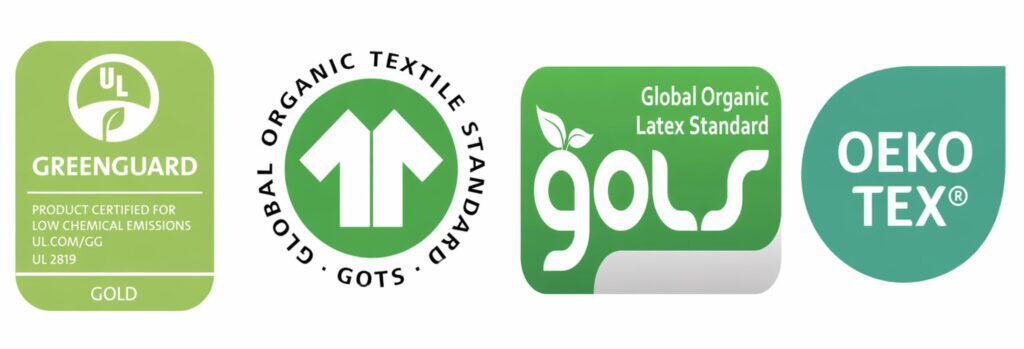
- GREENGUARD Gold focuses on low chemical emissions, including VOCs released into indoor air. It does not mean a mattress is natural or fiberglass-free.
- GOTS applies to organic textiles and can cover mattress components like cotton, wool, or other fiber-based materials. It does not certify every part of every mattress unless those parts are included in the certified product.
- GOLS applies to organic natural rubber latex and includes requirements for latex products used in bedding. It is useful when you are shopping for an organic latex mattress.
- OEKO-TEX STANDARD 100 means the textile parts were tested for harmful substances. It does not tell you the whole mattress is organic.
That last point matters because “natural” is not a regulated shortcut for safety. A mattress can use organic cotton on the surface and still include less transparent materials deeper inside.
A mattress can use organic fabric on the outside and still include less transparent materials deeper inside.
Check the full build, not just the top fabric.
This also helps with another common issue: indoor air. Some mattresses, especially foam-heavy models, release more VOCs when new.
UL says GREENGUARD certification was designed to identify products with lower chemical emissions into indoor air, which gives shoppers a concrete way to compare options.
A simple shopping filter works well:
- choose brands that plainly say no fiberglass
- prefer brands that disclose the exact flame barrier
- use GOTS for organic textile components
- use GOLS for organic latex
- use GREENGUARD Gold when low VOC emissions matter to you
- use OEKO-TEX to check textile safety claims
The safest choice is usually not the mattress with the most marketing claims. It is the one that tells you, in plain language, what is inside and what is not.
Conclusion
Fiberglass in a mattress is mainly a problem when it does not stay contained. If the mattress is intact and the cover stays closed, the risk is lower.
If the cover is damaged, removable, or unclear, that is where extra caution makes sense.
The good news is that this is a manageable issue.
You do not need to panic, but you do want to read labels carefully, avoid removing covers unless the brand clearly allows it, and choose future mattresses from companies that fully disclose what they use.