
The 5 Best Low EMF Infrared Saunas (Safe, Non-Toxic)

Infrared saunas are often marketed as “low EMF,” but what that actually means isn’t always clear.
These saunas rely on electrical heating panels and wiring, which naturally produce electromagnetic fields, especially in close, enclosed spaces.
Major health organizations note that everyday EMF exposure is generally within established safety limits, but research around whether EMFs are harmful over long periods is still evolving.
In this article, we break down the 5 best low EMF infrared saunas on the market, focusing on brands that also prioritize non-toxic, eco-friendly materials and build practices.
The Goodness Well is reader-supported. Some links in this article may be affiliate links, but every recommendation follows our editorial standards and independent review process. Learn more about our editorial standards and review methodology.
What Affects EMF in Saunas
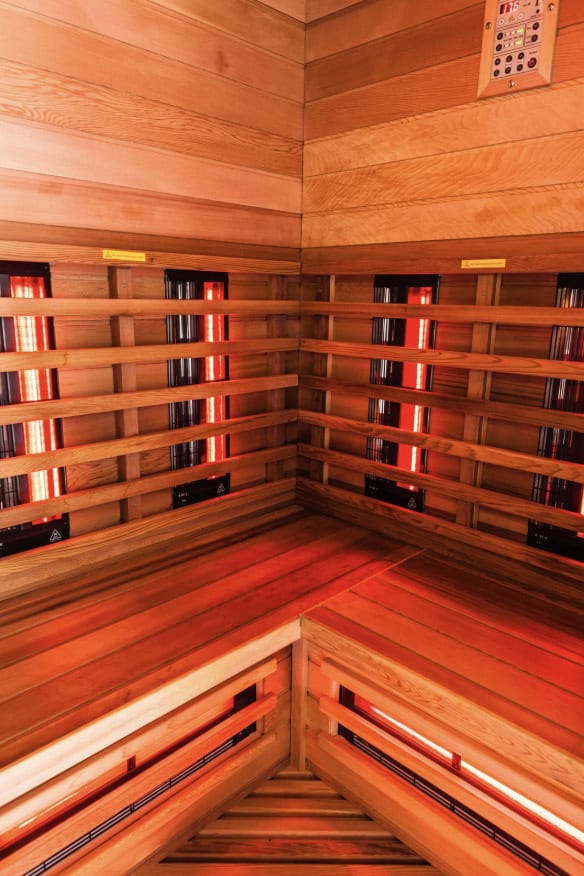
Most concerns with home saunas come down to how the heating system and electrical components are designed. Infrared saunas use powered panels, wiring, and controllers—all of which can produce electromagnetic fields (EMFs).
Lower-EMF saunas aim to reduce this by:
- improving internal wiring layout
- shielding or distancing electrical components
- using heating panels designed to emit less EMF
EMFs are created whenever electricity flows through a device. In a sauna, this mainly comes from heating panels and wiring, not the heat itself.
Not all “low EMF” claims are equal. Measurements can vary depending on:
- where readings are taken (panel vs seating area)
- distance from components
- whether testing is independently verified
The goal isn’t zero EMF—it’s reducing exposure where your body is actually positioned during use.
What the Research Says
Major health organizations like the World Health Organization (WHO) and ICNIRP state that everyday exposure to low-frequency EMFs—like those from household devices—is generally within established safety limits.
At the same time, research is still evolving. Some studies have observed biological changes at the cellular level, such as shifts in gene expression, though these findings don’t confirm harm in humans.
This is why EMFs remain a debated topic. While current guidelines consider typical exposure safe, some people still prefer to reduce exposure where possible—especially in environments like saunas where you’re in close proximity for extended periods.
Build Materials Still Matter

Electrical Design and Enclosures
Even in low-EMF saunas, materials play a role in how components are housed.
Well-built units tend to:
- keep wiring organized and enclosed
- separate electrical parts from direct contact areas
- use stable materials around heating elements
Poorly built designs may expose wiring more directly or use materials that degrade over time with heat.
Wood vs Fabric Designs
Full-size saunas often use solid wood, while portable units rely more on fabric and internal frames.
Fabric-based designs can:
- place you closer to wiring and panels
- rely more heavily on internal electrical layout
Wood enclosures naturally create more separation between the user and internal components.
Look for saunas that clearly list wood types like cedar or hemlock instead of vague terms like “engineered wood” or “composite panels.”
Heating Elements and Output
Infrared saunas use carbon or ceramic panels, which vary in how they distribute heat and EMF.
Differences often come down to:
- panel design and quality
- placement inside the sauna
- overall system layout
“Low EMF” is not a standardized term, so supporting details matter more than the claim itself.
How to Evaluate a Low-EMF Sauna
EMF exposure in a sauna is influenced by:
- distance from heating panels
- wiring layout behind walls or fabric
- time spent inside the sauna
This is why two saunas with similar features can have very different real-world exposure levels.
Key Takeaway: EMF levels depend more on design and measurement location than on marketing claims.
Some individuals also report symptoms they associate with EMF exposure, often referred to as electromagnetic hypersensitivity (EHS). While research has not established a clear cause-and-effect relationship, the symptoms reported—like headaches or fatigue—are real experiences for those individuals.
For this reason, many people choose lower-EMF products as a way to reduce potential exposure, especially in settings where they are in close contact with electrical components.
When comparing options, focus on what’s clearly disclosed:
- Are EMF readings given at user position?
- Is testing third-party or self-reported?
- Does the design create space between you and components?
Clear, specific measurement details are more useful than broad “low EMF” claims.
The 5 Best Low-EMF Infrared Saunas
*While this list focuses on infrared saunas, we included one non-infrared option for those prioritizing materials and EMF exposure.
Remember, always consult with a healthcare professional before incorporating saunas into your routine, especially if you have any underlying health conditions. This is not a medical device and is not intended to be used as one.

SaunaBox
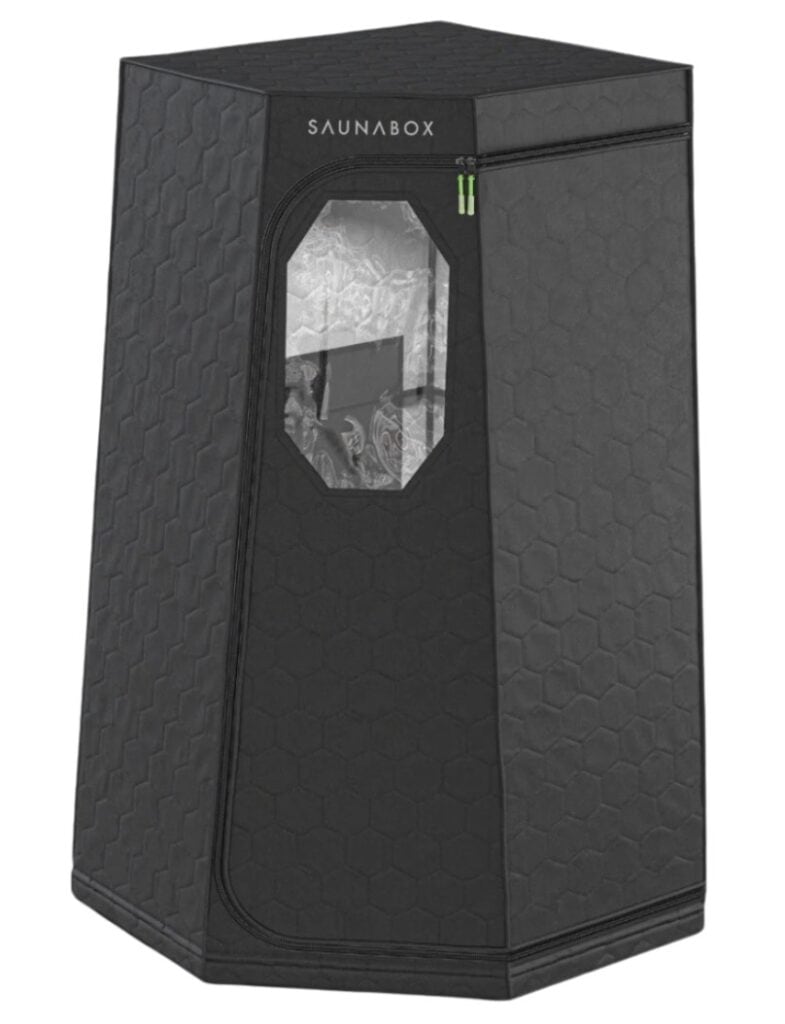
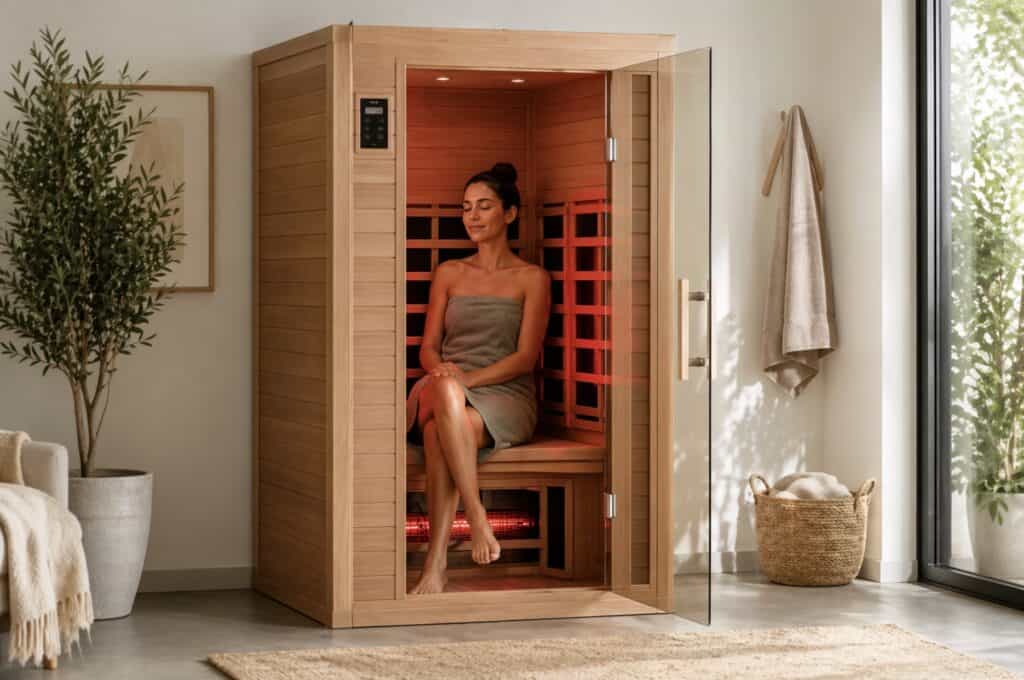
SaunaBox is the strongest choice in this roundup if you’re looking for a low-EMF infrared sauna with more transparency around materials and safety testing.
Their lineup includes both a full-size solid wood sauna (Solara) made from 100% Canadian hemlock and a portable tent-style option (Pulse) with an OEKO-TEX certified cover.
Across the brand, they emphasize low-EMF heating, PFAS-free materials, and third-party testing for heavy metals, phthalates, and VOCs, which is not something most sauna companies clearly show.
This is our top pick because it combines real material options with verified low-tox construction and clear safety standards, making it one of the better options for a non-toxic home sauna setup.
You also get $50 off when purchasing through our links!
⭐ Product Highlights
- Price Range: $829 – $2,999
- TGW Discount: $50 off at checkout
- Materials: 100% Canadian hemlock (Solara), fabric tent (Pulse)
- Finish / Adhesives: Not clearly specified
- Certifications: OEKO-TEX®, REACH compliant, RoHS compliant, Prop 65 compliant, independently tested (Intertek, Simple Lab)
- Safety: Low-EMF panels, PFAS-free materials, no VOCs detected in testing, free of heavy metals & phthalates
- Functionality: Full-spectrum infrared (Solara), infrared heating (Pulse), red light therapy (660nm + 850nm), Bluetooth audio (Solara), portable and foldable option (Pulse)
- Sustainability: Mentions PFAS-free materials, reduced chemical exposure, lower energy use
- Made In: Not specified (USA company)
- Warranty / Shipping: 1-year warranty, free curbside delivery (Solara), fast shipping on portable model
- Best For: People wanting both full-size and portable low-tox sauna options from one brand
- Downside: Relatively short warranty
Warrior Willpower
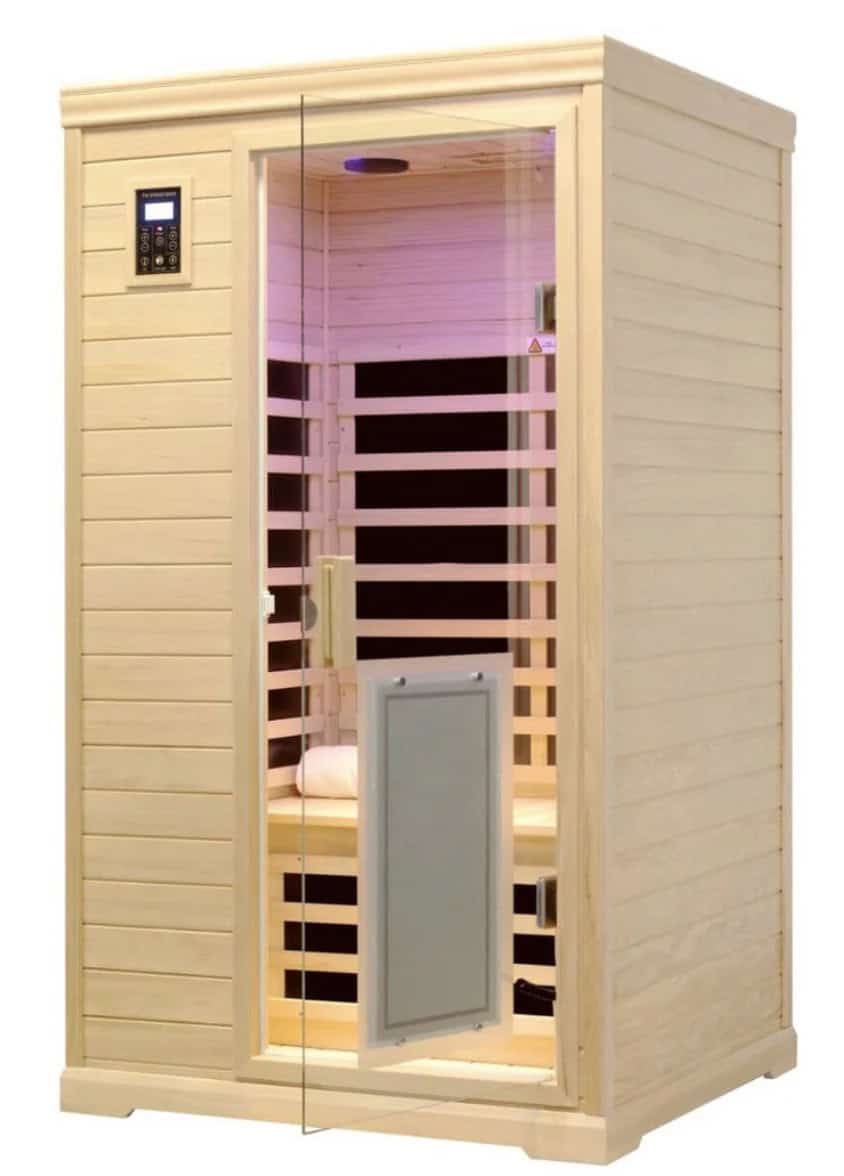
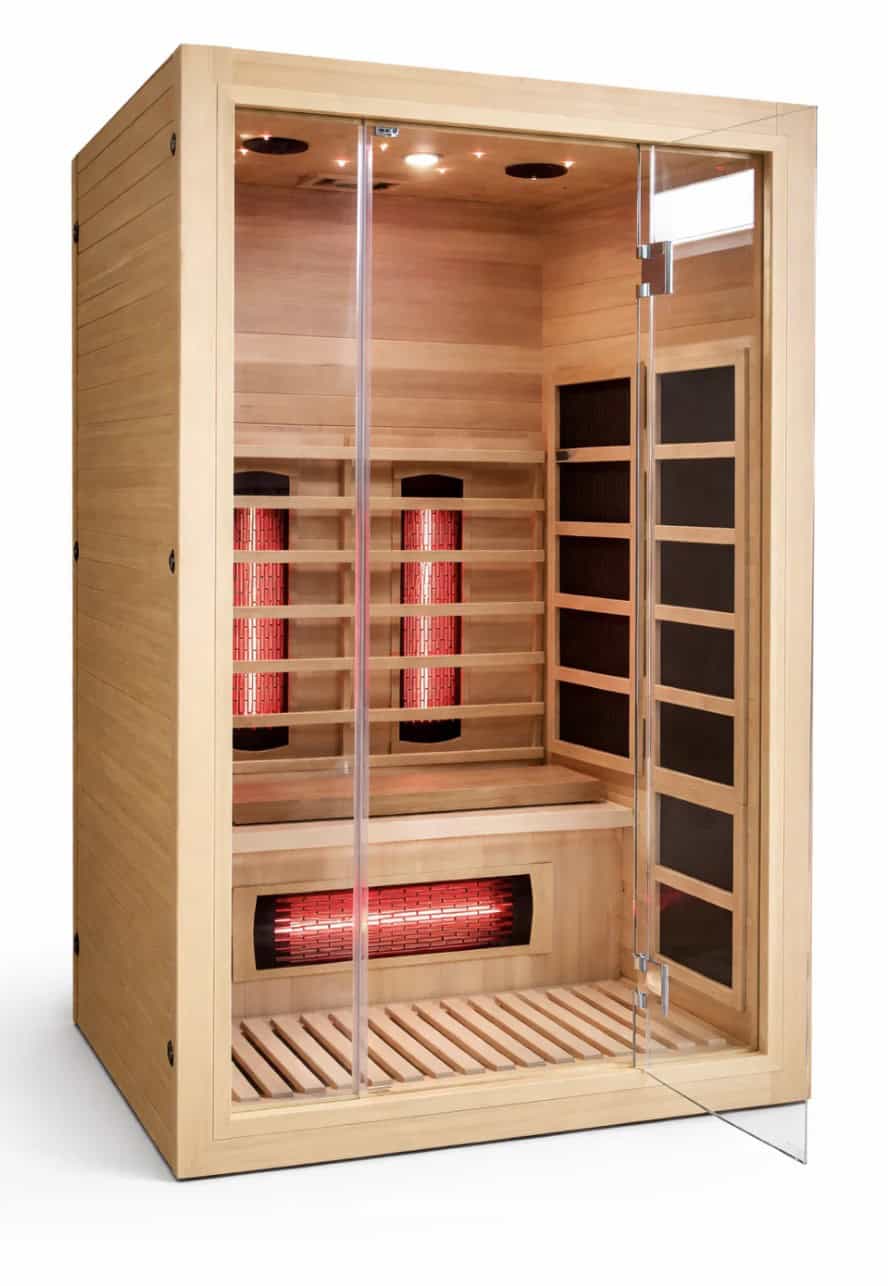
Warrior Willpower is one of the more accessible options in this roundup, especially if you’re looking for a lower-cost infrared sauna that still includes modern features.
Their saunas use low-EMF carbon infrared panels and include extras like red light therapy, chromotherapy lighting, and Bluetooth connectivity.
The designs are simple plug-and-play units that run on a standard 120V outlet and can be assembled in about an hour.
This makes them a solid option for people who want a more affordable home sauna with basic low-EMF features and easy setup.
⭐ Product Highlights:
- Price Range: $1,850 – $3,990
- Materials: Not clearly specified (appears to use wood exterior options)
- Finish / Adhesives: Not disclosed
- Certifications: Not listed
- Safety: Low-EMF PureTech carbon infrared panels
- Functionality: Red light therapy, chromotherapy lighting, Bluetooth audio, app control, plug-and-play setup
- Sustainability: Mentions reduced energy use, less waste, and recyclability
- Made In: Not specified
- Warranty / Shipping: 5-year limited warranty, ~1 month delivery time
- Best For: Budget-friendly infrared sauna with modern features
- Downside: Limited transparency around materials and finishes
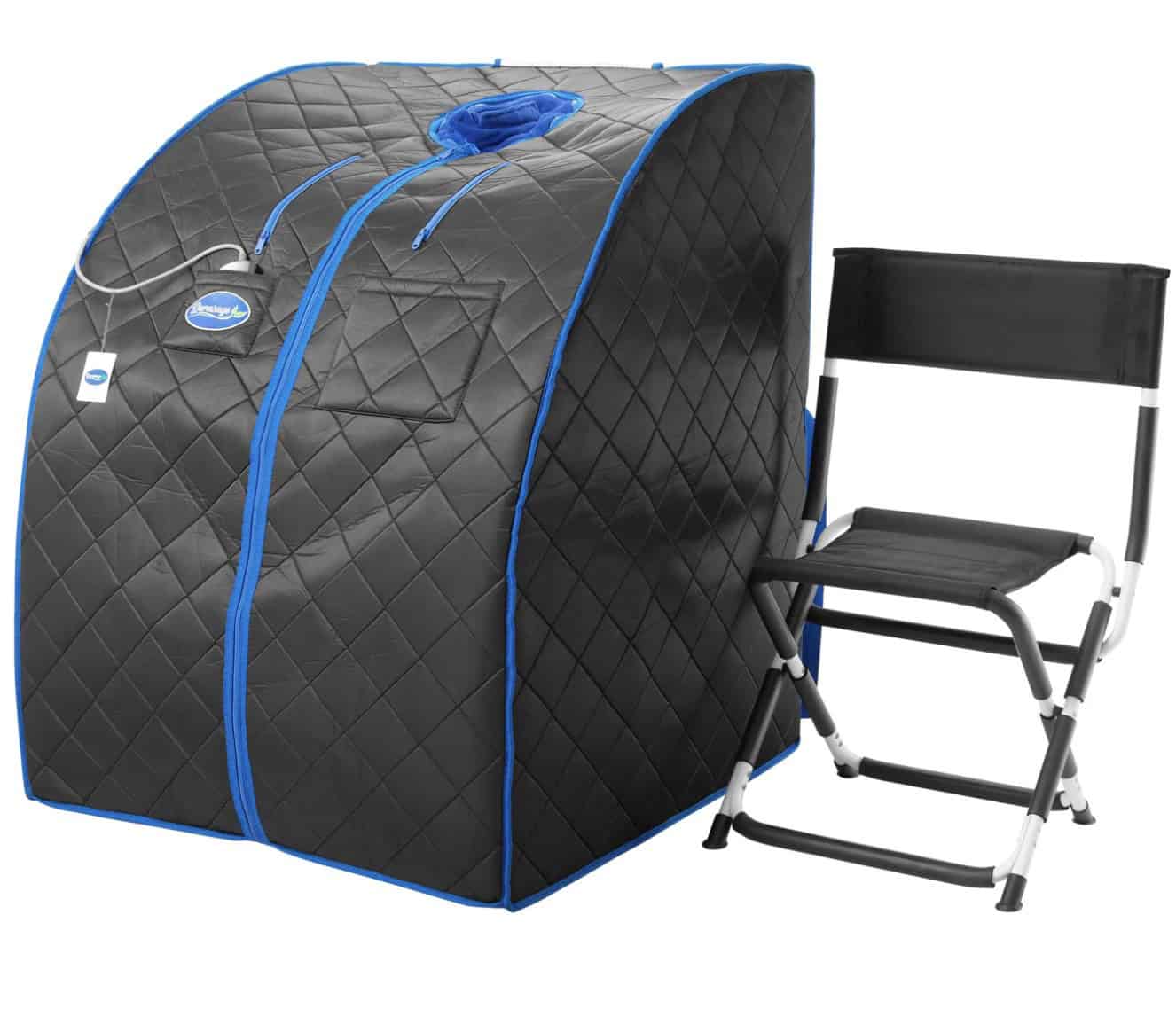
Durasage
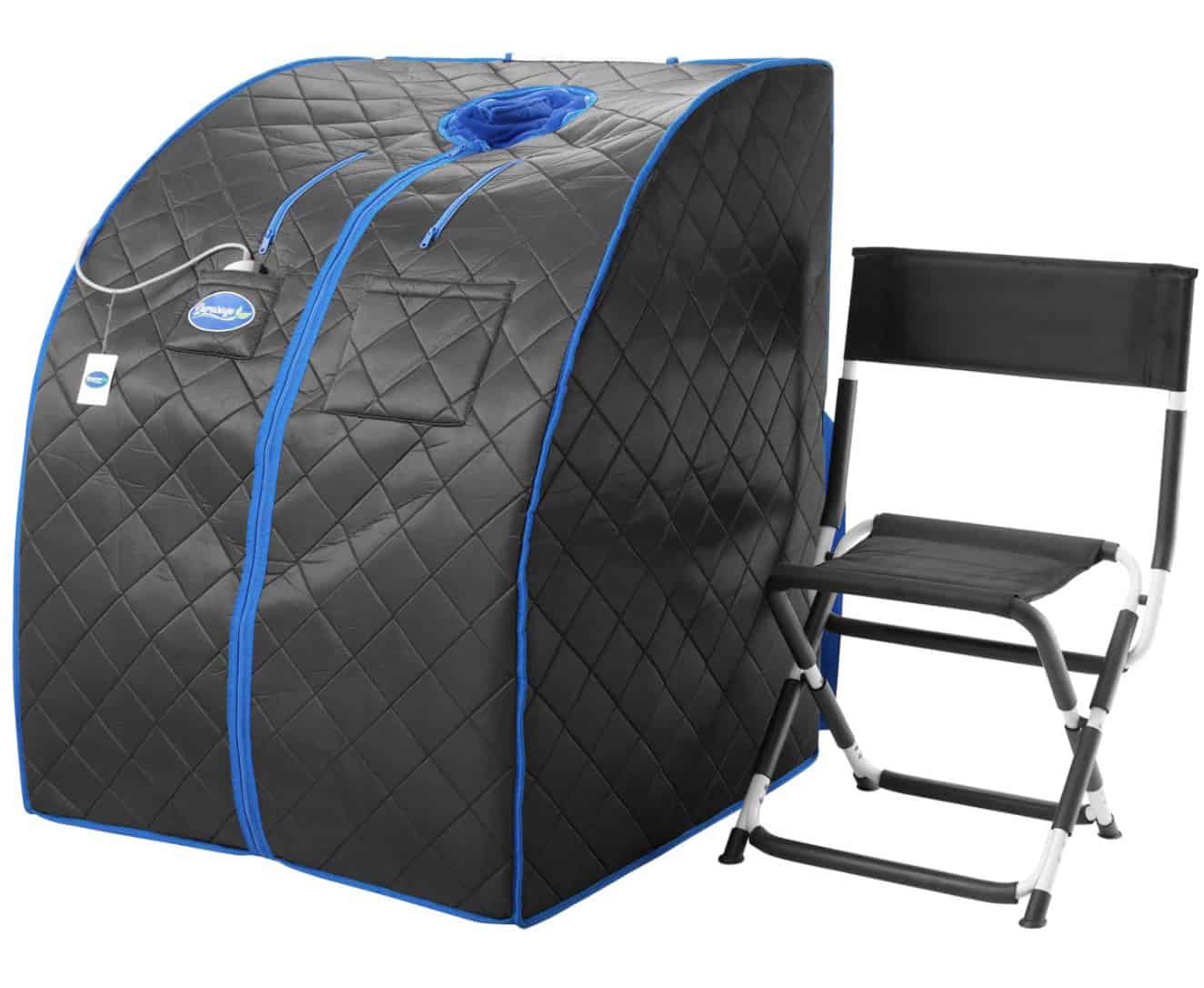
Durasage offers a wide range of budget-friendly infrared saunas, especially focused on portable tent-style models that are easy to set up and store.
Most of their lineup uses fabric enclosures with carbon fiber heating panels and low-EMF claims, along with simple add-ons like heated footpads and folding chairs.
They also offer a few full-size wooden saunas made from Canadian hemlock, but the majority of their products lean toward affordability and convenience over premium materials.
This is a good option if you want a simple, low-cost infrared sauna setup, but there’s limited detail on material safety and certifications compared to higher-end brands.
⭐️ Product Highlights:
- Price Range: $249.95 – $3,295.00
- Materials: Fabric sauna tents, carbon fiber heating panels, some models use Canadian hemlock wood
- Finish / Adhesives: Not specified
- Certifications: Not clearly listed
- Safety: Low-EMF claims (up to ~5 mg where user sits), infrared heating panels
- Functionality: Portable foldable design, heated footpads, chairs included, handheld remote, timer (5–30 min), temps up to ~150°F
- Sustainability: Not clearly stated
- Made In: Not specified
- Warranty / Shipping: Optional extended protection plans shown; standard warranty not clearly detailed
- Best For: Budget-friendly portable sauna setups and small spaces
- Downside: Very limited transparency on materials, certifications, and chemical safety
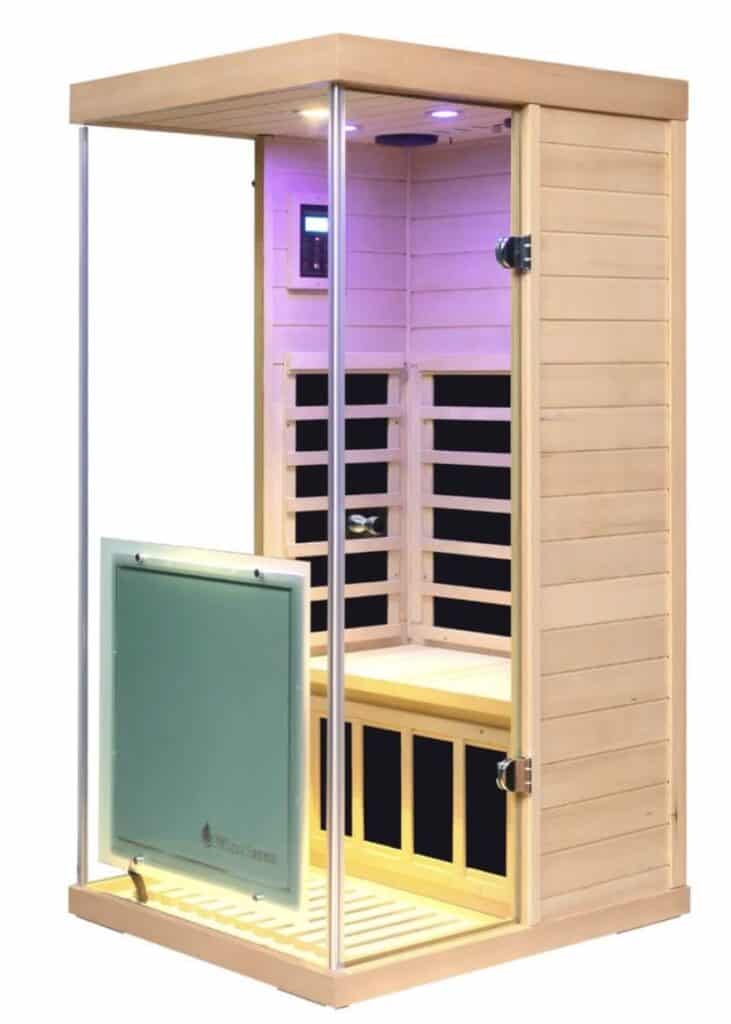
SalusHEAT
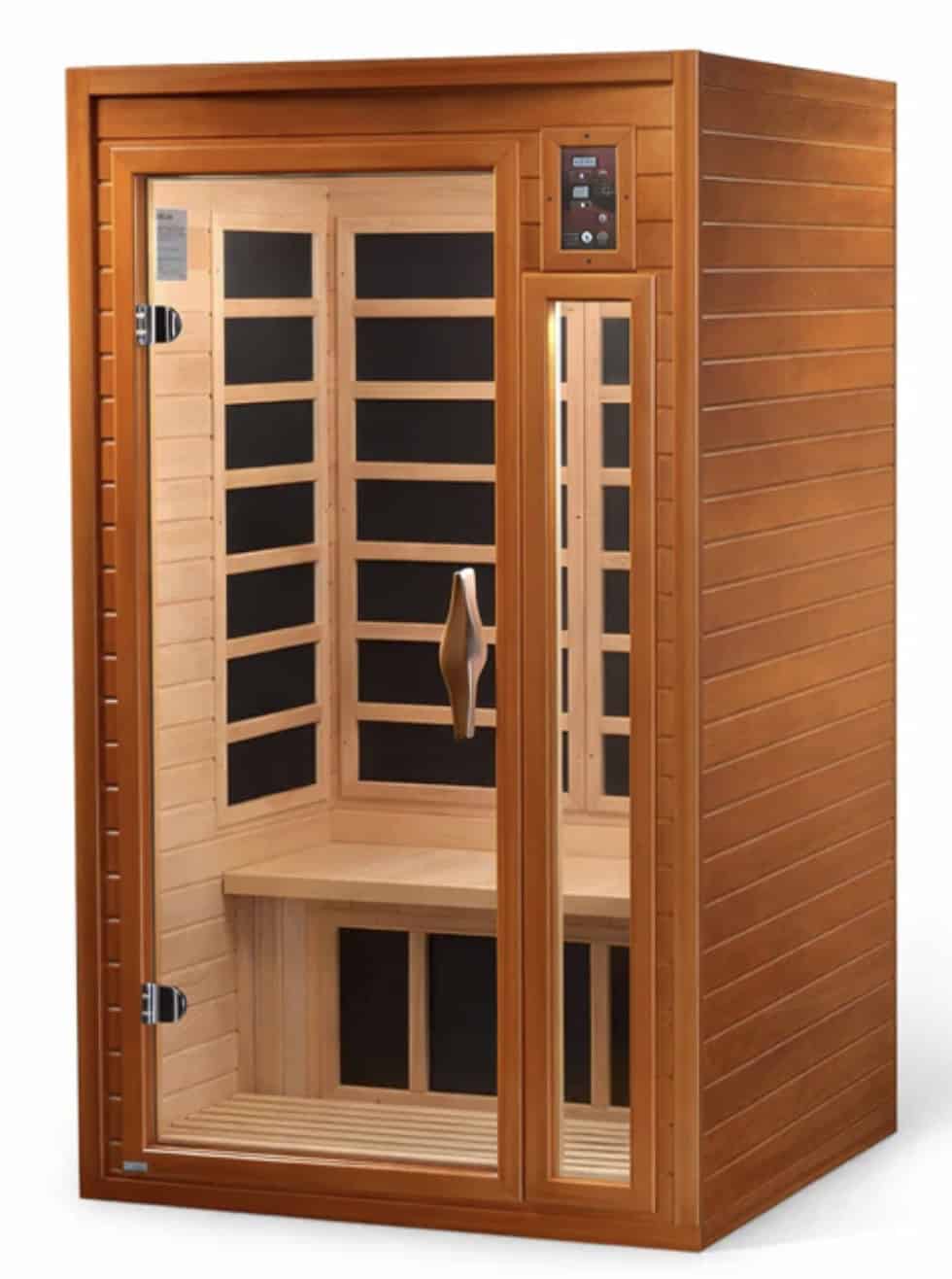
While SalusHEAT wooden cabin saunas are a bit pricey, these low-EMF options are top quality.
Across the line, they use carbon infrared heating panels and solid wood structures like hemlock and red cedar in their larger models.
You’ll also see consistent features like low-EMF positioning, foot heating pads, remote controls, and quick assembly designs depending on the model.
This is a good option if you want a high quality, permanent home setup.
⭐️ Product Highlights:
- Price Range: $199 – $3,999+
- Materials: Canadian hemlock and red cedar (wood saunas)
- Finish / Adhesives: Not clearly specified
- Certifications: Not specified in provided info
- Safety: “Ultra-low EMF” positioning (levels vary by distance from panels)
- Functionality: Full-size cabins, heated foot pads, remote/timer controls, chromotherapy lighting (select models)
- Sustainability: Natural wood options available; no detailed sourcing or eco certifications listed
- Made In: Not specified
- Warranty / Shipping: 1-year warranty noted on some products; fast shipping and pre-assembled panel systems highlighted
- Downside: Materials and safety details (like adhesives and certifications) are not clearly disclosed across the line
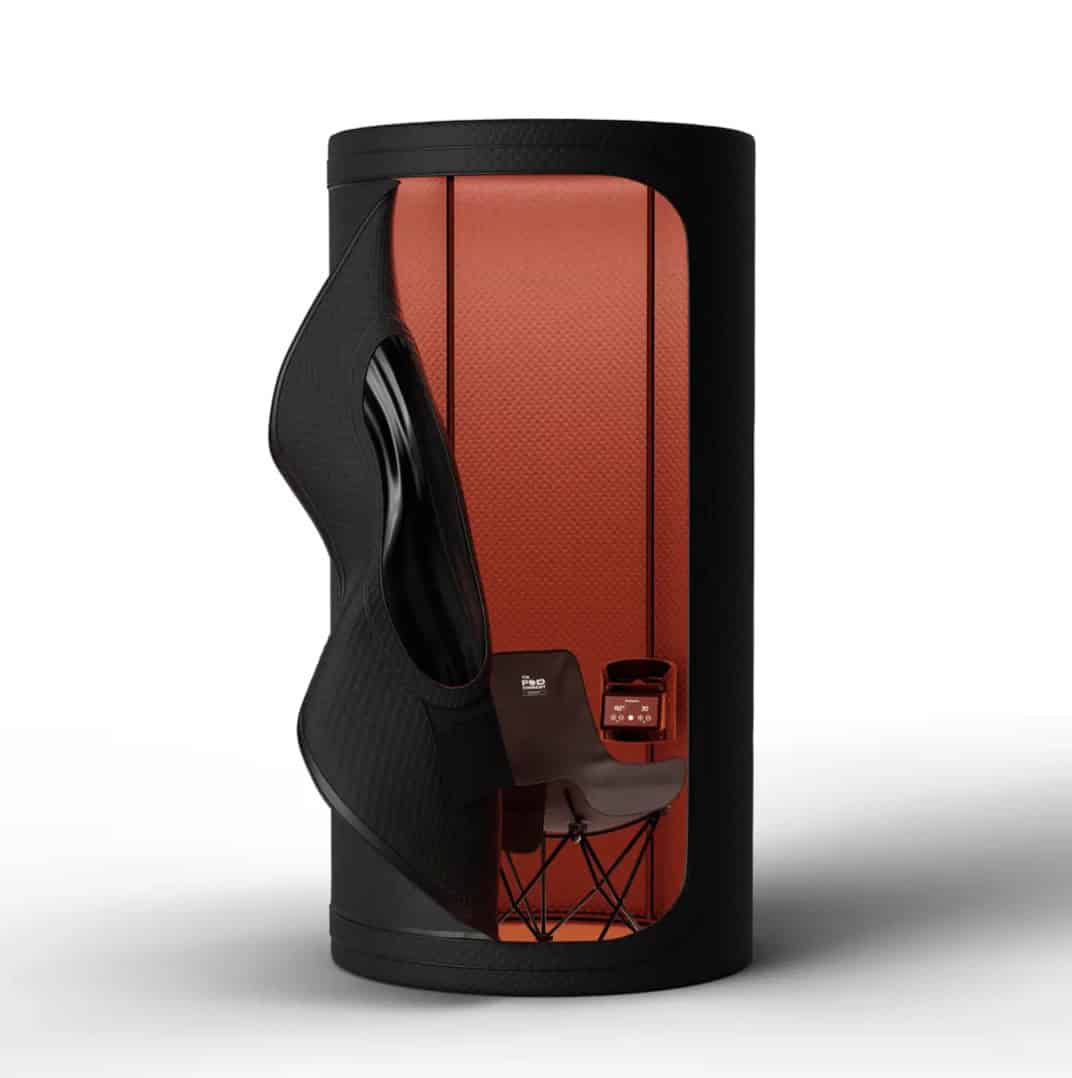
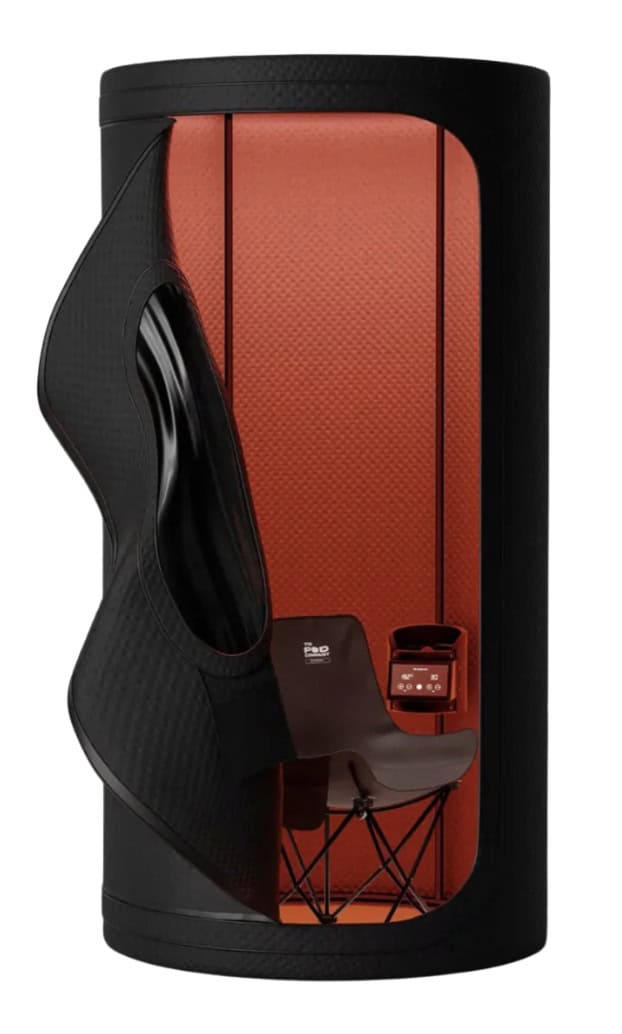
The Pod Company Sauna Pod 2.0
While this is not an infrared sauna, we included it because it’s one of the only portable options that avoids the typical plastic and polyester materials.
The Sauna Pod uses real dry heat (like a traditional Finnish sauna), heating the air around you instead of using infrared light.
As far as EMF levels, the company states, “the SaunaPod heater is on the low end and would be classified as a Low-EMF appliance.”
It’s also made with 100% natural cotton (inside and out) with layered insulation and a stainless steel frame, which is a big shift away from the polyester “sweat tents” most brands use.
This is a strong pick for people trying to reduce VOC exposure while still getting a true low-emf, high-heat sauna experience.
You also get 5% off when purchasing through our links!
⭐️ Product Highlights:
- Price Range: $697
- Materials: 100% natural cotton (multi-layer), stainless steel frame, TPU window
- Finish / Adhesives: Not specified
- Certifications: UL-listed electrical parts, CE & ETL certified electronics, FSC-certified cotton
- Safety: Third-party tested for VOCs; BPA- and phthalate-free materials; no polyester
- Functionality: Dry heat sauna (not infrared), heats to 185°F, 1500W heater, foldable design, indoor/outdoor use, red light, folding chair included
- Sustainability: Uses natural cotton instead of synthetic fabrics; FSC-certified materials
- Made In: Not specified
- Warranty / Shipping: 2-year warranty, free U.S. shipping, 30-day returns (unused condition)
- Best For: People who want a portable sauna without polyester or plastic materials
- Downside: Some materials (like coatings or adhesives) are not clearly disclosed