Is Off Gassing Dangerous? What You Need to Know

Off-gassing sounds alarming, but the real question is how much you are breathing in and for how long.
That matters because new furniture, flooring, paint, and other household materials can release VOCs into indoor air, and the EPA notes that indoor levels of many VOCs are often higher than outdoor levels.
In this article, we’ll look at when off-gassing is more likely to be a real problem and how to reduce exposure in a practical way.
Off-gassing is not always dangerous, but it matters more with new, high-emission products indoors.
The real issue is exposure: what the product releases, how much is in the air, and how long you breathe it.
Off-gassing does not automatically mean a product is unsafe, but strong odors, poor ventilation, and lack of low-emissions testing make it a less reassuring choice.
When It Matters Most
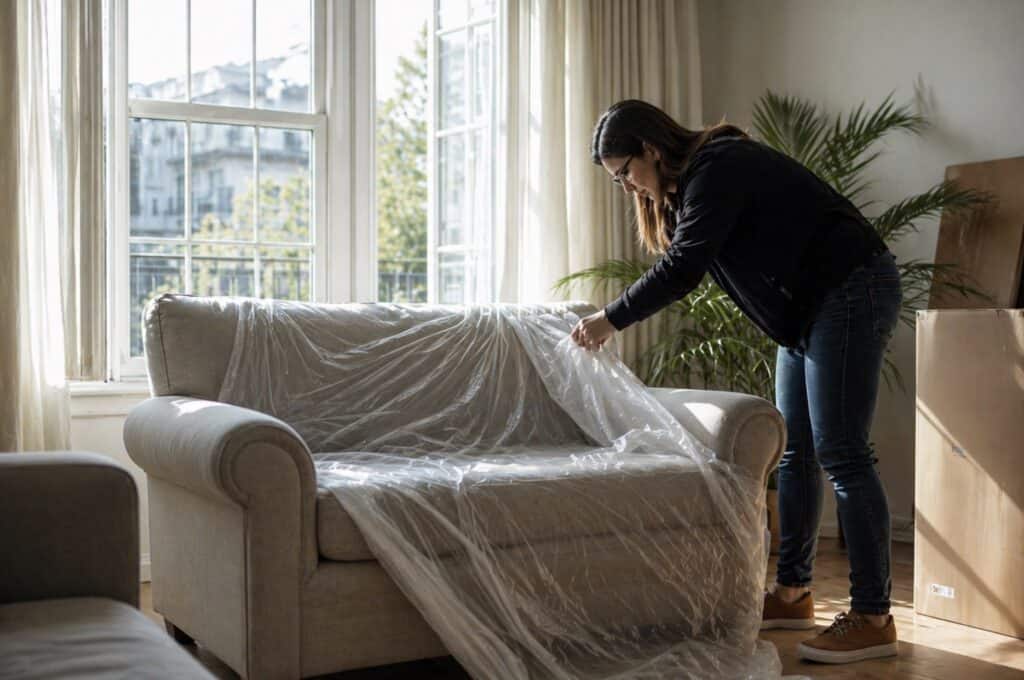
Off-gassing is more likely to be a real problem when a product is new, used indoors, and placed in a space with poor airflow.
Furniture is one of the most common examples at home.
New sofas, mattresses, upholstered bed frames, particleboard furniture, and cabinets can release VOCs from foam, adhesives, finishes, and engineered wood.
The EPA explains that VOCs are emitted as gases from many household products and materials, and indoor levels are often higher than outdoor levels.
This matters most when:
- You bring home a large new item, like a sofa or mattress
- The room is small or closed up
- Several new items arrive at once, such as furniture, rugs, and paint in the same room
- The product has a strong chemical smell
- The item is used close to your body, like a mattress, nursery chair, or headboard
One new item may be manageable, but several new items in one room can create a much stronger indoor air burden.
Furniture is the main focus here, but it is not the only source. Paint, flooring, cabinets, cleaners, and some building materials can also off-gas indoors.
A small amount of off-gassing from one item in a ventilated room is different from multiple new products releasing chemicals into a sealed bedroom for days.
Key Takeaway: Off-gassing matters most when new products, time, and poor ventilation all stack together.
Why New Products Matter

The Newness Window
Off-gassing is usually strongest in the first days and weeks after a product is unpacked, then drops over time with airflow and use.
New products often release chemicals faster at first, then the amount in the air usually drops over time.
This matters most with large items such as:
- sofas
- mattresses
- dressers or cabinets made with engineered wood
- upholstered bed frames
- nursery furniture
Research on indoor formaldehyde explains why newness matters.
Emissions from wood-based products often come from adhesives and tend to be strongest when materials are newer and have had less time to air out.
REAL-LIFE EXAMPLE

You bring home a new sofa and notice a strong chemical smell for the first several days. That smell tells you the sofa is releasing chemicals into indoor air most heavily during the early use period. It does not tell you exactly which chemicals are present or whether the sofa meets a low-emissions standard, so you still need to check certifications or product details.
Some Chemicals Matter More
Not all off-gassing is the same. Some chemicals are mostly an odor and irritation issue but others are more of a concern.
Two common examples in furniture are:
- Formaldehyde, often tied to some engineered wood products and adhesives
- VOCs from finishes, foams, coatings, and glues
That is why “off-gassing” should not be treated like one single hazard.
The real question is what is being released, how much is being released, and how close you are to it during the first exposure window.
Who Notices It More

People do not react to off-gassing the same way. One person may barely notice a new dresser, while another gets a headache or irritated eyes in the same room.
Two people can spend time in the same room and notice off-gassing very differently.
This usually matters more for:
- babies and young children
- people with asthma
- people with migraines
- people with chemical sensitivity
- anyone spending long hours in a small, poorly ventilated room
The EPA notes that VOCs can irritate the eyes, nose, and throat, and people with breathing issues may notice indoor air problems sooner.
Room setup matters too. A new nightstand in a large, airy living room is different from a new mattress and bed frame in a closed bedroom.
Some chemicals have a strong smell, while others can be present even when a room does not smell like much.
The second setup puts you closer to the source for more hours at a time.
Smell can help, but it is not a perfect test. A strong odor often means chemicals are releasing into the air. No smell does not prove that emissions are zero.
This is one reason families often notice nursery products quickly. Babies sleep close to mattresses, glues, finishes, and fabrics for long stretches.
That makes product choice and ventilation matter more in those spaces.
How to Reduce Exposure

Safer Shopping Signals
The easiest way to lower exposure is to start before you buy. Choose products that give you more information and fewer unknowns.

Look for:
- GREENGUARD Gold or other low-emissions certifications
- clear material disclosure, especially for foam, adhesives, finishes, and engineered wood
- solid wood or simpler construction when practical
- fewer added coatings or treatments
GREENGUARD Gold is useful because it screens products for lower chemical emissions.
UL says GREENGUARD Gold certified products are tested for low emissions and help support better indoor air quality.
Certification does not mean a product emits nothing. It means the product has been tested against a lower-emissions standard.
That gives you more to work with than a vague “eco” or “non-toxic” claim.
At The Goodness Well, we focus on lowering real-life exposure, not chasing perfection.
Simple Steps at Home
You can lower off-gassing exposure without throwing everything out. The biggest win is reducing the amount you breathe during the first days and weeks.
Helpful steps:
- Air out new furniture before heavy use, if possible
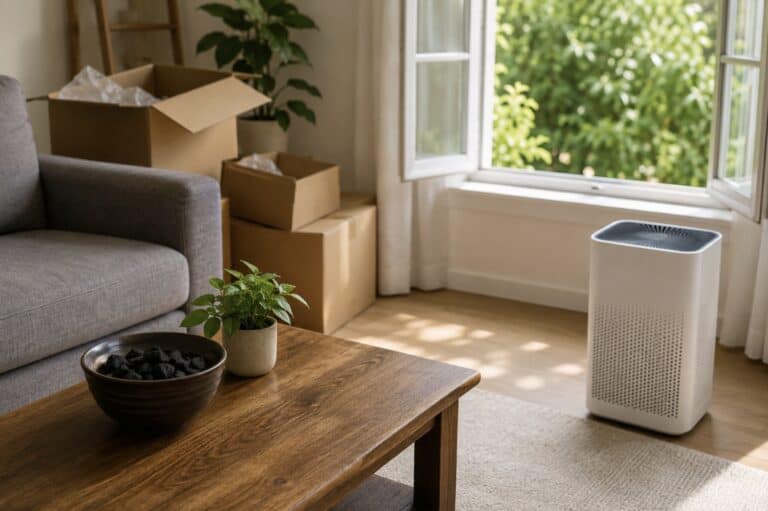
- Open windows and increase airflow after delivery or installation
- Avoid buying several new off-gassing items at once for the same room
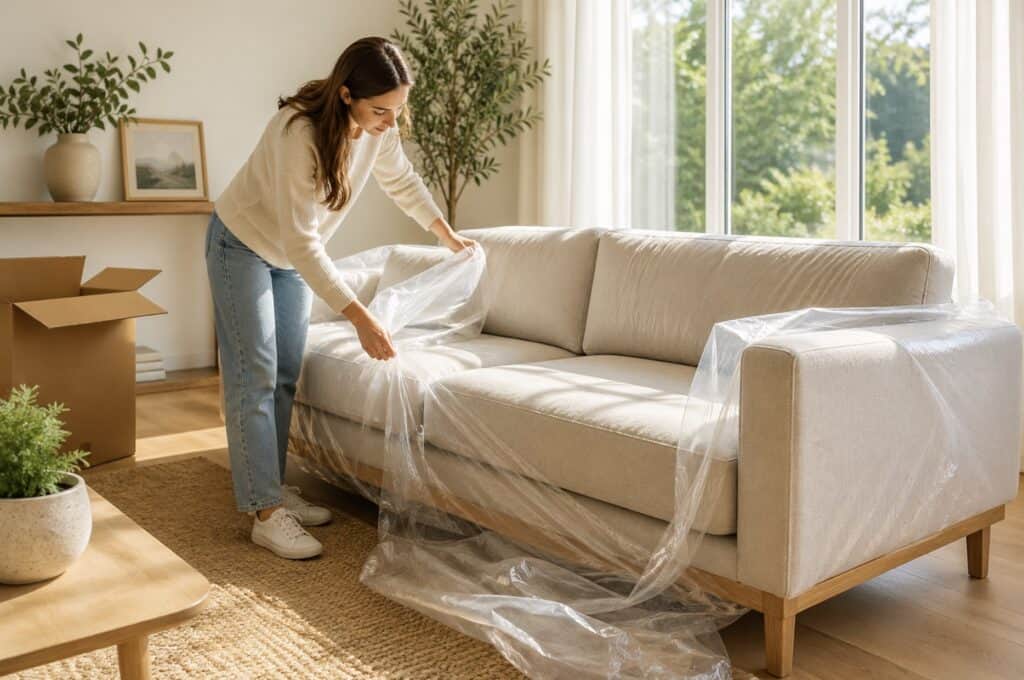
- Unbox items quickly instead of leaving them sealed in plastic indoors
- Wash removable covers or soft goods if the care label allows it
- Use the room less during the strongest odor period, especially for bedrooms or nurseries
You can also use our tips for speeding up the off-gassing process to reduce your exposure more quickly.
Space out big purchases when you can. It is easier to air out one new item than a whole room at once.
This matters even more in small rooms. A new dresser in a large open space is very different from a new bed, mattress, rug, and paint all added to one closed room at the same time.
If a product smells very strong and the brand will not share testing or material details, return it if you can. That is often the clearest sign that the product is not a good fit for your home.
Key Takeaway: Better disclosure and better airflow go a long way toward reducing off-gassing exposure.
Conclusion
Off-gassing is not equally dangerous in every home or with every product.
What matters most is the amount released, how new the item is, how long off-gassing lasts, how much time you spend near it, and how well the space is ventilated.
You do not need to panic over every new purchase. A few smart steps, especially during the first days and weeks, can make a real difference and help you create a healthier home over time.