
What Are EMFs and Are They Harmful? What to Know Before You Worry

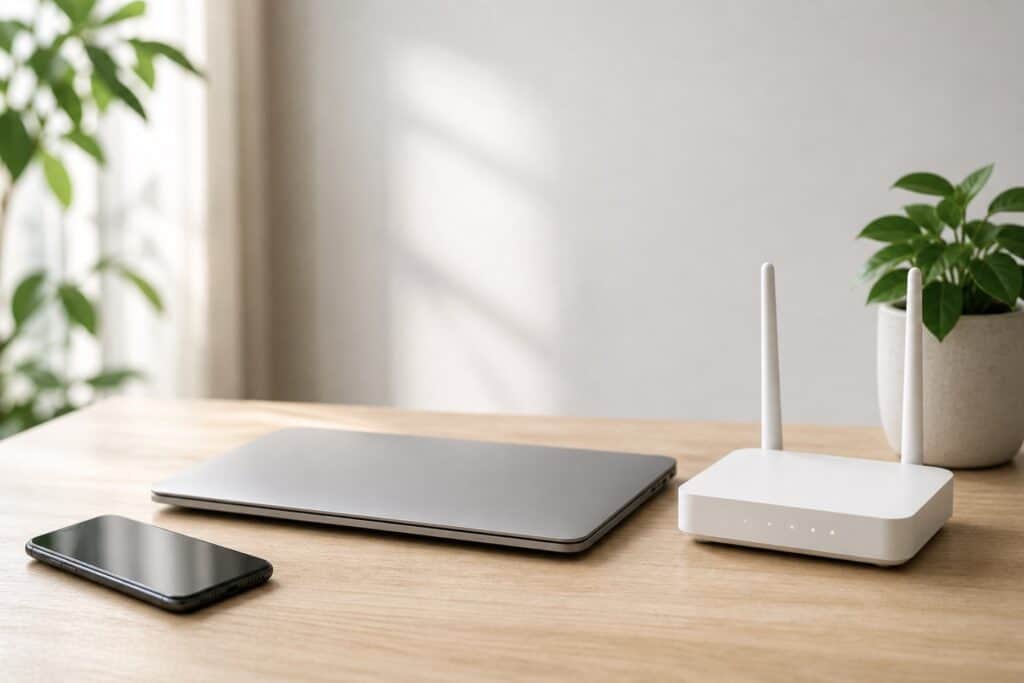
EMFs, or electromagnetic fields, are part of everyday life, coming from natural sources like sunlight as well as electrical and wireless sources like power lines, phones, WiFi, and household devices.
The confusion comes from the fact that “EMF” is a broad term, and not every type affects the body in the same way.
According to the World Health Organization, current evidence does not show that low-level electromagnetic field exposure is harmful to human health, but research continues, especially around long-term and close-range exposure.
This article explains what EMFs are, which types matter most, and how to reduce unnecessary exposure without fear.
Everyday EMF exposure is generally low risk, but not all EMFs are the same.
Ionizing EMFs, like X-rays, have enough energy to damage DNA, while non-ionizing EMFs from phones, WiFi, and appliances are much lower energy.
For daily life, focus on reducing close, repeated exposure instead of trying to avoid EMFs completely.
What Are EMFs?
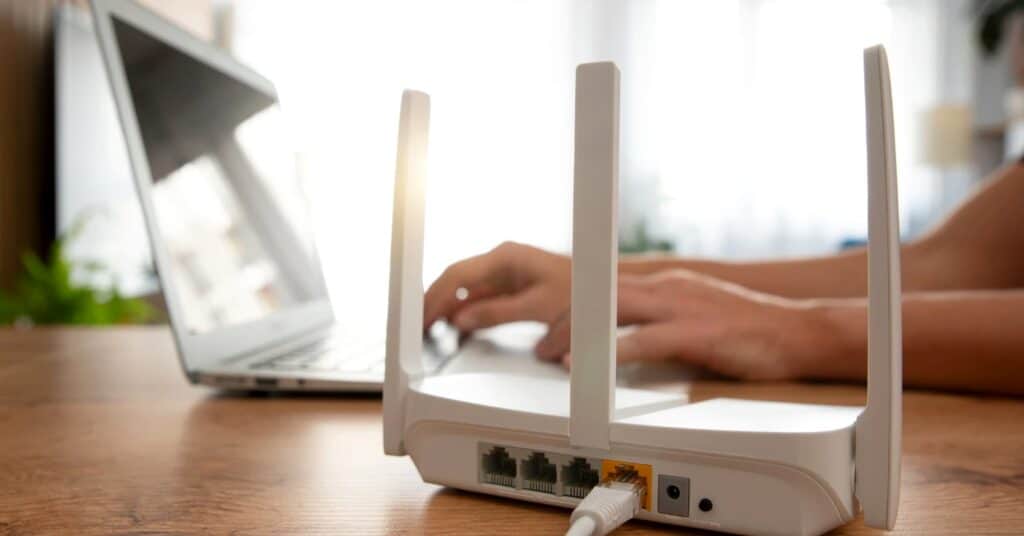
EMFs stands for electromagnetic fields. They are areas of energy created by electric charges.
Some EMFs come from natural sources. Sunlight is one example. Others come from human-made sources, such as electricity, wiring, appliances, and wireless devices.
Common sources of EMFs include:
- Sunlight
- Power lines
- Electrical wiring
- Cell phones
- WiFi routers
- Bluetooth devices
- Microwaves
- Laptops and tablets
- Smart meters
- Medical imaging, such as X-rays
The word “EMF” can be confusing because it covers a wide range of energy types. Some EMFs are high energy, while others are low energy.
A medical X-ray, a WiFi router, and sunlight all fall under the broader electromagnetic spectrum, but they do not work the same way in the body.
Sunlight is part of the electromagnetic spectrum too. That is why the type of EMF matters more than the word “EMF” alone.
The World Health Organization explains electromagnetic fields as part of the physical environment around us, including both natural and human-made sources.
That is why EMFs are not something people can fully avoid. The more useful question is what type of EMF you are dealing with, how strong it is, and how close you are to the source.
For this article, the main focus is everyday EMF exposure from common electrical and wireless sources. That includes things like phones, WiFi, power lines, and household electronics.
Ionizing vs Non-Ionizing EMFs

The easiest way to understand EMFs is to separate them into two main groups: ionizing and non-ionizing.
The difference comes down to energy level. Higher-energy EMFs can break chemical bonds. Lower-energy EMFs do not have enough energy to do that.
Ionizing radiation has enough energy to change atoms and molecules. Non-ionizing radiation has lower energy and does not break DNA in the same direct way.
Ionizing EMFs
Ionizing EMFs carry enough energy to remove electrons from atoms. This can damage DNA and cells when exposure is strong enough.
Examples include:
- X-rays
- Gamma rays
- Some ultraviolet radiation
This is why X-rays are used carefully in medical settings. They can be helpful when needed, but exposure is controlled and limited.
Non-Ionizing EMFs
Non-ionizing EMFs have lower energy. They do not have enough energy to break DNA the way ionizing radiation can.
Common examples include:
- Radiofrequency waves from phones and WiFi
- Extremely low-frequency fields from power lines
- Bluetooth signals
- Visible light
- Infrared light
- Microwaves
This is the type most people mean when they talk about everyday EMF exposure. It includes the signals and fields from common household electronics and wireless devices.
Key Takeaway: The biggest safety difference is whether the EMF is ionizing or non-ionizing.
Are Everyday EMFs Harmful?

For most people, everyday EMF exposure from phones, WiFi, appliances, and power lines is considered low risk when devices are used normally.
The World Health Organization says current evidence does not confirm health harm from low-level electromagnetic field exposure, but research continues because some knowledge gaps remain.
Risk depends on the exposure, not just the presence of EMFs. The main factors are:
- Type: Ionizing radiation is treated very differently from non-ionizing radiation.
- Strength: A stronger field creates more exposure than a weaker field.
- Distance: Exposure drops as you move farther from the source.
- Duration: Long, close contact creates more exposure than brief or distant use.
Distance matters because exposure usually drops as you move away from the source. Even a small increase in distance can reduce close-range exposure.
A phone in your hand for a short call is different from a phone pressed against your body for hours. A WiFi router across the room is different from one placed beside your pillow every night.
REAL-LIFE EXAMPLE

You charge your phone on your nightstand and sleep with it beside your head every night. That setup means your phone stays close to your body for many hours. Moving it across the room lowers close-range exposure while still letting you use it as an alarm.
Some studies show that non-ionizing EMFs can interact with living systems under certain conditions.
For example, a 2025 pig embryo study found that short ELF-EMF exposure changed gene expression and DNA methylation patterns in pig conceptuses.
A study can show biological interaction without proving harm in people. That is why EMF research is still watched carefully but should not be overstated.
That does not prove harm in humans. It does show why researchers keep studying long-term and close-range exposure.
At The Goodness Well, we look at EMFs through a practical lens: reduce unnecessary exposure without treating every device as a threat.
EMF Sensitivity Symptoms

Some people report symptoms they believe are triggered by EMF exposure. This is often called electromagnetic hypersensitivity, or EHS.
Reported symptoms often include:
- Headaches
- Fatigue
- Brain fog
- Sleep problems
- Dizziness
- Skin tingling or burning sensations
- Trouble concentrating
These symptoms can feel very real and disruptive. The harder question is whether EMFs directly cause them.
Some researchers have looked for biological patterns in people who report EHS.
For example, Dominique Belpomme and David Irigaray’s 2022 review argued that EHS patients may show measurable biological changes, including inflammatory and nervous system markers.
Key Takeaway: Symptoms should be taken seriously, even when the exact trigger is unclear.
If headaches, poor sleep, or brain fog are affecting daily life, it is worth looking at the full picture, including sleep habits, stress, screen time, lighting, indoor air quality, medical conditions, and device habits.
Reducing close-range EMF exposure may help some people feel more comfortable. It should not replace medical care when symptoms are persistent, severe, or getting worse.
Reducing Unnecessary Exposure

You do not need to remove every EMF source from your home. That is not realistic, and it is not the goal.
Start with your sleep space. Keeping your phone away from your pillow is one of the easiest low-effort changes.
A better goal is to reduce close, constant exposure when it is easy to do. Distance matters because EMF strength usually drops as you move farther from the source.
Simple steps include:
- Keep your phone off your body when you are not using it.
- Use speaker mode or wired headphones for longer calls.
- Avoid sleeping with your phone under your pillow.
- Charge your phone across the room at night.
- Move WiFi routers away from beds, cribs, and favorite sitting areas.
- Turn on airplane mode when wireless connection is not needed.
- Avoid placing laptops directly on your lap for long periods.
- Keep baby monitors a few feet away from the crib.
They simply reduce exposure patterns that are easy to change.
Small changes often matter most when exposure is close and repeated. A phone in a bag is different from a phone in a pocket all day.
A router on a hallway shelf is different from a router beside your bed.
EMFs are part of modern life. Most daily exposure is considered low risk, but reducing unnecessary close-range exposure is a simple way to be thoughtful without overreacting.
Conclusion
EMFs are part of everyday life, and most daily exposure from common devices is considered low risk when used normally.
The key is understanding that risk depends on the type of EMF, how strong it is, how close you are, and how long the exposure lasts.
You do not need to fear every wireless device or remove every source from your home.
Simple habits, like creating more distance from devices during sleep or long periods of use, can help you reduce unnecessary exposure while still living comfortably.