How To Speed Up Off Gassing: 7 Easy Tips

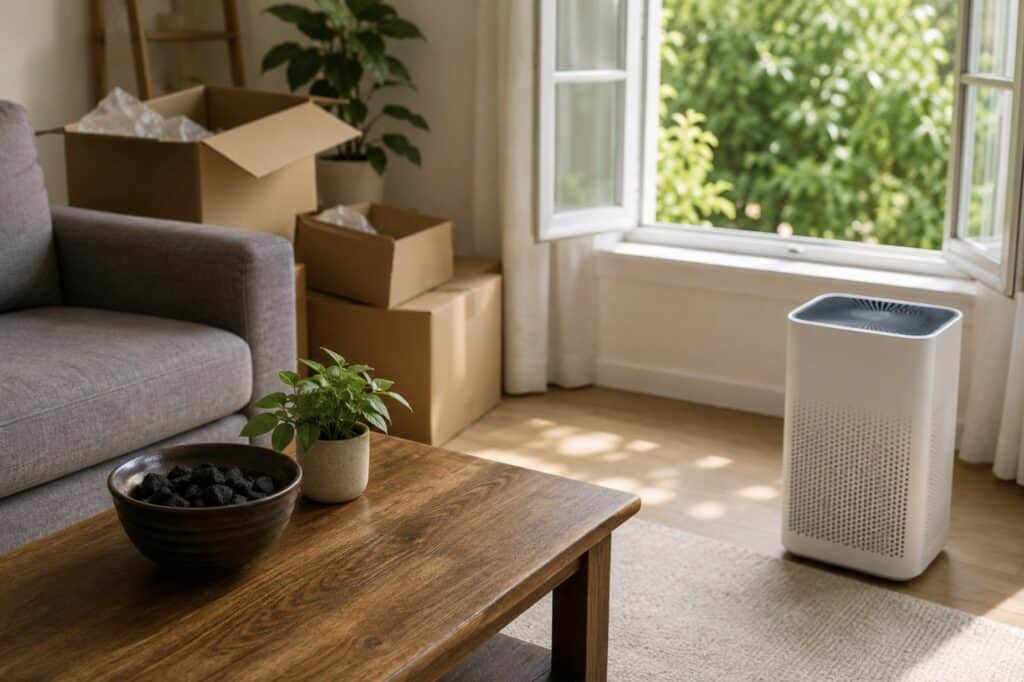
Many new furniture pieces, rugs, mattresses, and other household products have a noticeable smell when they first arrive.
In many cases, that odor comes from chemicals being released into the air over time.
According to the EPA, indoor air can contain pollutants released from building materials and household products like furniture.
Understanding how to speed up off-gassing can help reduce odors and improve indoor air quality while new items settle into your home.
Off-gassing is the release of chemicals from products into the surrounding air.
You can reduce indoor VOC levels by increasing ventilation, using heat carefully, running an air purifier with activated carbon, sealing exposed surfaces, and allowing items to air out before bringing them indoors.
How to Speed Up Off-Gassing Furniture
1. The “Cookout” Method
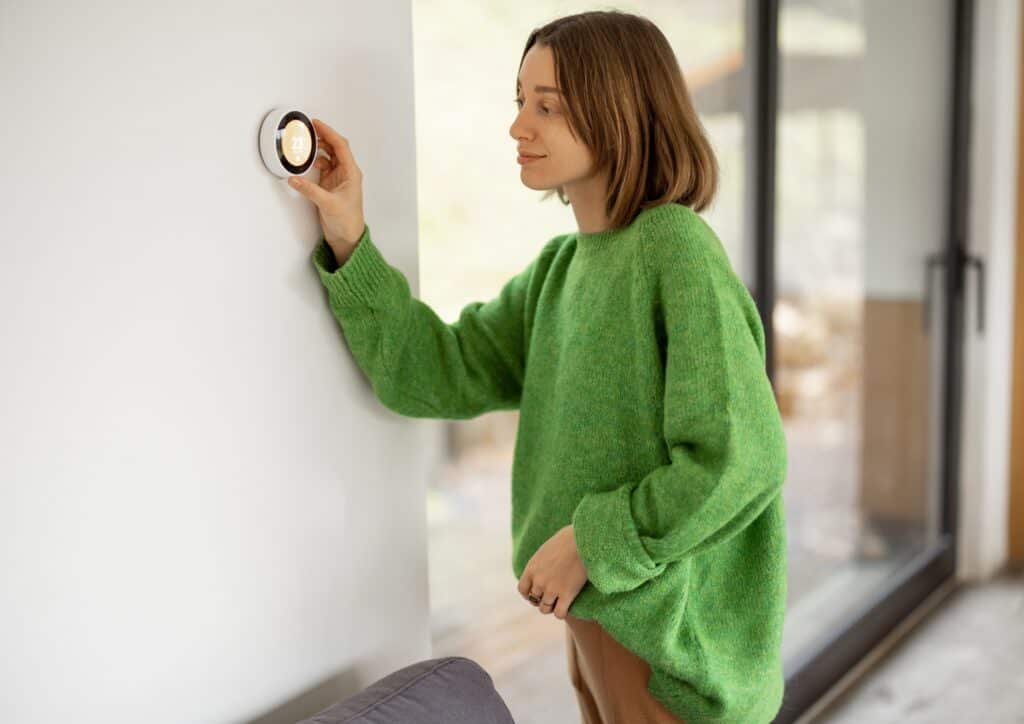
Since many VOCs are released more quickly at higher temperatures, heat can help accelerate off-gassing.
Here’s how to do it:
- Close windows and increase the indoor temperature for 4–8 hours.
- Keep people and pets out of the area during this process.
- Close doors to rooms you do not want exposed to the increased VOC levels.
- Afterward, open windows and ventilate the space thoroughly.
Heat can increase the rate at which VOCs are released. Always ventilate thoroughly afterward so those chemicals leave the home instead of accumulating indoors.
How it works: Higher temperatures increase the rate at which VOCs are released from furniture, flooring, paint, and other materials. Once those chemicals enter the air, ventilation helps remove them from the home.
This method can be especially helpful after renovations or when bringing new furniture into the home.
2. Increase Ventilation
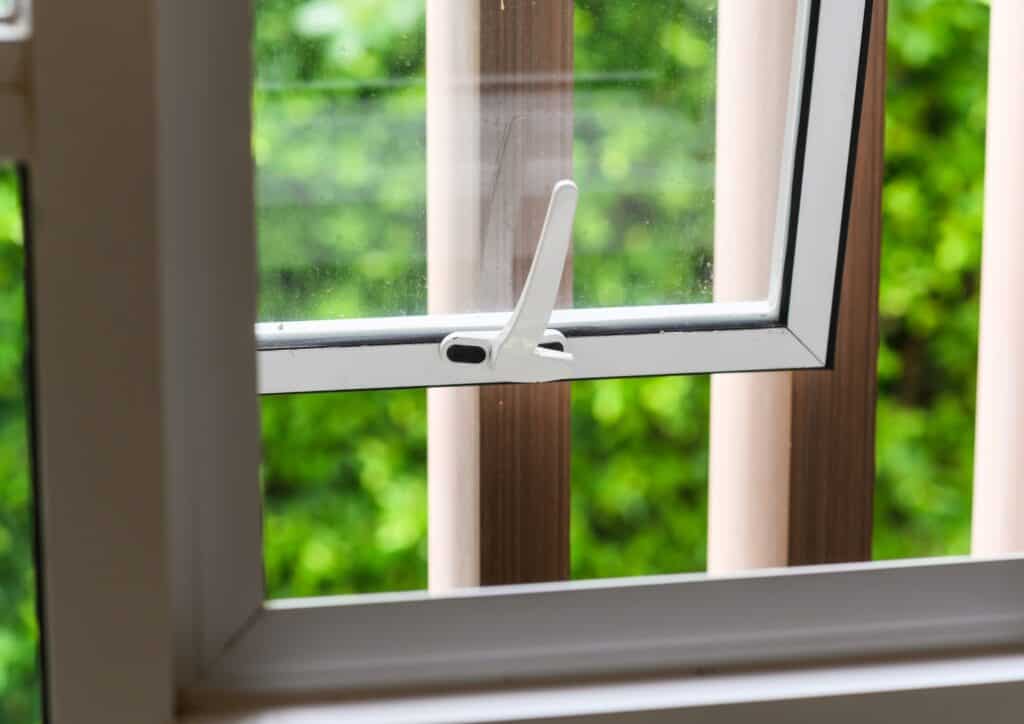
One of the most effective ways to reduce VOC levels indoors is to improve airflow.
You can do this by:
- Opening windows and doors
- Running ceiling or portable fans
- Using exhaust fans
- Using a window fan to move indoor air outside
How it works: Fresh air replaces indoor air that contains VOCs. As contaminated air leaves the home, VOC concentrations decrease and newly released chemicals are carried outdoors.
Improved ventilation also helps reduce odors and other indoor pollutants.
3. Use Activated Charcoal
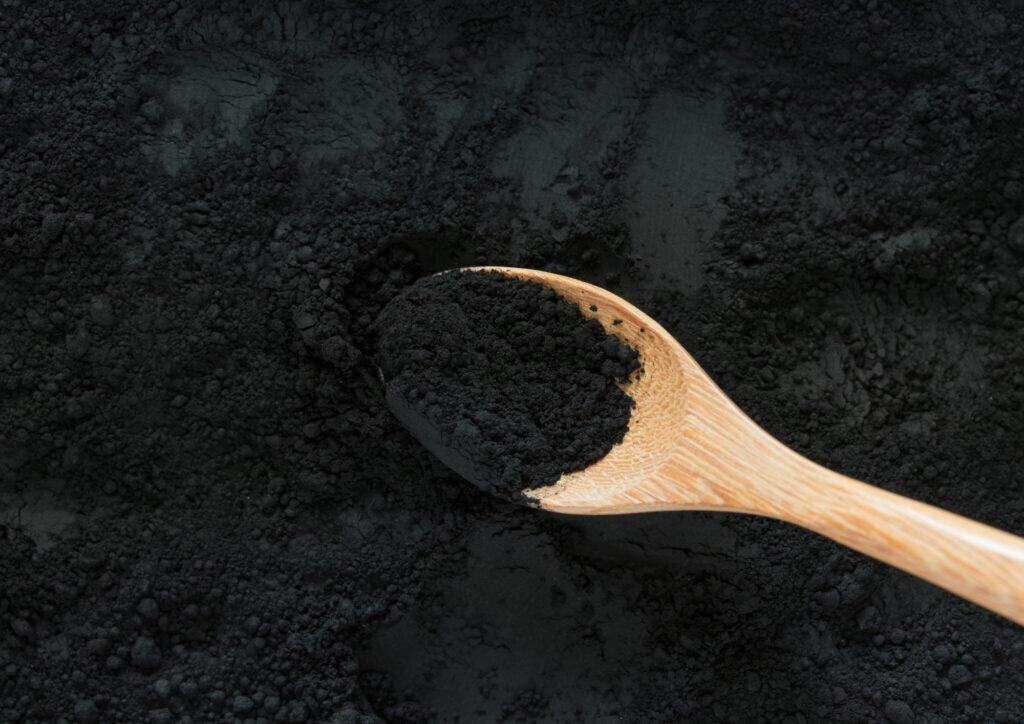
Activated charcoal, also called activated carbon, is commonly used to absorb odors and airborne chemicals.
You can:
- Place bowls of activated charcoal around a room
- Use activated charcoal odor bags
- Choose air purifiers that include activated carbon filters
How it works: Activated charcoal contains millions of tiny pores that trap many airborne chemicals. This helps reduce VOC concentrations and odors in indoor air.
4. Air Purifiers
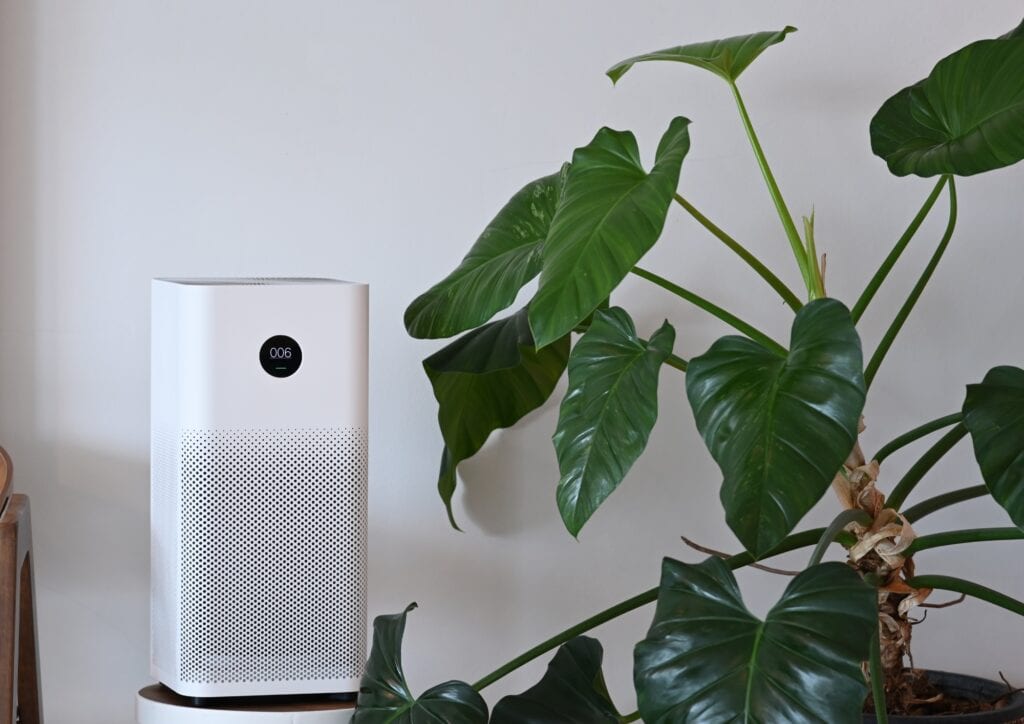
An air purifier equipped with a high-efficiency particulate air (HEPA) filter can help improve indoor air quality while new products are off-gassing.
For best results, look for a unit that contains:
- A HEPA filter
- An activated carbon filter
How it works: The activated carbon captures many VOCs and odors, while the HEPA filter removes airborne particles. Continuous filtration helps keep indoor pollutant levels lower.
5. Seal the Surface
Sealing certain products can reduce VOC emissions at the source.
Options include:
- Low-VOC sealants
- Non-toxic furniture sealants
- Products specifically designed to block VOC emissions
How it works: A sealant creates a barrier that limits the release of VOCs from the material underneath. This can be especially useful for composite wood products and unfinished surfaces.
6. Leave Items Outdoors

If practical, allow new furniture or household items to air out before bringing them indoors.
Place items:
- Outdoors in a covered area
- In a garage with good airflow
- In another well-ventilated space
How it works: Outdoor air quickly disperses VOCs and odors. Wind and constant airflow prevent chemicals from accumulating around the item.
Depending on the product, leaving it outside for several days or weeks can noticeably reduce odors before it enters your home.
7. Baking Soda
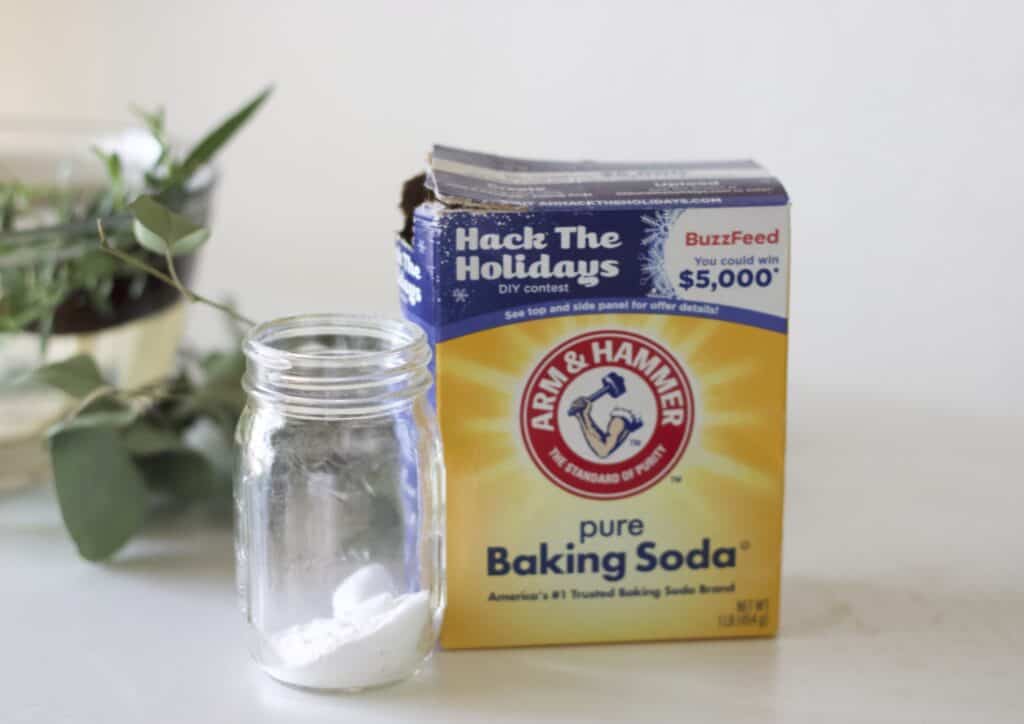
Baking soda is commonly used to absorb odors from furniture, rugs, and carpets.
To use it:
- Vacuum the item first.
- Sprinkle baking soda over the surface.
- Let it sit for several hours or overnight.
- Vacuum thoroughly.
How it works: Baking soda can help absorb some odor-causing compounds that collect on surfaces. While it is most effective for odors, many people use it alongside ventilation and air filtration to make new items smell less noticeable.
Using several of these methods together can help reduce VOC levels and shorten the time it takes for odors to fade.
How Long Does Off-Gassing Last?
Off-gassing can last anywhere from a few days to several years, depending on the product and materials involved.
Many products release the largest amount of VOCs during the first days or weeks after manufacturing. Emissions typically decline over time as the product ages.
Several factors influence how long it lasts:
- The type of product
- The chemicals used during manufacturing
- Indoor temperature
- Humidity levels
- Ventilation
Many products release the highest amount of VOCs shortly after manufacturing. Emissions often decrease over time, although some materials can continue releasing small amounts for months or years.
Final Thoughts
Off-gassing is a normal process that occurs when certain products release chemicals into the air.
While the strongest emissions usually occur when an item is new, steps such as ventilation, filtration, heat treatment, and sealing can help reduce VOC levels more quickly.
If you’re bringing new furniture or other household products into your home, using several of these strategies together can help improve indoor air quality and reduce lingering odors.