
10 Eco-Friendly Furniture Materials To Look For When Buying Sustainably


Many people notice a strong smell when they bring new furniture into their home.
In many cases, that smell comes from adhesives, finishes, foams, or other materials used during manufacturing.
According to the EPA, furniture and other household products can release chemicals that affect indoor air quality.
Choosing more eco-friendly furniture materials can help reduce those exposures while supporting more sustainable production practices.
Eco-friendly furniture materials come from renewable, recycled, or responsibly managed sources.
Materials such as bamboo, FSC-certified wood, cork, hemp, organic cotton, and natural latex are often more sustainable than many conventional furniture materials. The best options are durable, low in chemical emissions, and backed by reputable third-party certifications.
The Difference Eco-Friendly Materials Can Make
Furniture should be made with longevity in mind, not a fast furniture substitute that will break down or be too worn out for use in a year or two.
Many of these cheaper brands also use toxic materials that aren’t only bad for the environment but off-gas harmful chemicals in your home.
Choosing durable, lower-emission materials can minimize landfill waste, improve indoor air quality, and help furniture last longer.
What Are Sustainable Materials?

Sustainable materials are materials that are harvested or produced in ways that ensure they won’t run out quickly or harm the environment (or if they do, the impact is small).
Some characteristics of these materials are:
- Renewable resource
- Low Impact Harvesting
- Recycled or Upcycled (is sourced from recycled materials or can be recycled)
- Doesn’t contain harmful chemicals
- Long-Lasting
- Easily-Broken Down (Biodegradability)
- Produced with Low Energy
- Minimal or No Carbon Footprint
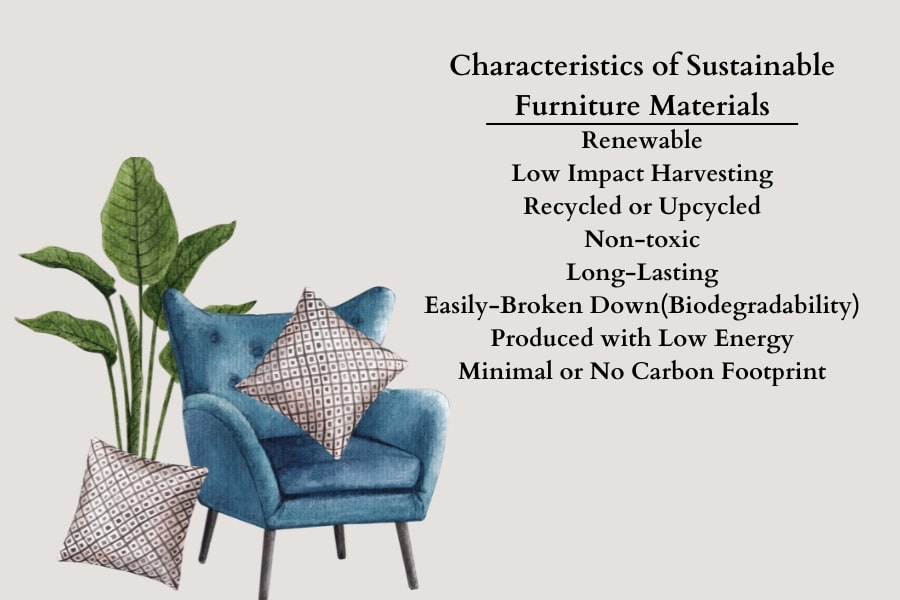
Eco Friendly Furniture Materials
1. Bamboo
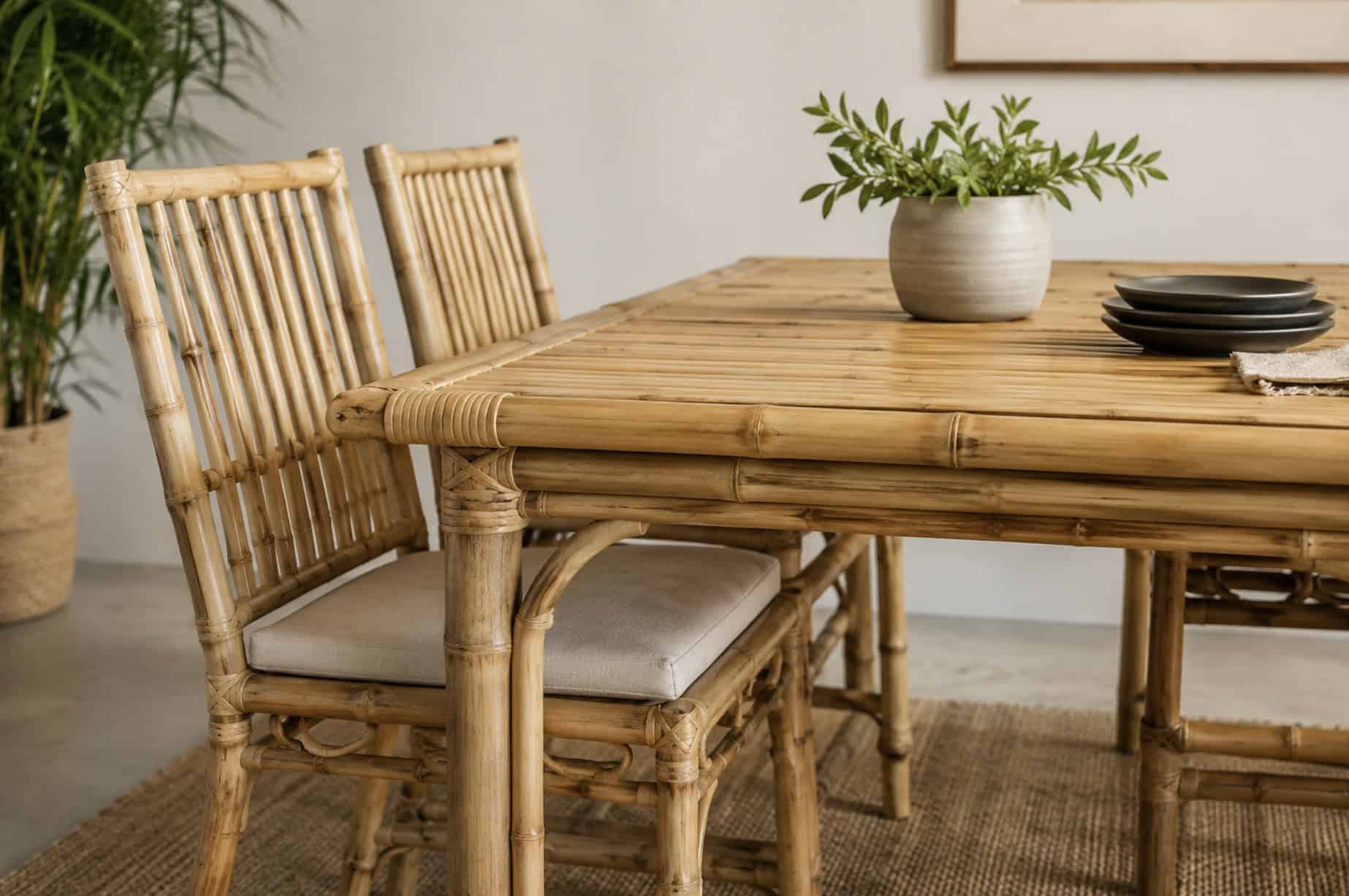
Bamboo is one of the fastest-growing renewable materials used in furniture.
It’s long-lasting and biodegradable, and because it is naturally resistant to many pests, it often requires fewer pesticides during growth.
Uses: Used in everything from flooring to chairs, tables, and even kitchenware.
2. Reclaimed Wood
This is wood that has been salvaged from old structures like barns, factories, or ships. Using reclaimed wood reduces the need for new wood, which cuts back on the need to chop down more trees.
Uses: Often used for dining tables, coffee tables, cabinets, and furniture frames.
3. FSC-Certified wood
FSC-certified wood is sourced from forests that are managed responsibly, meaning they have standards designed to protect ecosystems, wildlife, and local communities.
The certification helps verify that wood comes from responsibly managed forests.
Uses: Just about any wood furniture, from dressers to bed frames, can be made from certified sustainable wood.
4. Cork
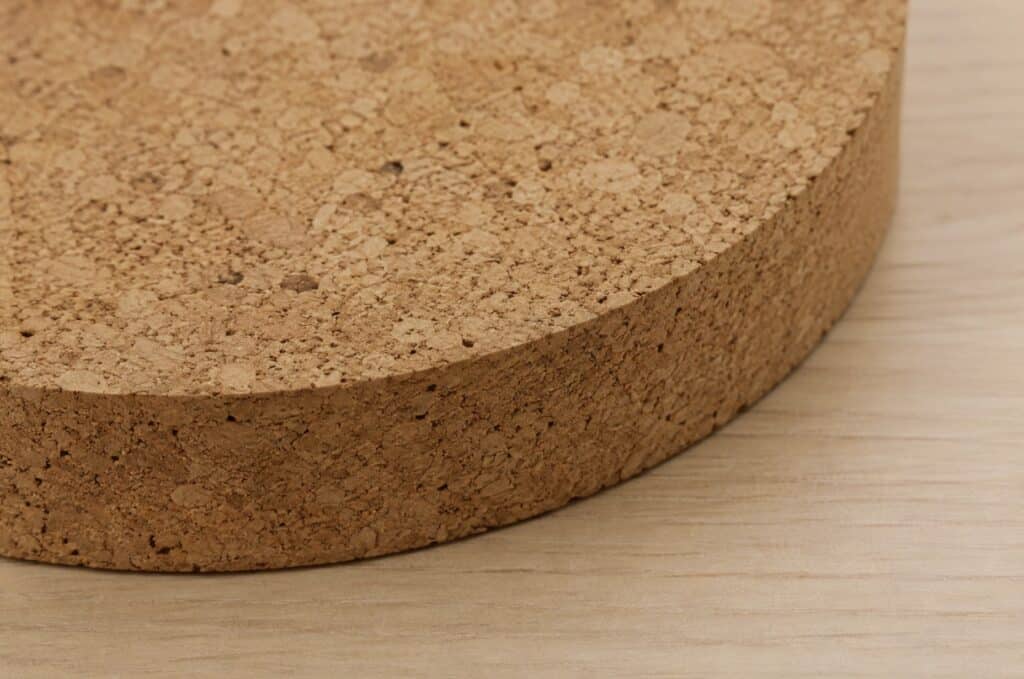
Cork is harvested from the bark of cork oak trees. It’s biodegradable, recyclable, and even has natural antibacterial properties.
Uses: Often seen in flooring, it’s also used for bulletin boards, stools, and side tables. There are even yoga mats made of cork.
5. Recycled Metals

Metals, such as steel, can be recycled repeatedly without losing quality. Using recycled metals reduces the energy-intensive process of creating new metals.
Uses: Used in all sorts of furniture including chairs, table bases, and bed frames.
6. Recycled Glass
Uses: Tabletops, decorative accents, and lamp bases.
Recycled glass repurposes old glass which decreases the demand for new raw materials and energy for production.
7. Organic Cotton

Unlike conventionally grown cotton, organic cotton is produced without synthetic pesticides and fertilizers.
However, even organic cotton can still leave a big carbon footprint given the farming, transportation, and manufacturing processes involved.
But it’s still a more eco-friendly alternative to conventional cotton or polyester furniture items.
Uses: Used in upholstery, cushion covers, and pillows.
8. Hemp
Hemp is quickly renewable, requires minimal chemicals for growth, and results in a sturdy fabric perfect for furniture upholstery.
Uses: Often woven into fabric for couches, chairs, and decorative pillows. It can also be blended with other fibers.
9. Natural Latex

Used in furniture cushioning, natural latex is derived from the sap of the rubber tree.
It’s biodegradable and doesn’t release harmful off-gases like some synthetic alternatives.
Uses: Commonly used in mattresses, mattress toppers, seat cushions, and sofa fillings.
10. Natural Linen
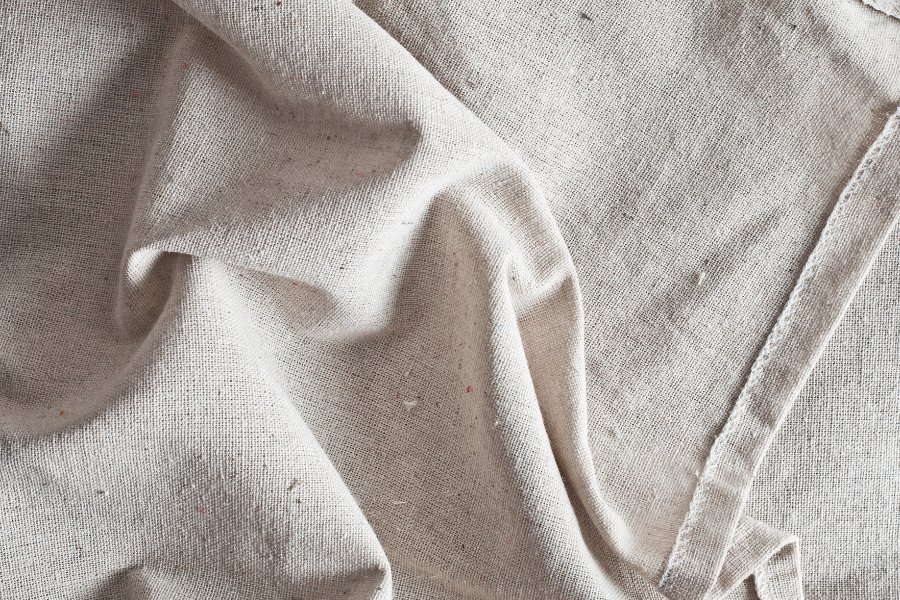
Linen, derived from the flax plant, has been used for thousands of years in items from clothing to home goods.
In furniture, linen has become a popular choice as it’s durable, comfortable, and sustainable.
Uses: Used in upholstery, cushion covers, curtains, and table linens
Certifications to Look For
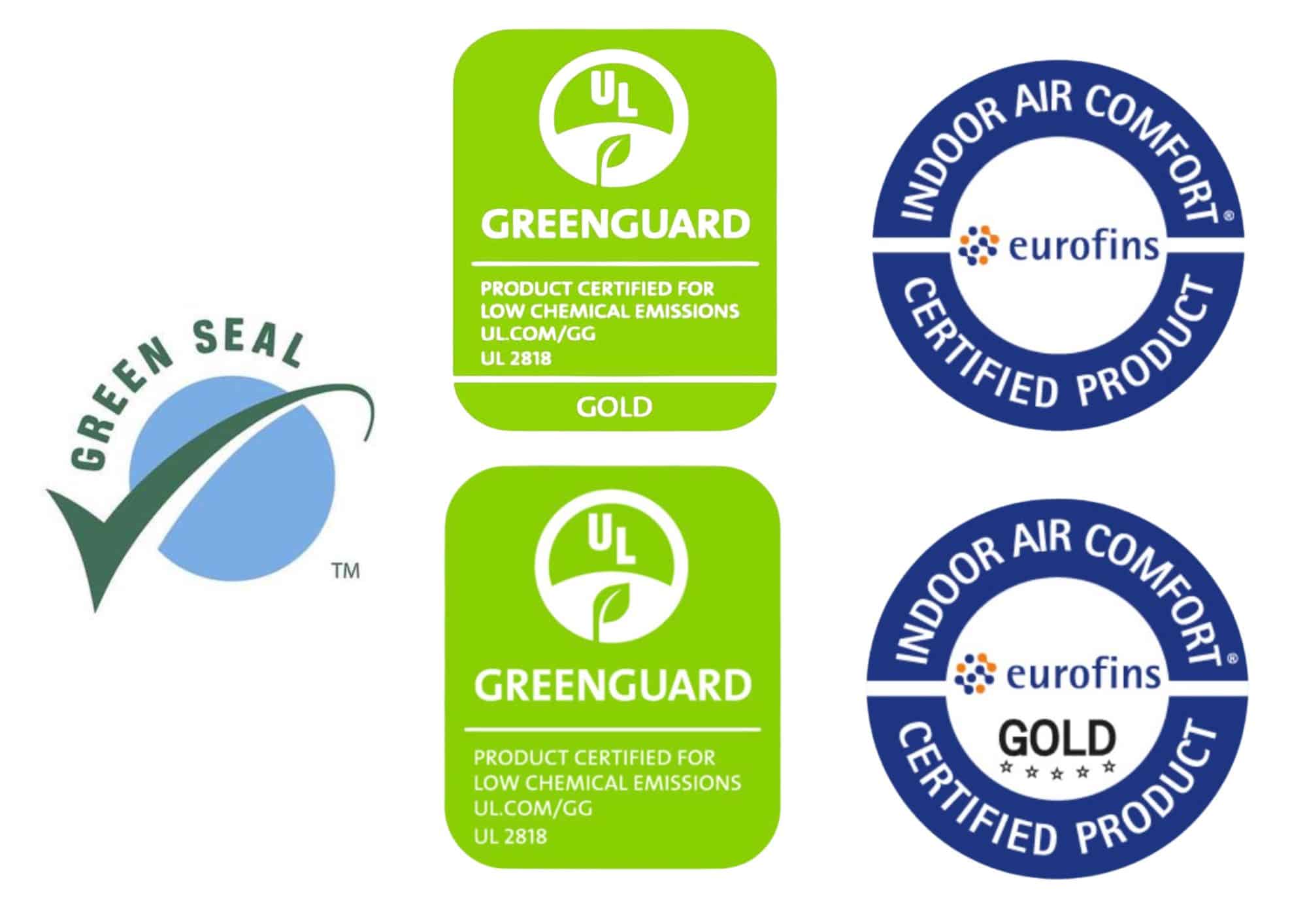
Don’t rely solely on marketing claims. Look for certifications that help verify a company’s materials and practices.
Third-party certifications like the ones below make sure a piece of furniture or a brand/company is legit.
These certifications help verify environmental and safety claims through independent testing.
If a company claims to be eco-friendly or non-toxic and has zero third-party certifications, be very wary.
For example, a wood furniture company that claims to be natural, sustainable, or eco-friendly should have either a Forest Stewardship Council (FSC) or Sustainable Forestry Initiative (SFI) certification.
Legit eco-friendly furniture materials will have at least one of these certifications:
- Forest Stewardship Council (FSC)
- Sustainable Forestry Initiative (SFI)
- Green Seal
- Global Organic Textile Standard (GOTS)
- Global Organic Latex Standard (GOLS)
- MADE SAFE
- OEKO-TEX® Standard 100
- GREENGUARD Gold Certification
Materials to Avoid
In learning what to look for in non-toxic furniture, we’ve also learned what to be cautious of.
Here are some materials to be cautious of:
- Non-Sustainably Harvested Wood: If wood isn’t certified by organizations like the Forest Stewardship Council (FSC) or the Programme for the Endorsement of Forest Certification (PEFC), it might come from illegal logging or non-sustainably managed forests.
- Particleboard, MDF, and Cheap Plywood: These materials often rely on engineered wood products and adhesives that can release formaldehyde and other VOCs into indoor air. The type of adhesive used can make a significant difference in emissions.
- Non-Organic or Non-Certified Textiles: Textiles that aren’t organic or certified might have been produced using pesticides, chemical dyes, or processes that pollute water sources.
- Non-Recycled Metals: Mining for new metal ores can be very damaging to the environment.
- Unethical Down or Animal Products: If considering furniture with down fill or other animal-derived products, ensure they are ethically sourced.
- For instance, look for Responsible Down Standard (RDS) certifications.
- Exotic Woods: Woods like teak, mahogany, and rosewood might be harvested from endangered forests or ecosystems.
- Flame Retardants: While these chemicals are intended to prevent fires (which they don’t even do that well), they’re also linked to endocrine disruption and certain cancers.
- PVC (Polyvinyl Chloride): Used in cheaper furniture, PVC can release toxic chemicals. It’s also non-biodegradable and hard to recycle.
- High-Gloss, Synthetic Lacquers: These can contain high levels of solvents and VOCs.
If you cannot find information about materials or certifications, contact the company directly.
Any non-toxic brand should be very transparent about all the materials they use.