Are Leather Couches Toxic? A Simple Guide

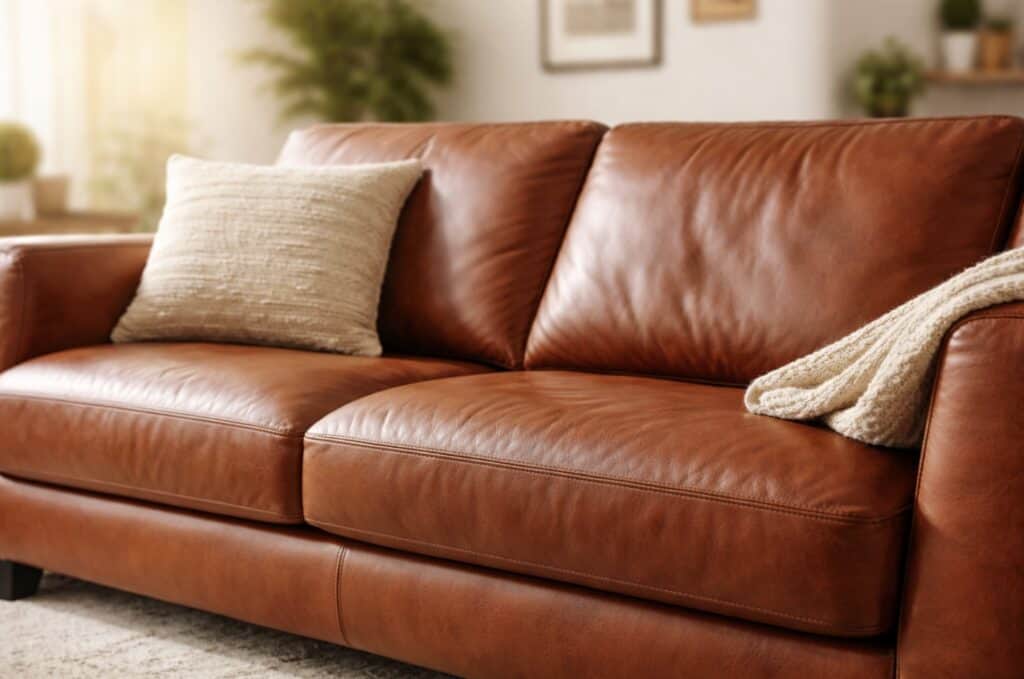
Leather couches can seem like a more natural choice than synthetic upholstery, but the real question is how to judge whether a couch is toxic in the first place—not just what covers the surface.
It is the full construction of the couch, including finishes, foam, adhesives, and any composite wood that may affect indoor air quality.
That matters because, as the EPA explains, indoor pollution sources that release gases or particles are a primary cause of indoor air quality problems, and furniture can be part of that picture.
In this article, we will look at what can make a leather couch more or less concerning and how to think about it in a real home.
Leather couches are not automatically toxic, but they are not automatically low-tox either.
What matters most is the full couch, not just the leather surface.
A leather label does not automatically tell you about the foam, finishes, glue, or frame materials inside.
What Can Make Them Concerning
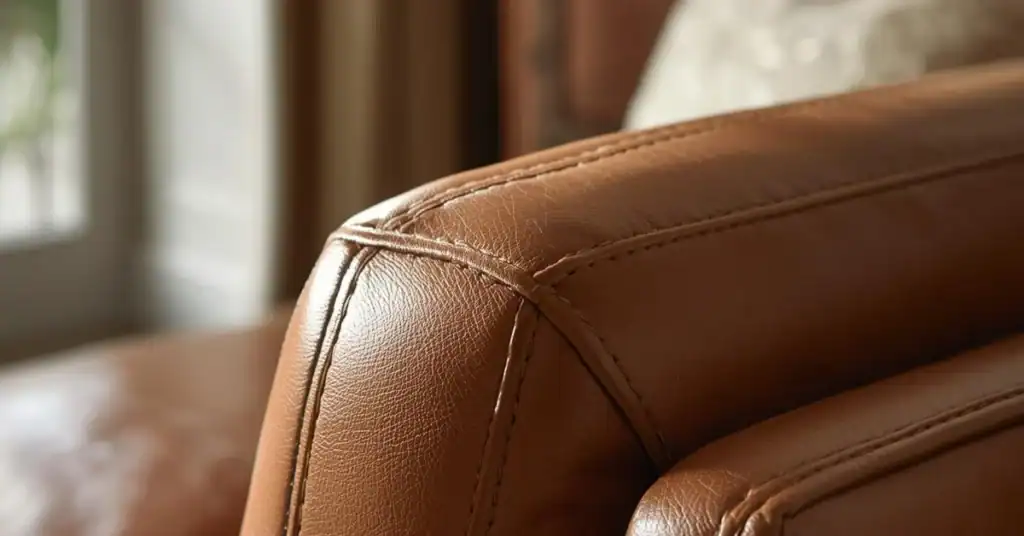
More Than the Leather
The outside material is only one part of the couch. A leather sofa can still contain several materials that affect indoor air.
Common sources include:
- Surface finishes used to change color, sheen, or stain resistance
- Adhesives and glues used during assembly
- Polyurethane foam inside cushions and arms
- Composite wood in the frame or support panels
- Extra treatments added for water, stain, or odor control
This is why two leather couches can feel very different in a home. One may have fewer added materials.
These differences are not unique to leather and also apply to synthetic upholstery materials like faux leather, which can vary just as much depending on how they are made.
Two couches can both be labeled leather and still have very different materials inside.
Another may include more foam, more glue, and more treated parts.
Research on indoor air has focused on these materials because furniture and finishes can add VOCs and formaldehyde to indoor spaces.
A review in PubMed Central notes that furniture, building materials, and household products are common indoor pollution sources and can increase the amount of VOCs you breathe in
REAL-LIFE EXAMPLE

You buy a leather couch that smells strong when it arrives, even though the tag highlights the leather upholstery. That tells you the leather is only one part of the product, and the odor may also be coming from the foam, glue, or finishes. The leather label alone does not confirm what is inside the cushions or frame.
New Couch Off-Gassing
New couches often smell the strongest at the start. That smell can come from the finishes, adhesives, foam, or wood-based parts.
If a new couch has a strong smell, open windows and increase airflow during the first days or weeks. That can make the room more comfortable while the product airs out.
Off-gassing usually matters more when:
- the couch is brand new
- the room is small
- windows stay closed often
- several new items arrive at the same time
This section is not about proving that every odor is dangerous.
It is about understanding why a leather couch can still affect indoor air, even when the surface looks like a simpler material choice.
Why Leather Couches Raise Concern

Leather couches come up in health and indoor air conversations for a simple reason. They can combine several materials in one product, and each one can affect the air inside a home.
Researchers and health agencies pay attention to furniture because indoor exposures add up over time.
For leather couches, the concern is usually tied to the full build, such as:
- VOCs from finishes, adhesives, and other treated parts
- Formaldehyde from some composite wood materials inside the frame
- Foam and added treatments that may introduce extra chemicals into the product
Exposure research often looks at the total indoor picture. Small contributions from several household items can matter more than one material alone.
Couches get attention because they are large, used daily, and placed where people spend many hours..
Some of this concern has also shaped regulation.
The EPA sets standards for formaldehyde emissions from certain composite wood products, including particleboard, MDF, and hardwood plywood, because these materials can affect indoor air quality.
People who want to reduce exposure are often trying to lower their overall indoor chemical load.
That may matter more for babies and kids, for people with sensitivities, or for homes filled with several new furnishings at once.
How to Judge One at Home
Questions Worth Asking
You do not need a chemistry degree to judge a couch. You just need a few clear questions.
Start with these:
- What is the frame made from?
- Does it contain particleboard, MDF, or plywood?
- What is inside the cushions?
- Are there stain-resistant or water-resistant treatments?
- Has the couch been tested for low chemical emissions?
- Can the company share a materials list or product spec sheet?
Copy the material questions into a note on your phone before shopping. It makes it easier to compare brands side by side.
At The Goodness Well, we look at a couch as a whole-material product, not just an upholstery choice.
If a brand cannot answer basic material questions, that tells you something too. A vague product page makes it harder to judge what will be in your home every day.
Labels That Help

Some labels are more useful than others.
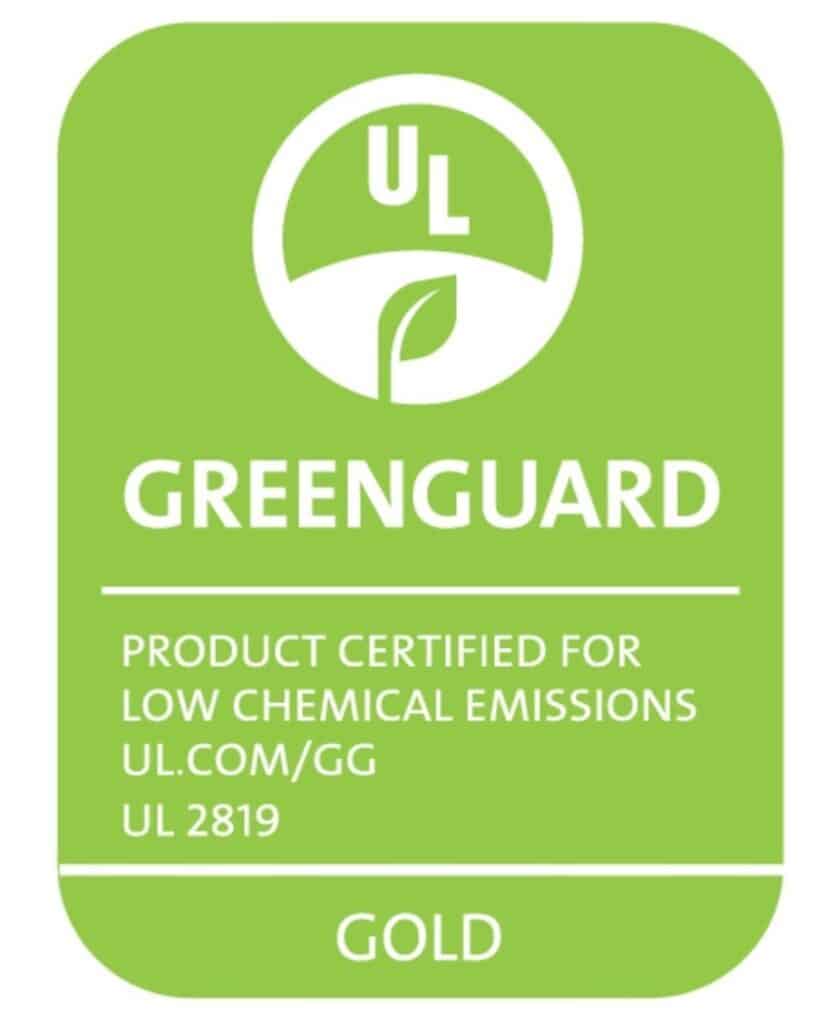
A certification such as UL GREENGUARD Gold can help because it means a product was tested for low chemical emissions.
Helpful labels or disclosures may include:
- GREENGUARD Gold
- TSCA Title VI compliant
- clear material and foam details
- written answers about added treatments
A label can help narrow the field. It does not answer everything.
For example:
- a low-emissions label does not tell you whether the couch uses top-grain leather
- a leather label does not tell you whether the frame contains composite wood
- a “natural” claim does not confirm third-party testing
The best choice is usually the one with the clearest paperwork, not the prettiest marketing words.
Key Takeaway: Clear material details are usually more useful than broad “natural” claims.
Simple Ways to Choose a Lower-Toxic Couch

You do not need a perfect couch. Focus on reducing unknowns and avoiding unnecessary additions.
The bottom line is simple:
- Leather is not automatically low-tox
- Leather is not automatically a problem either
- The full construction matters more than the leather label alone
When shopping, pay attention to:
- the full construction (not just leather, fabric, or synthetic materials like polyester)
- what the cushions and frame are made from
- whether extra treatments are added
When comparing two couches, choose the one with clearer written material disclosures. Fewer unknowns usually make the decision easier.
Look for:
- clear material disclosures from the company
- simpler designs with fewer added features
- certifications like GREENGUARD Gold when available
Try to avoid:
- stain-resistant or water-repellent coatings
- strong chemical odors at purchase
- vague terms like “natural” without details
After bringing it home:
- increase airflow for the first few days
- let the couch air out before heavy use
Bottom line:
Choose the option with the fewest added treatments and the clearest material information.
Conclusion
Leather couches are not automatically toxic, but they are not automatically low-tox either.
The material on the outside only tells part of the story, so the most useful question is what the whole couch is made of and whether the company is clear about it.
That nuance can feel frustrating, but it also gives you a practical path forward. You do not need a perfect option.
You just need a couch with fewer unknowns, fewer added treatments, and better material transparency for your home.