What Is The Safest Plastic? The 7 Plastics Explained

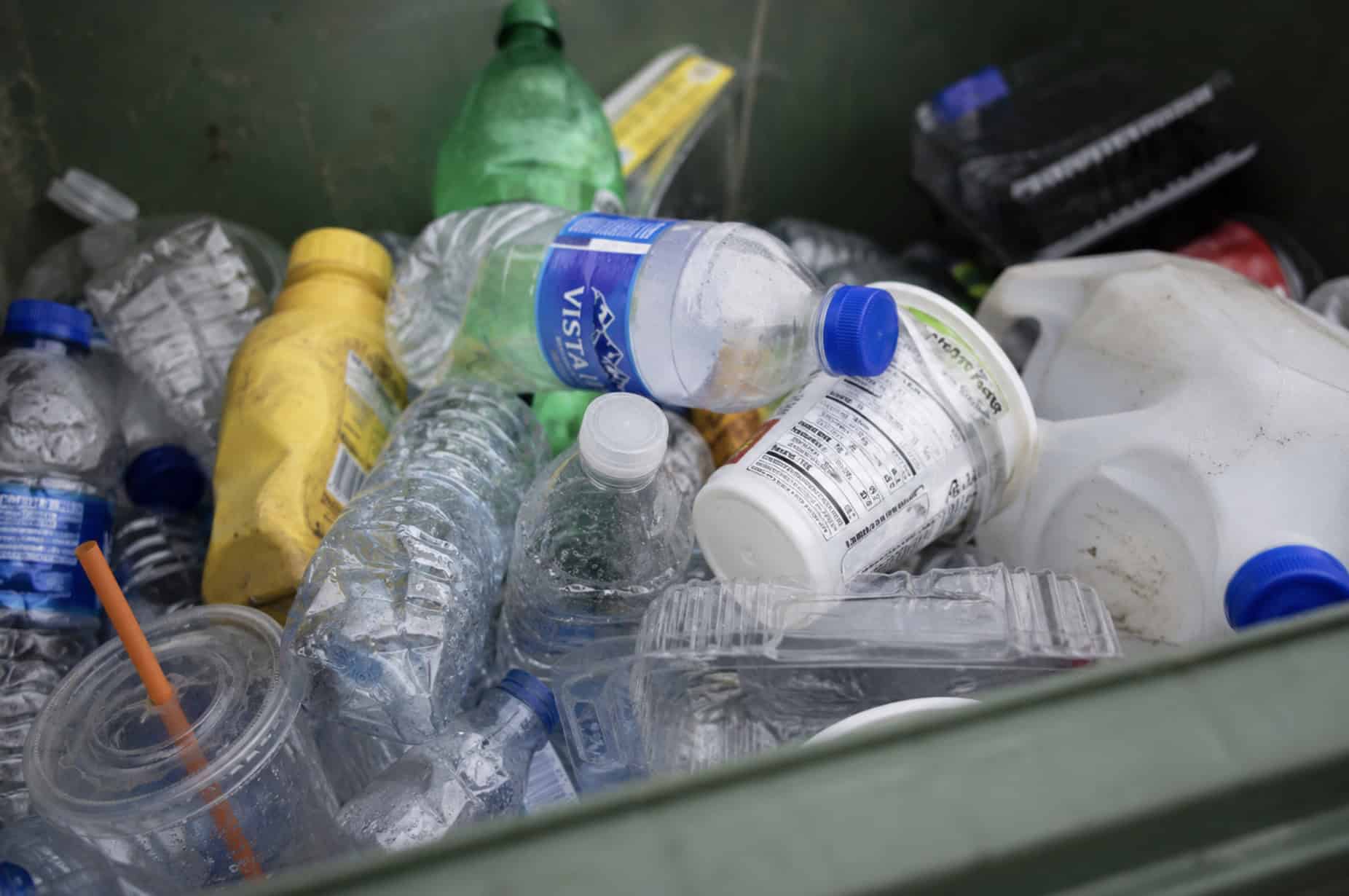
Plastic is used in everything from water bottles and food containers to toys and packaging.
While some plastics are considered safer than others, not all plastics are created equal when it comes to food contact and chemical exposure.
Research has found that certain plastics can release chemicals into food and beverages under some conditions, making it important to understand the different types.
This guide explains the seven common plastic categories and which ones are generally considered the safest choices.
The safest plastics for food and beverage use are generally #2 (HDPE), #4 (LDPE), and #5 (PP).
These plastics have fewer known concerns than plastics such as PVC (#3), polystyrene (#6), and some plastics in category #7.
What Is The Safest Plastic?
The safest plastic to use is those plastics labeled with the recycling numbers 2, 4 and 5.
But where are these plastics commonly found, and what about the others?
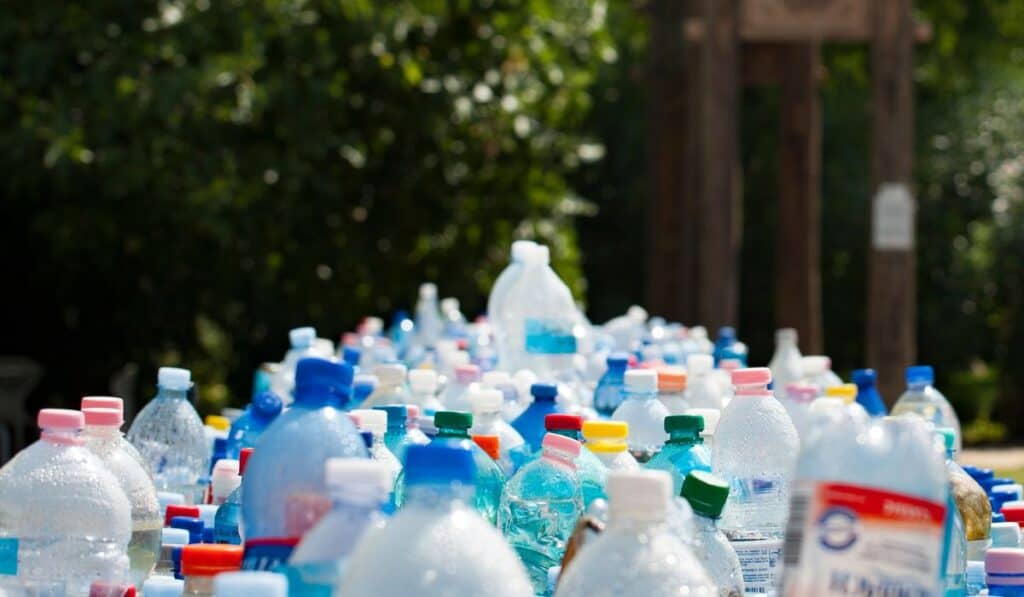
There are 7 common types of plastic each identified by a specific number – from one to seven. You can find these numbers imprinted on almost anything plastic you use.
Let’s take a closer look at them and their levels of safety:
#1 Polyethylene Terephthalate (PET or PETE):
Used in drinking bottles and many food containers. A study found PET bottles could release toxins like endocrine disruptors.
Is PET Safe? No.
#2 High-Density Polyethylene (HDPE):
Used in toys, milk jugs, recycling bins, and some plastic bags. There are no studies indicating HDPE is linked to health problems in humans.
Is HDPE Safe? Yes
#3 Polyvinyl Chloride (PVC or V):
Used in some cling wraps, toys, and packaging for non-food items. This plastic can contain phthalates, which are known hormone disruptors.
Is PVC Safe? No.
Recycling numbers identify the type of plastic used to make a product. They do not indicate whether an item is recyclable in your area.
#4 Low-Density Polyethylene (LDPE):
Used in shopping bags, tubing, bottles, and even some computer parts.
Current research has not identified significant health concerns associated with LDPE when used as intended.
Is LDPE Safe? Yes.
#5 Polypropylene (PP):
Used in containers for yogurt, margarine, takeout meals, and deli foods. Also used for bottle tops and baby bottles. We have a whole post discussing polypropylene, as it’s one the most abundant plastics out there.
Current research has not identified significant health concerns associated with polypropylene when used as intended.
Is PP Safe? Yes
#6 Polystyrene (PS or Styrofoam):
Used in many different items including disposable plasticware, insulation, test tubes, and even toys.
While some older studies and resources indicate links to cancer and cell harm, a recent study on the long-term effects of polystyrene notes that polystyrene did not appear to cause DNA damage or oxidative stress.
However, cheap versions of polystyrene commonly used in fast food containers can contain PFAS, the so called “forever chemical” you (and our environment) don’t want any part of.
So we recommend skipping this one.
Is PS Safe? No.
#7 Other (often Polycarbonate or PC, but also other plastics):
Used in 5-gallon water jugs, some baby bottles, and some metal can linings.
Polycarbonate plastics can potentially leach Bisphenol A (BPA), a chemical with potential health concerns, especially when heated. The safety of this category of plastics can vary widely depending on the specific type.
Is PC Safe? No.
Resons to Consider Limiting Plastic Use
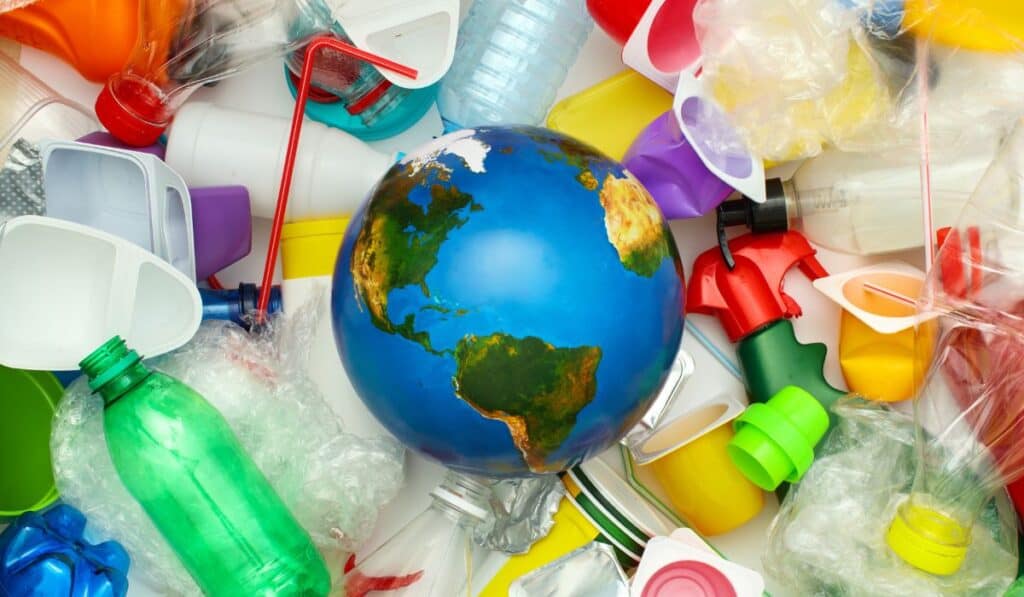
While certain plastics are considered ‘safe’ for direct use, the environmental impact of plastic production and disposal has indirect, harmful effects on our health.
How so?
Here are a few points:
- Energy-Intensive Production: Making plastics uses a lot of energy and contributes to air pollution.
- Greenhouse Gas Emissions: The production process releases harmful gases, contributing to climate change.
- Long Decomposition Time: Plastics can take hundreds of years to decompose, causing long-term environmental damage.
- Litter and Ocean Pollution: Discarded plastics lead to littered landscapes and polluted oceans.
- Microplastics: Over time, plastics break down into tiny particles, which can be ingested by wildlife and enter our food chain.
- Water Pollution: Plastic production and decomposition can contaminate our drinking water supplies, potentially leading to diseases.
- Indirect Health Impact: By harming our environment with plastics, we indirectly harm ourselves.
What to Use Instead
There are many alternatives to plastic that you can consider:
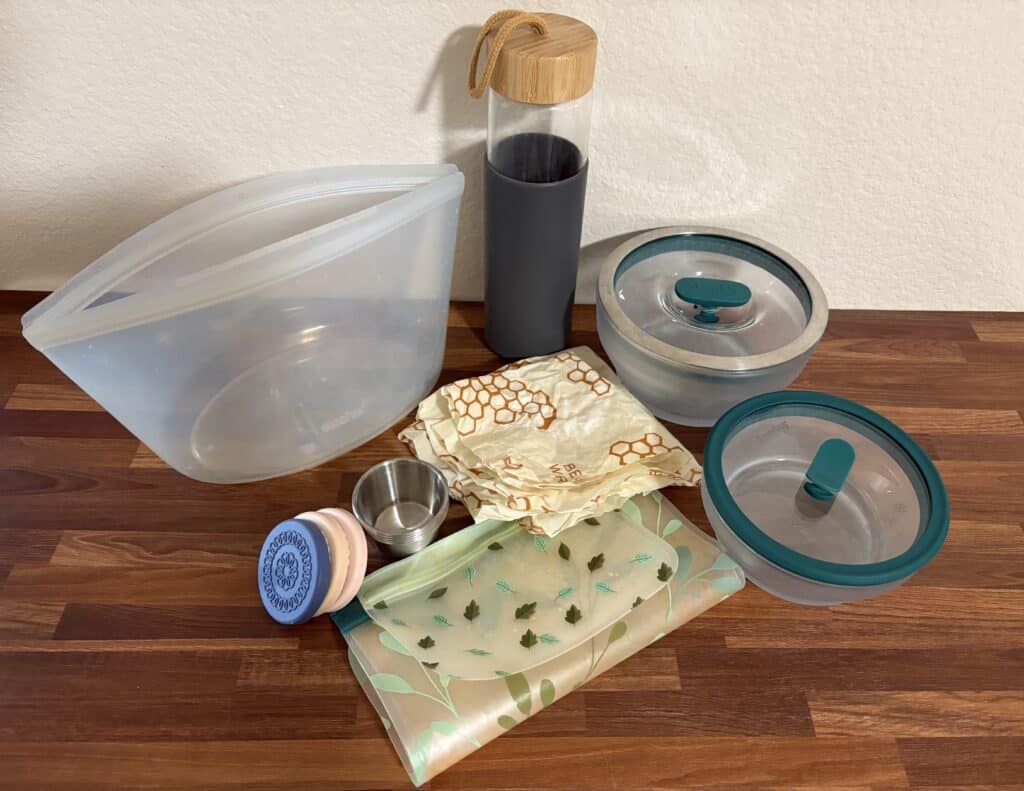
- Glass: This is a durable, reusable option for food and beverage storage. It is also recyclable in many areas, although recycling programs vary by location.
- Metal: Stainless steel or aluminum can be used instead of plastic for things like water bottles, straws, and food containers. These materials are durable and reusable, though their production requires significant energy and mining resources.
- Cloth: Cloth bags can replace plastic bags. You can also use cloth instead of plastic wrap to cover food.
- Bamboo: Bamboo is a fast-growing resource that can be used to make items like toothbrushes, utensils, and straws.
- Silicone: Although a type of synthetic rubber, silicone is heat resistant and safe for food storage.
- Paper or Cardboard: These can replace plastic in some packaging.
- Biodegradable Plastics: These are made from plant materials like corn or potato starch. They break down faster than normal plastics, but they still need specific conditions to decompose properly.
Remember, the goal is to reduce, reuse, and recycle whenever possible.
Even when using alternatives, it’s important to avoid single-use items and choose reusable options instead
Conclusion
Although plastics like High-Density Polyethylene (HDPE), Low-Density Polyethylene (LDPE), and Polypropylene (PP) are safer for human use, it’s crucial to consider the broader environmental implications of plastic production and disposal.
Plastics contaminate our landscapes and oceans, with harmful microplastics entering the food chain. Water sources also face the risk of contamination, leading to potential diseases.
Even as we make informed decisions about the types of plastics we use, it’s important to remember that the ultimate goal should be reducing our overall reliance on plastics for a healthier, more sustainable future.
It’s also worth noting that alternatives such as glass, metal, paper, and bamboo have environmental impacts of their own, which is why reducing unnecessary consumption and prioritizing reusable products remains one of the most effective strategies.
Here are some more questions frequently asked about the safety of plastics.
The safest plastic water bottle is those made of Polypropylene, recognized as recycling number 5.
The safest plastic for food is those made of Polypropylene, recognized as recycling number 5.
The safest plastic numbers for use are those labeled with the recycling number 5.
Generally, plastics labeled #3 (PVC), #6 (PS), and #7 (Other, often polycarbonate) are the most commonly avoided due to potential chemical concerns. Some people also choose to limit the use of #1 (PET) containers, especially for repeated use or exposure to heat.