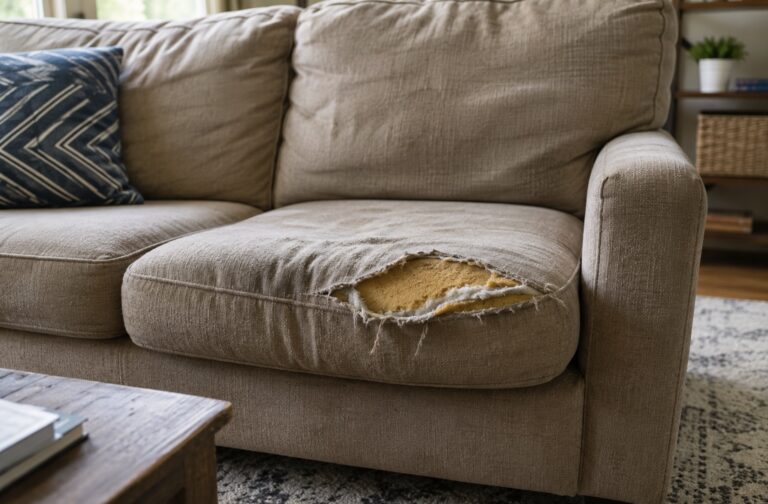
Are Wood Finishes Toxic? Stains, Sealants, and Varnishes Explained


Wood stains, sealants, varnishes, lacquers, and polyurethane coatings protect wooden surfaces, but some can also affect the air inside your home.
The U.S. Environmental Protection Agency explains that varnishes and similar household products may contain organic solvents that release volatile organic compounds into the air.
For most people, the question isn’t which wood finish to apply—it’s whether the finish on a new dining table, dresser, bed frame, or bookshelf is something to worry about.
Understanding how different finishes behave can help you compare furniture more confidently and know which questions to ask before you buy.
Some wood finishes can be harmful before they fully cure.
Safety depends on the formula, VOC level, ventilation, and curing time.
Labels like “water-based” or “low-VOC” can help, but they do not guarantee zero emissions.
Are Wood Finishes Toxic?

Wood finishes are not automatically toxic. The main issue is the chemicals they release during application and curing.
Solvents and volatile organic compounds (VOCs) can enter the air as the finish dries.
Researchers study VOC exposure because high indoor concentrations can irritate the eyes, throat, and lungs.
A review published through PubMed Central also explains that emissions vary by wood product, coating, temperature, and ventilation.
The formula makes a major difference. Solvent-based lacquers, varnishes, and oil-based polyurethane often release more VOCs than many water-based products.
However, a “water-based,” “natural,” or “low-VOC” label does not mean the finish releases nothing.
VOCs evaporate from liquid finishes into the surrounding air. The amount released depends on the formula and how far the finish has cured.
A finished surface usually presents less exposure after it has completely cured. Freshly coated furniture, strong solvent odors, and finishes with unclear ingredients deserve closer attention.
Two pieces of furniture made from the same wood can have very different emissions depending on the finish used.
When Exposure Is Highest

If you’re buying new furniture, the first few days after delivery are often when emissions are highest.
If you are applying a coating yourself, exposure is typically highest during application and while the finish cures.
The amount in the air also depends on the room and the project. Exposure increases with:
- Poor ventilation
- Large coated surfaces
- Several coats applied close together
- Warm indoor temperatures
- Furniture brought inside before curing is complete
A PubMed Central review of indoor VOCs explains that poor ventilation allows these chemicals to reach much higher indoor concentrations.
Opening windows and using exhaust fans helps replace polluted air with fresh air.
Children and people with asthma, migraines, or chemical sensitivities may notice fresh finishes sooner.
Labels and Finish Types
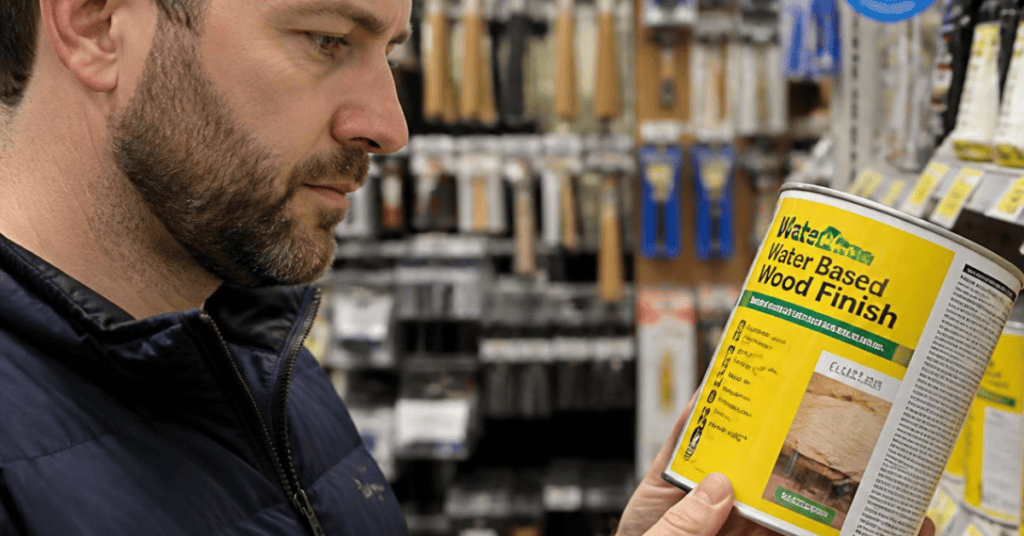
Water-Based vs. Oil-Based
The finish type offers a useful starting point, but it does not provide a complete safety verdict.
Solvent-based varnishes, lacquers, and polyurethane finishes generally release more VOCs than water-based coatings. They may also produce stronger odors and require more time to cure.
Water-based finishes use water as the main carrier. The EPA explains that water-based coatings generally contain fewer VOCs than solvent-based options.
However, they may still contain solvents, preservatives, and other additives.
Other finish types have different tradeoffs:
- Plant oils and waxes may use simpler formulas, but some contain added solvents or drying agents.
- Shellac uses a natural resin, but many formulas contain alcohol as a solvent.
- UV-cured finishes harden at the factory and may release fewer chemicals after delivery.
- Oil-based finishes can provide strong moisture resistance but often take longer to cure.
Some plant-based finishes still contain added solvents, preservatives, or drying agents.
Check the full product details instead of relying only on the finish category.
Certifications are Key
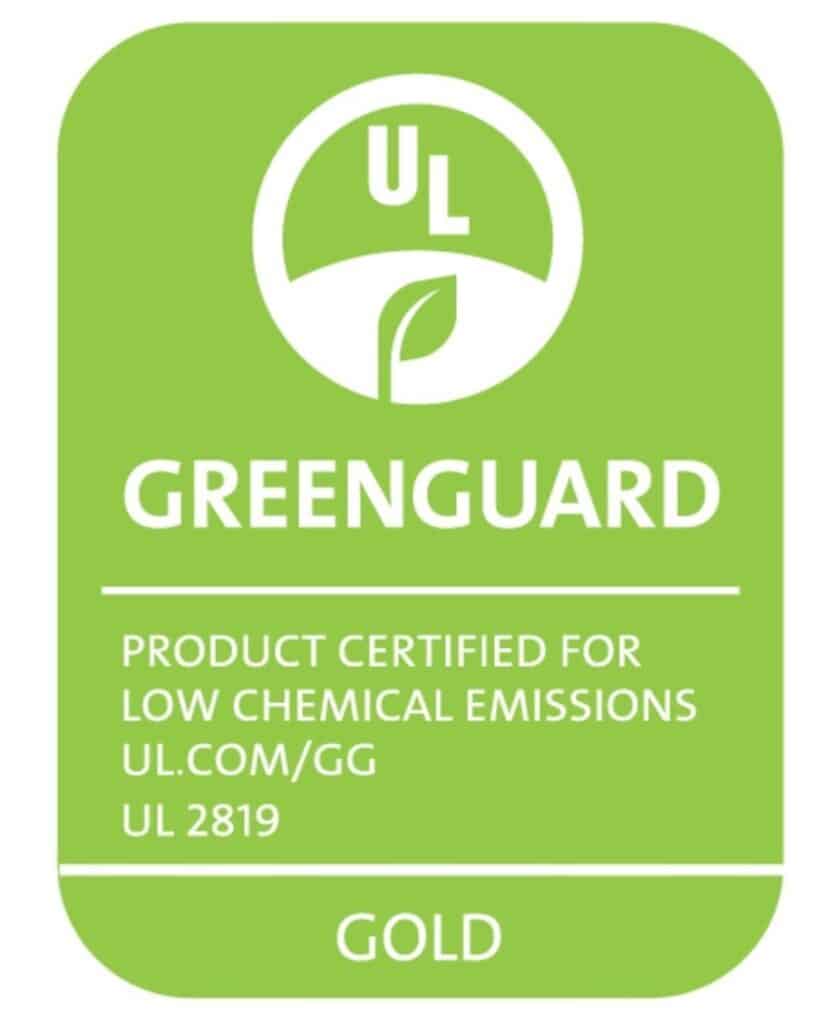
If you’re shopping for furniture, looking for third-party certifications to verify indoor air emissions is key to limiting exposure.
If you’re applying a finish yourself, pay closer attention to the product’s VOC content, Safety Data Sheet (SDS), and application instructions.
“Low-VOC” and “zero-VOC” usually describe the amount of regulated VOCs in the liquid product. These labels do not prove that a finish releases no chemicals indoors.
The EPA warns that some products carrying these claims can still contain volatile chemicals excluded from certain regulatory definitions.
For furniture shoppers, certifications like GREENGUARD Gold make it easier to compare products with lower chemical emissions.
GREENGUARD certifications focus on emissions from the completed product.
According to UL Solutions, GREENGUARD Gold sets stricter limits and evaluates more than 360 VOCs alongside total chemical emissions.
Emissions testing measures chemicals released from a finished product under set conditions. It does not provide a complete ingredient list.
These certifications help identify furniture that releases fewer chemicals under test conditions. They do not guarantee that:
- Every ingredient is disclosed
- The finish contains no potentially irritating substances
- A sensitive person will tolerate the product
- The wood, adhesives, and other materials meet separate sustainability standards
Use emissions testing alongside ingredient transparency, curing information, and the manufacturer’s safety documentation.
How to Choose Safer Finishes
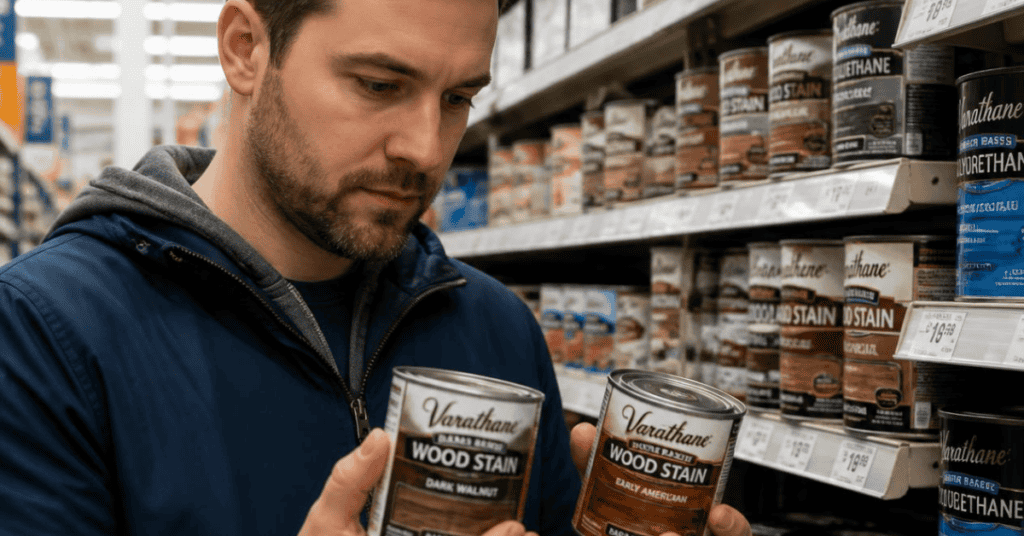
Start by asking for the exact finish name. Terms like “eco-friendly” or “natural” do not reveal the full formula.
Search the finish name with “safety data sheet” to find ingredient, handling, and ventilation details.
When comparing products, look for:
- Zero- or ultra-low-VOC formulas
- Full ingredient or safety data sheets
- Independent emissions testing
- Clear drying and curing instructions
- No added fragrance or unnecessary solvents
A review available through PubMed Central recommends choosing low- or no-VOC coatings to reduce indoor pollutant sources.
Ventilation still matters because even low-VOC products can release chemicals while curing.
Plant-based oils and waxes may have shorter ingredient lists. However, some contain citrus solvents, drying agents, or added preservatives.
For finished furniture, ask the manufacturer:
- Which finish was used?
- Was it applied at the factory?
- How long has it cured?
- Was the completed product tested for emissions?
Ask for the full curing time, not only the drying time, before bringing newly finished furniture into a bedroom or nursery.
For home projects, work outdoors or in a well-ventilated area whenever possible. Follow the manufacturer’s protective equipment instructions and keep children and pets away during application.
Drying and curing are not the same. A surface may feel dry while the coating continues to harden. Wait for the full curing period before placing the item in a bedroom, nursery, or other frequently used room.
The simplest approach is to prioritize transparent ingredients, verified low emissions, proper ventilation, and complete curing.
These details provide more useful information than a single marketing claim.
Key Takeaway: Choose finishes using ingredient transparency, emissions testing, ventilation, and complete curing—not one marketing claim.
Conclusion
Wood finishes are not all equally toxic, and the greatest exposure usually happens before they fully cure.
Whether you’re applying a finish yourself or buying finished furniture, choosing lower-emission products, allowing proper curing, and looking beyond marketing claims can help reduce exposure and give you greater confidence in your choices.