The 5 Best Organic, Non-Toxic Play Mats for Babies and Toddlers (Reviewed)




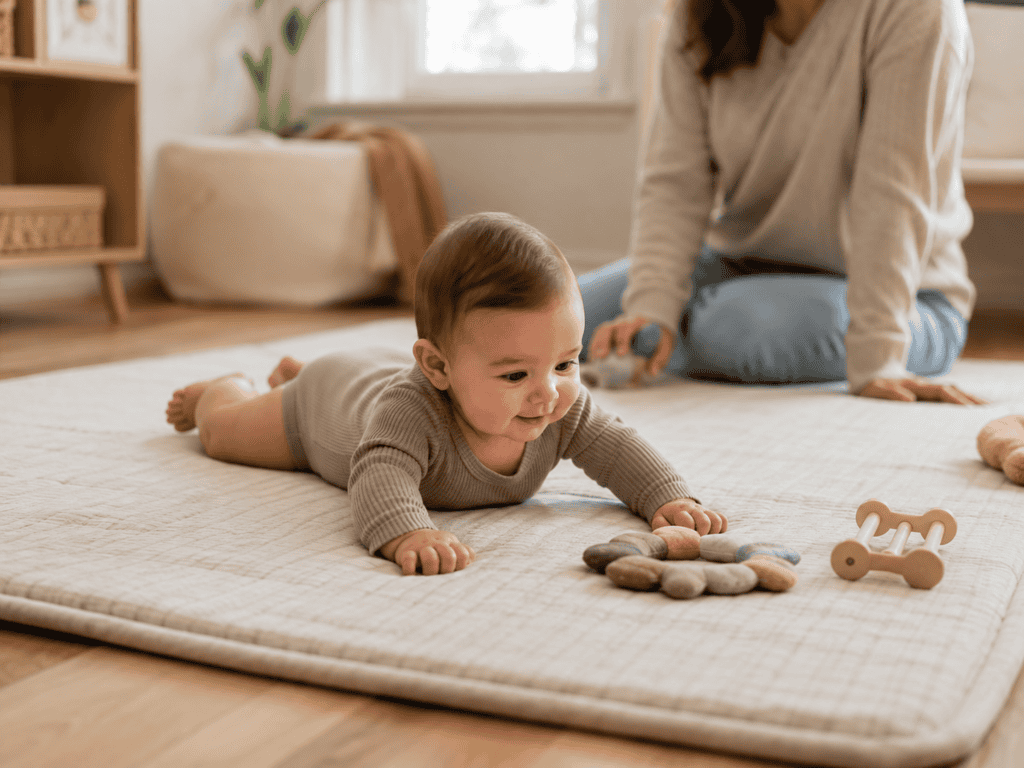
Choosing a play mat is about more than finding something soft and easy to clean, especially when babies spend so much time crawling, rolling, and playing directly on the surface.
Because of that close contact, materials, coatings, chemical treatments, and safety testing deserve a closer look. The U.S. EPA explains that crawling, playing on the floor, and hand-to-mouth behaviors can increase children’s contact with chemicals from consumer products.
The goal isn’t to avoid every synthetic material, but to choose a mat with clear material disclosure, meaningful safety testing, and practical features that work for your family. This guide breaks down what to look for when choosing a non-toxic play mat.
The Goodness Well is reader-supported. Some links in this article may be affiliate links, but every recommendation follows our editorial standards and independent review process. Learn more about our editorial standards and review methodology.
What Makes a Play Mat Safer
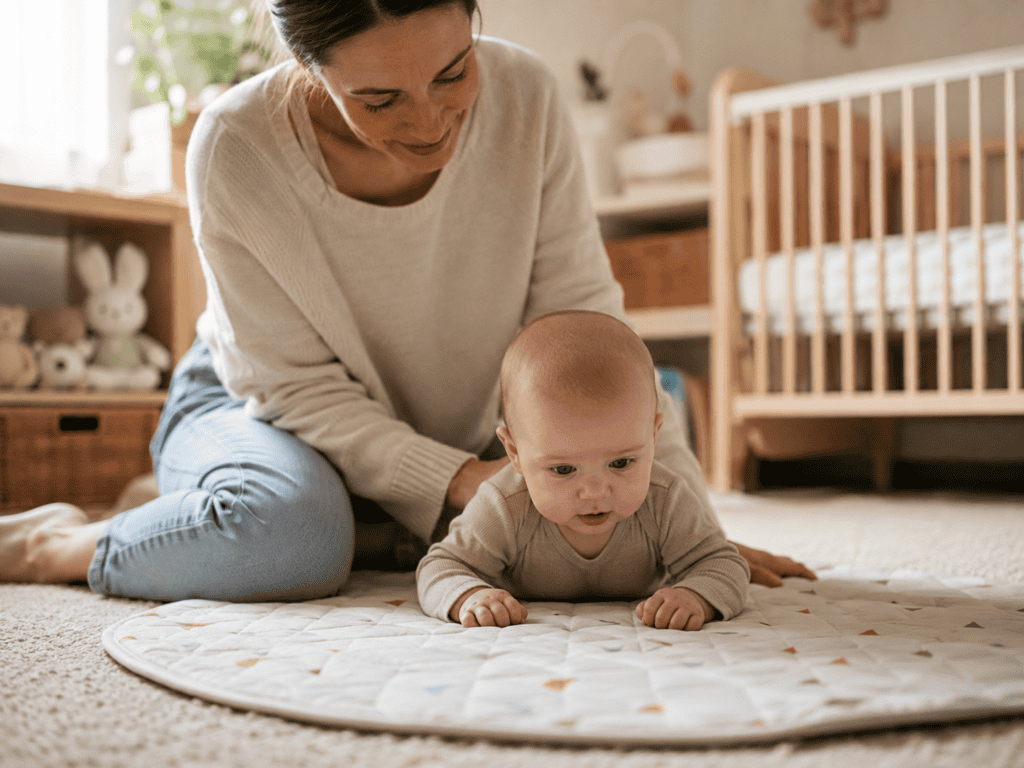
A safer play mat starts with clear material disclosure, not just a broad “non-toxic” label. Look for brands that clearly identify the foam, fabric or surface material, coatings, waterproof layers, and added treatments.
This matters because babies and toddlers spend a lot of time directly on play mats and may regularly touch or mouth the surface. When comparing options, look for relevant third-party certifications or testing and disclosures about substances such as phthalates, PFAS, flame retardants, BPA, formaldehyde, and heavy metals.
Babies crawl, lie, and sometimes chew on play mats, making materials, coatings, and chemical treatments especially important.
Natural vs. Synthetic Materials
If minimizing synthetic materials is your priority, certified organic cotton and natural latex are easier starting points.
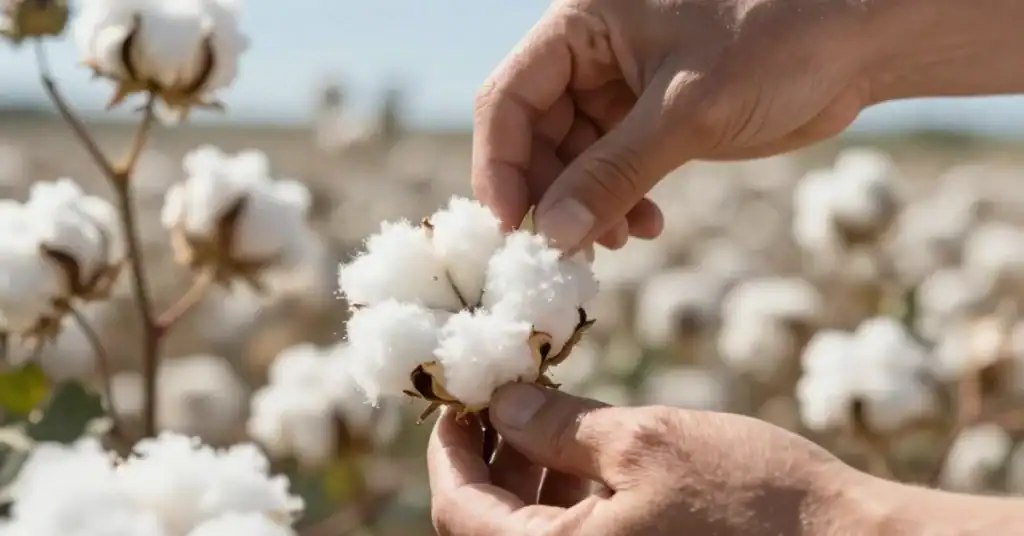
GOTS-certified organic cotton gives shoppers more information than a simple “organic cotton” claim. GOTS covers textile processing as well as organic fiber content. Its “Organic” label requires at least 95% certified organic fibers, while its “Made with Organic” grade starts at 70%.
Natural latex or rubber can also provide substantial cushioning without petroleum-based foam. When latex carries GOLS certification, the standard addresses organically grown natural rubber latex and its processing through the supply chain.
A product described only as “natural latex” should not automatically be treated as GOLS-certified.
Synthetic materials require a little more comparison rather than an automatic yes or no.
EVA foam is lightweight, cushioned, and easy to wipe clean. For EVA mats, look for explicit testing or disclosures covering substances such as formamide, phthalates, and BPA rather than relying on the word “non-toxic.”
If you’re setting up a nursery or play space, you may also want to compare our guides to non-toxic playpens and non-toxic nursery furniture.
XPE foam is another synthetic cushioning material. The term tells you the foam type, but not every additive, coating, or printed surface used with it. Full material disclosure and product-specific testing matter more than the XPE label alone.
TPU often appears as a thin waterproof layer. It can be used instead of PVC-based waterproofing, but it is still a synthetic material. Check what surrounds the TPU layer and whether stain-resistant or other chemical treatments have been added.
Polyurethane foam can provide thick, comfortable cushioning, but formulations vary considerably. Flame retardants have historically been used in some polyurethane foam products, although their use differs by product and has changed over time. Rather than avoiding every polyurethane mat automatically, look for clear statements about added flame retardants and third-party testing.
This is also why we compared the specific material claims for each mat, rather than ranking products simply by whether they used natural or synthetic foam.
Certifications That Matter
Certifications are useful when you know what they actually cover. A certification on the cotton cover does not automatically certify the foam core, waterproof membrane, or finished mat.
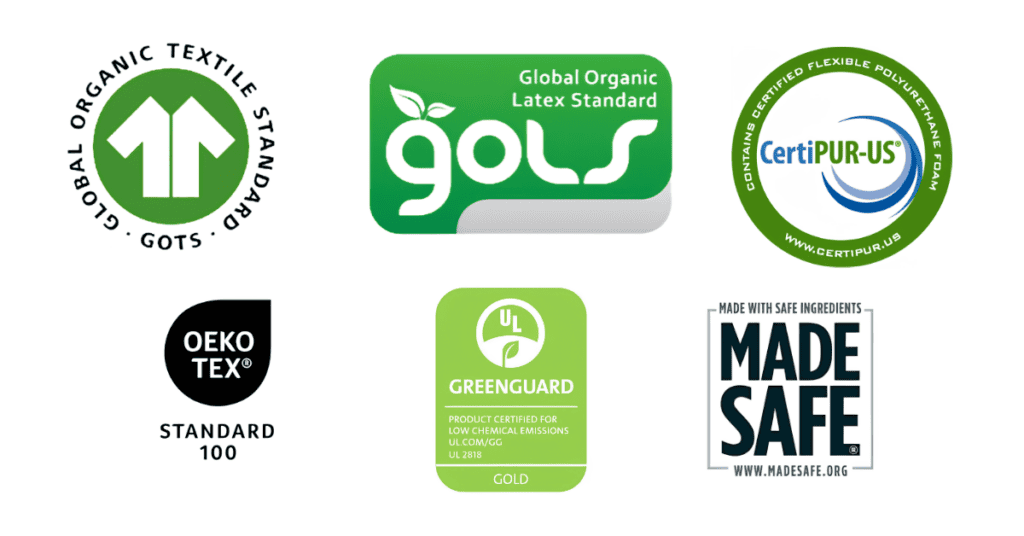
The best product pages identify the certified component and provide a certificate number or testing documentation when possible.
Certifications and Testing to Know
For textile and latex mats, these are the main standards worth recognizing:
- GOTS: Organic textile content and processing; “Organic” requires at least 95% certified organic fibers.
- GOLS: Organic origin and processing requirements for natural rubber latex products.
- OEKO-TEX Standard 100: Tests certified textiles and components for more than 1,000 harmful substances; Product Class 1 has the strictest requirements for babies and young children.
- GREENGUARD Gold: Focuses on chemical emissions rather than organic content. UL says it limits emissions from more than 360 VOCs plus total chemical emissions.
- MADE SAFE: Screens disclosed ingredients and materials against a large restricted-substance list and evaluates broader human and ecosystem hazards.
- CPC / ASTM F963: A Children’s Product Certificate confirms compliance with applicable U.S. children’s product rules based on required third-party testing. It is not an organic-material certification.
The Best Organic & Non Toxic Play Mats
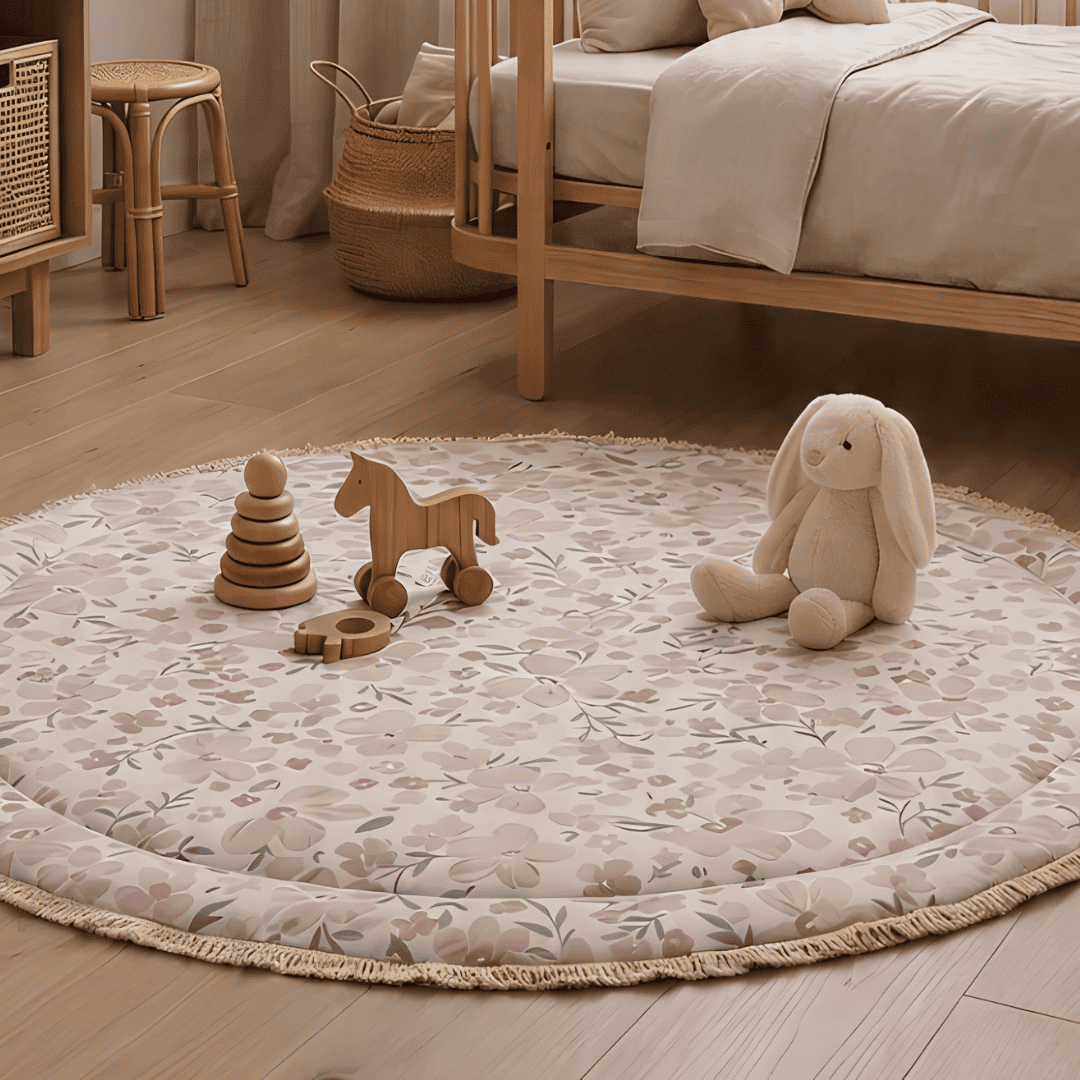
MakeMake Organics Organic Cotton Quilted Play Mats
MakeMake Organics is our top pick because it offers one of the best combinations of price, materials, and certifications in this roundup. Its play mats use a 100% GOTS-certified organic cotton shell and start around $98.
The inner batting is OEKO-TEX certified poly fill, while the brand says the mats use azo-free dyes and are made without flame retardants, formaldehyde, or other harsh chemicals.
MakeMake offers three play mat sizes, and the product page shown here lists a 48-inch diameter option with several reversible patterns.
They are also machine washable and made at a GOTS-certified factory in India, with excess fabric used for the reusable drawstring packaging.
If avoiding conventional textile treatments is your main priority, MakeMake has some of the strongest material and certification details of the brands in this roundup.
The main tradeoff is that the inner batting is poly fill rather than organic cotton.
Product Highlights:
- Price: $98 USD
- Materials: 100% GOTS-certified organic cotton shell; poly fill batting
- Certifications: GOTS-certified organic cotton shell; OEKO-TEX certified poly fill; brand GOTS license IDFL 010673
- Safety: Azo-free dyes; described as free from flame retardants, formaldehyde, and harsh chemicals
- Functionality: Reversible, quilted, machine washable; 48″ diameter shown; three sizes noted in the research scope
- Sustainability: Made at a GOTS-certified factory; reusable drawstring bag made from excess fabric
- Made In: India
- Warranty / Shipping: 2–3 business day processing; 30-day returns in original packaging; sale items are final sale
- Best For: Parents prioritizing certified organic textiles and clearly disclosed materials
- Downside: Poly fill batting rather than an organic cotton fill
Eeveve Puzzle Play Mats
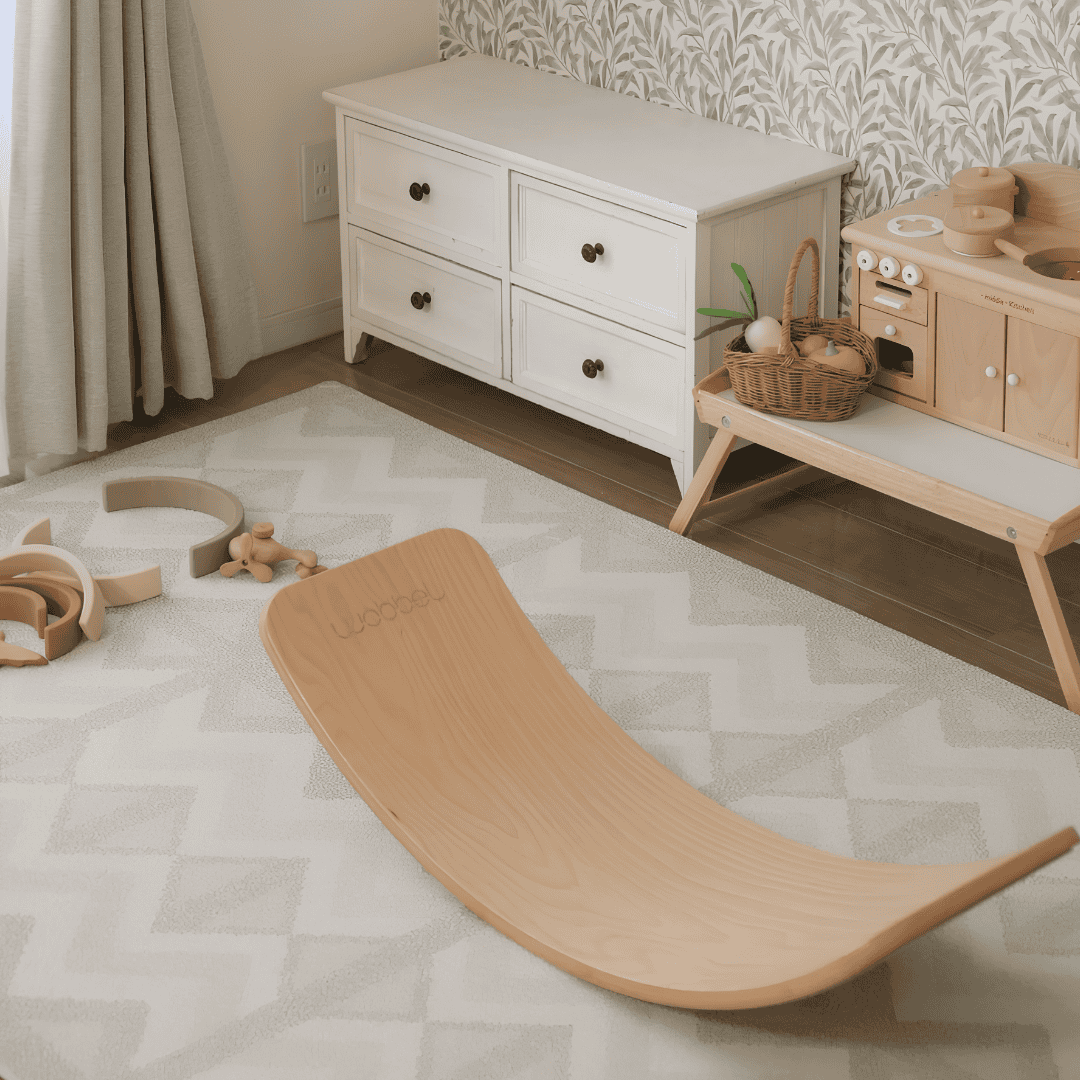
Eeveve is an excellent choice if you want a non-toxic play mat with far more flexibility in size and layout.
Every design uses the same 0.47-inch EVA foam with a printed top film, and the mats are listed as free from BPA, formamide, and phthalates.
They’re independently third-party tested, comply with ASTM F963, EN71, and CPSIA requirements, and Eeveve holds a Children’s Product Certificate for each mat.
The collection includes 15 designs and eight sizes, from a compact 4 x 6 ft mat up to 16 x 12 ft, with puzzle-style tiles that can also connect across mats for larger spaces.
That range makes Eeveve especially practical for everything from small nurseries to larger living rooms, while the wipe-clean surface is useful for everyday messes.
The tradeoff is that these are EVA foam mats rather than certified organic textile mats like our top pick.
Product Highlights:
- Price Range: $119–$729
- Materials: 0.47-inch EVA foam with printed top film
- Certifications / Testing: Children’s Product Certificate for each mat; independently third-party tested; compliant with ASTM F963, EN71, and CPSIA
- Safety: Listed as free from BPA, formamide, and phthalates
- Functionality: Eight sizes; puzzle-piece construction; expandable across mats; wipe-clean; anti-slip; waterproof
- Sizes: 4 x 6 ft, 6 x 8 ft, 6 x 12 ft, 8 x 12 ft, 10 x 12 ft, 12 x 12 ft, 14 x 12 ft, and 16 x 12 ft
- Durability: Brand states 3+ years
- Warranty / Shipping: 365-day warranty; 30-day return policy/home trial; free shipping on $150+; ships within 3–5 business days from Ohio
- Best For: Homes that need flexible sizing, easy cleaning, and expandable coverage
- Downside: EVA foam rather than certified organic textile materials
Toddlekind Play Mats
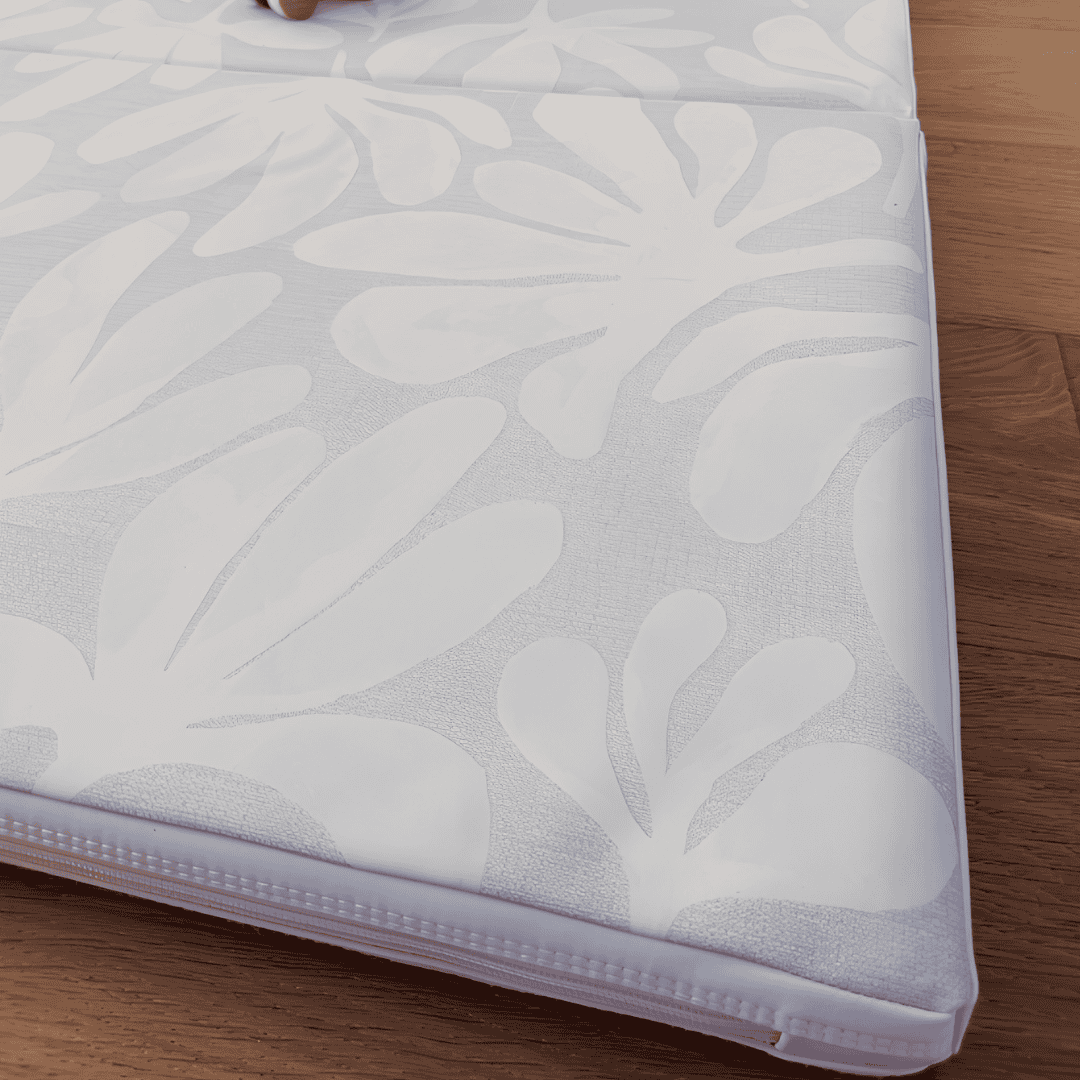
Toddlekind stands out for practicality, with several play mat styles ranging from interlocking foam tiles to foldable and portable mats.
While the Toddlekinds mats are not organic, they use vegan PU leather over CertiPUR-US® certified foam and is listed as free from PVC, phthalates, formaldehyde, and BPA.
Toddlekind also says its products comply with PETA-Approved Vegan requirements, while its puzzle playmats use a biological additive intended to help them break down faster at the end of their life.
The collection covers several configurations and price points, from a $50 Leaf Mat to the thicker $280 Tumble Mat, so there are practical options for small spaces, travel, floor coverage, and more active play.
The main thing to keep in mind is that materials and certifications vary by mat, so it’s worth checking the specific model before buying.
Product Highlights:
- Price Range: $50–$280
- Materials: Varies by mat; Tumble Mat uses vegan PU leather with CertiPUR-US® certified foam
- Certifications: CertiPUR-US® certified foam in the Tumble Mat; Toddlekind states its products comply with PETA-Approved Vegan requirements
- Safety: Tumble Mat listed as free from PVC, phthalates, formaldehyde, and BPA
- Functionality: Puzzle-style, foldable, portable, cushioned, and wipe-clean options across the collection
- Sustainability: Puzzle playmats use an additive intended to accelerate biodegradation; majority of packaging carries FSC certification; tree-planting program through Tree Nation
- Warranty / Shipping: Limited lifetime warranty; free tile replacements during warranty period; 100-day risk-free trial; free shipping over $150; $14.99 under $150 in eligible U.S. states
- Best For: Families wanting several play mat formats, sizes, and configurations
- Downside: Not Organic
Piccalio Play Mat
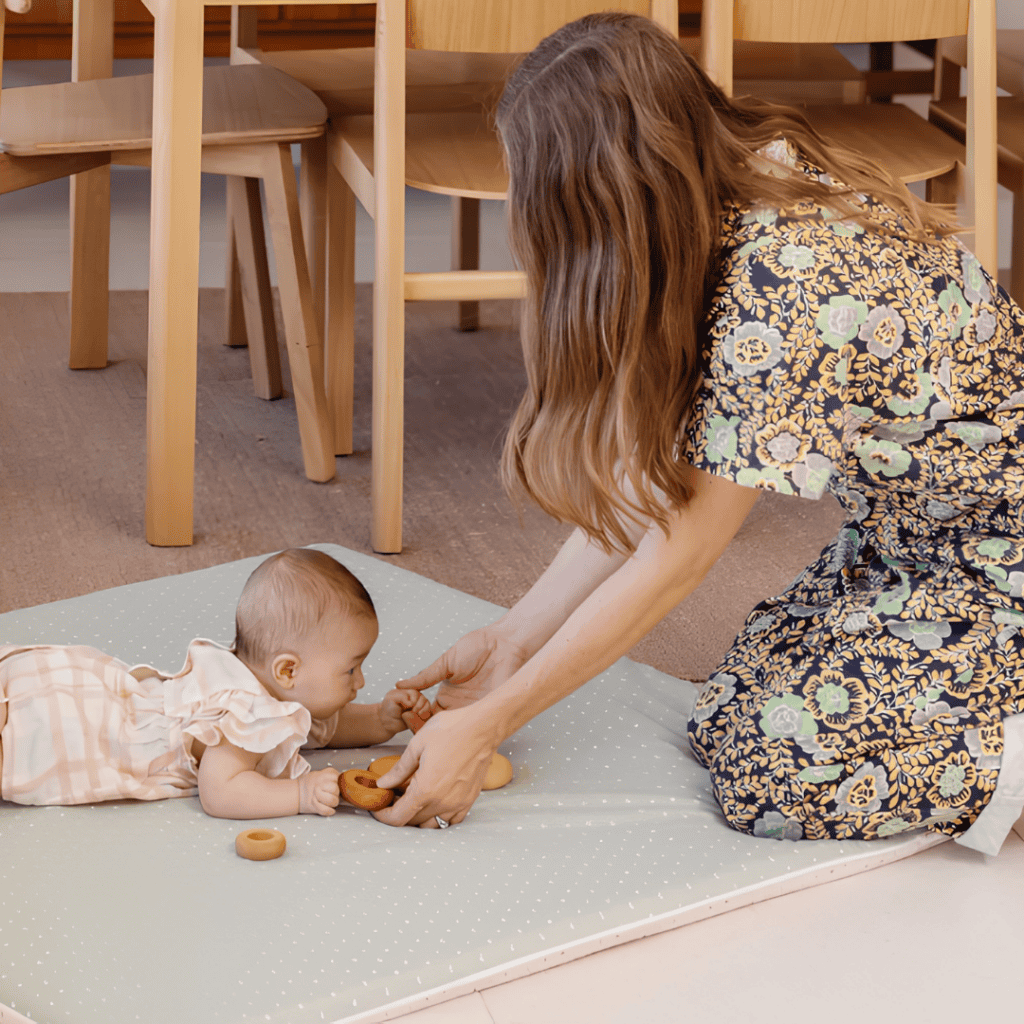
Piccalio comes closest to MakeMake Organics from a non-toxic materials standpoint, with a 100% GOTS-certified organic cotton outer cover and a natural latex foam core made from rubber trees.
The cover is also described as OEKO-TEX certified, while the play mat lists ASTM F963, U.S. CPSC, California Prop 65, and TÜV safety standards or certification.
Piccalio says the mat does not use vinyl, phthalates, PFCs, polyurethane foam, EVA, or formamide, and it avoids added stain- or water-resistant coatings; instead, a cotton waterproof cover uses a thin TPU barrier.
The 1.5-inch cushioned mat is reversible, machine washable, and works well for tummy time, crawling, and everyday floor play.
This is one of the strongest options here for parents who want to avoid conventional synthetic foam while still getting a practical, washable mat.
The downside is selection: Piccalio offers just one 42 x 42-inch play mat size, which is smaller and less flexible than MakeMake Organics’ three available sizes.
Product Highlights:
- Price Range: $189
- Materials: Natural latex foam core; 100% GOTS-certified organic cotton outer cover; cotton waterproof cover with TPU barrier
- Certifications: GOTS-certified organic cotton; cover described as OEKO-TEX certified; TÜV Certified; ASTM F963 and U.S. CPSC safety standards listed
- Safety: No vinyl, phthalates, PFCs, polyurethane foam, EVA, or formamide; no added stain- or water-resistant coatings
- Functionality: 42 x 42 x 1.5 in; reversible; inner and outer covers are machine washable; no assembly required
- Sustainability: Natural latex from rubber trees; organic cotton; brand uses small-batch production, FSC-certified packaging materials, and carbon-offset initiatives
- Made In: Europe
- Warranty: 3 years
- Best For: Parents wanting natural latex and certified organic cotton instead of EVA or polyurethane foam
- Downside: Only one 42 x 42-inch size available
Wee Gallery Play Mats
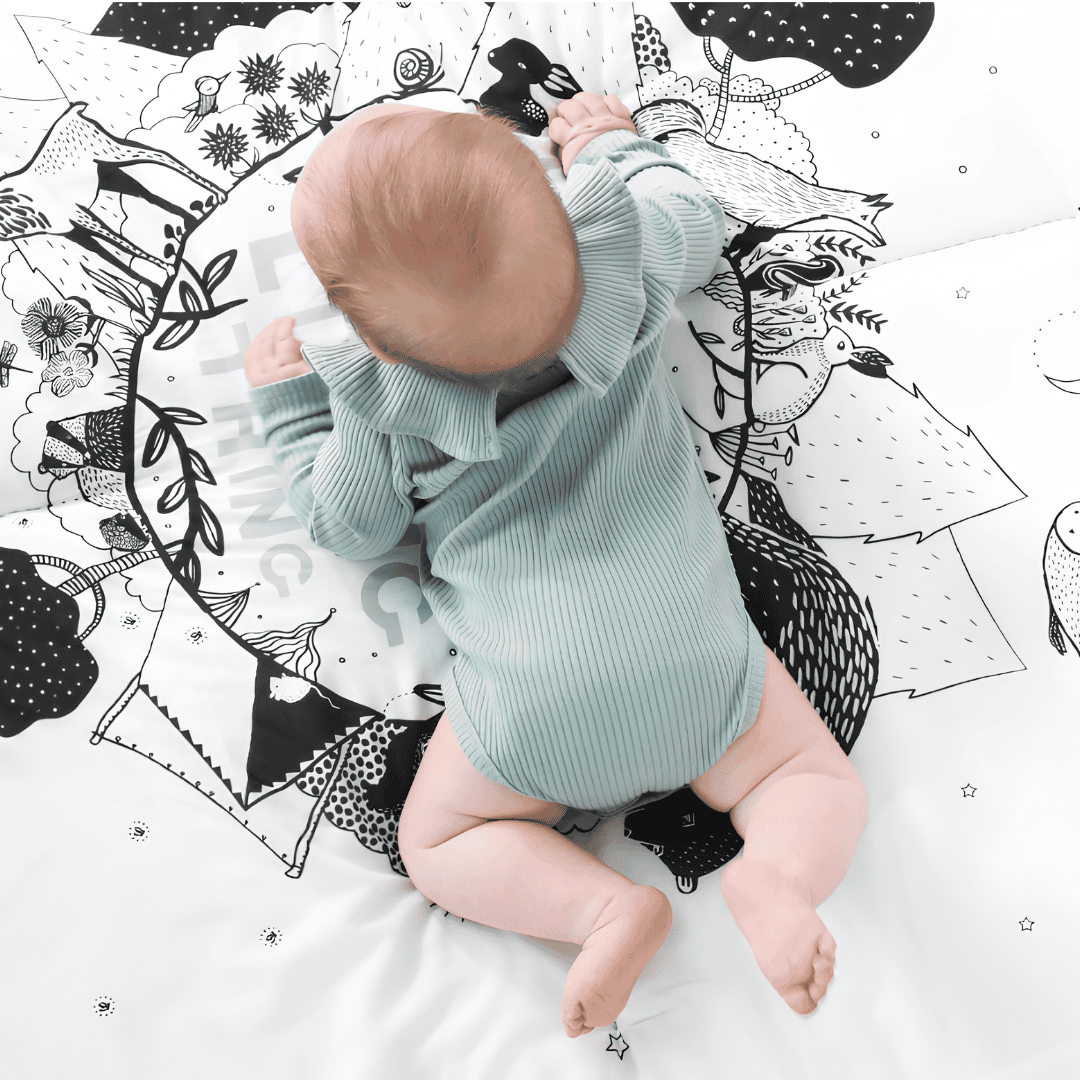
Wee Gallery is a nice option if you want a softer, fabric-based play mat with organic cotton instead of foam.
The play mats shown use organic cotton outer fabric with OEKO-TEX certified polyester filling, so the certification applies to the fill rather than the entire mat.
Several designs are reversible and machine washable, and they roll up with a reusable canvas handle for easier storage or travel.
The collection includes round, square, and quilted styles, with sizes such as 40 inches round, 40 x 40 inches, and 35 x 45 inches.
These are good non-toxic play mat options for tummy time and early floor play, but the sizes shown provide less overall play area than Piccalio’s 42 x 42-inch mat.
The main downside is that there isn’t a GOTS certification for the organic cotton, so MakeMake Organics and Piccalio have stronger certification details for their cotton materials.
Product Highlights:
- Price Range: $144.95
- Materials: Organic cotton outer fabric; polyester fiber filling
- Certifications: OEKO-TEX certified polyester filling; no GOTS certification shown for the cotton
- Safety: Brand describes its products as non-toxic and safety tested
- Functionality: Reversible options; machine washable; roll-up design with reusable canvas handle
- Sizes: 40″ diameter, 40″ x 40″, and 35″ x 45″ shown
- Made In: India
- Best For: Tummy time, early floor play, and parents wanting a soft organic cotton surface
- Downside: Smaller play area than Piccalio and less detailed cotton certification information