Budget vs. Premium Stainless Steel Pans: Is Caraway Worth the Extra Money?

Wondering if those expensive stainless steel pans are actually worth it?
We compared a cheap stainless steel pan we picked up at HomeGoods for around $30 with our stainless steel frying pan from Caraway to see how much of a difference we noticed.
We’ve had the HomeGoods pan for a few years and had been using Caraway for about four to five months when we put this comparison together.
We’ve cooked plenty of meals in both, and we also cooked eggs using the same burner, heat setting, and roughly the same amount of oil as a comparison test.
Along with those results, we’ll share what we’ve noticed about cleanup, how the pans feel, and where we think paying more is—or isn’t—worth it.
The Two Pans We’re Comparing
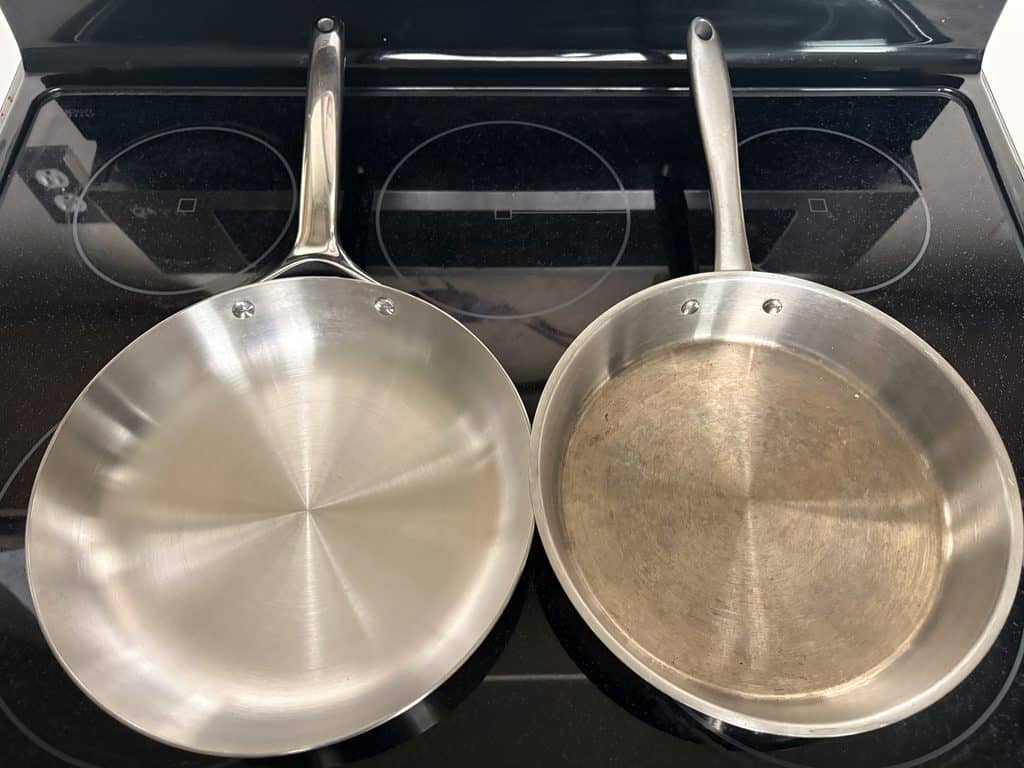
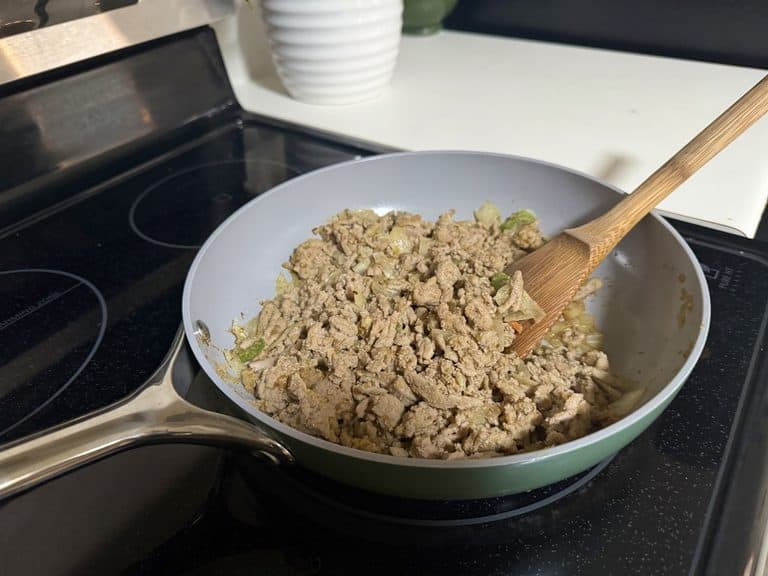
These are two pans we’ve used for our regular meals, from eggs and burgers to ground turkey and vegetables.
Our budget pan: La Sera/Fine Cookware (On the right)
- Bought at HomeGoods a few years ago for about $30
- Feels thinner and lighter than Caraway.
- Still has no loose handle, wobbling, or other structural problems.
Our premium pan: Caraway’s 10.5-inch stainless steel frying pan (on the left)
- Came with the full cookware set Caraway gifted us (the pan itself retails for about $130)
- Had been in use for about four to five months when we put this comparison together.
- Feels more solid in our hands without being too bulky.
- Gets regular use alongside our other Caraway pans, which we cook with about every other day.
We tend to batch-cook and freeze meals, so both pans have had their share of turkey, veggies, and whatever else we’re making that week.
These days, though, the Home Goods (La Sera) mostly comes out when our other pans are dirty.
Cooking With Both: Our Meals Still Turn Out Fine
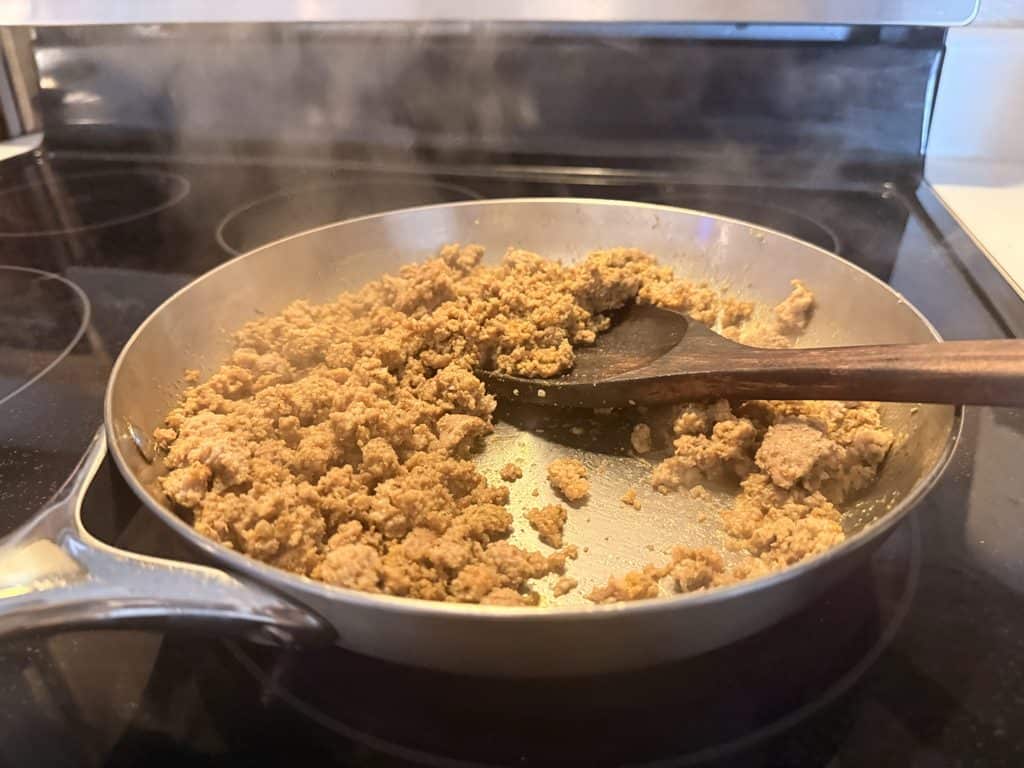
We’ve made ground turkey, veggies, and burgers in both pans, and honestly, the food comes out pretty much the same. We prefer cooking with Caraway, but our HomeGoods pan still gets dinner made.
For most meals, our routine looks something like this:
- Set the stove to about 4.5 out of 10.
- Let the pan heat up for two to three minutes.
- Add olive oil—usually about a tablespoon
Sometimes we add the oil before preheating, and we’ve still had good results with Caraway.
Where we notice more of a difference is when we go to stir or lift the food.
With the La Sera, it’ll release in one spot and catch in others, even when we’ve spread the oil around. That uneven sticking gets annoying, and it’s a big reason we use the Caraway more often.
Caraway has been better about releasing food, but it still sticks, especially when we have the heat high.
We like our ground meat crispy, so we leave it cooking longer which can leave a good amount stuck to the pan.
Know that any stainless steel cookware is NOT naturally non-stick, no matter the quality.
So far, the upgrade has made more of a difference in the cooking process than in the finished meal. The egg test gave us a good way to show what we mean.
The Comparison Test- Cooking Eggs
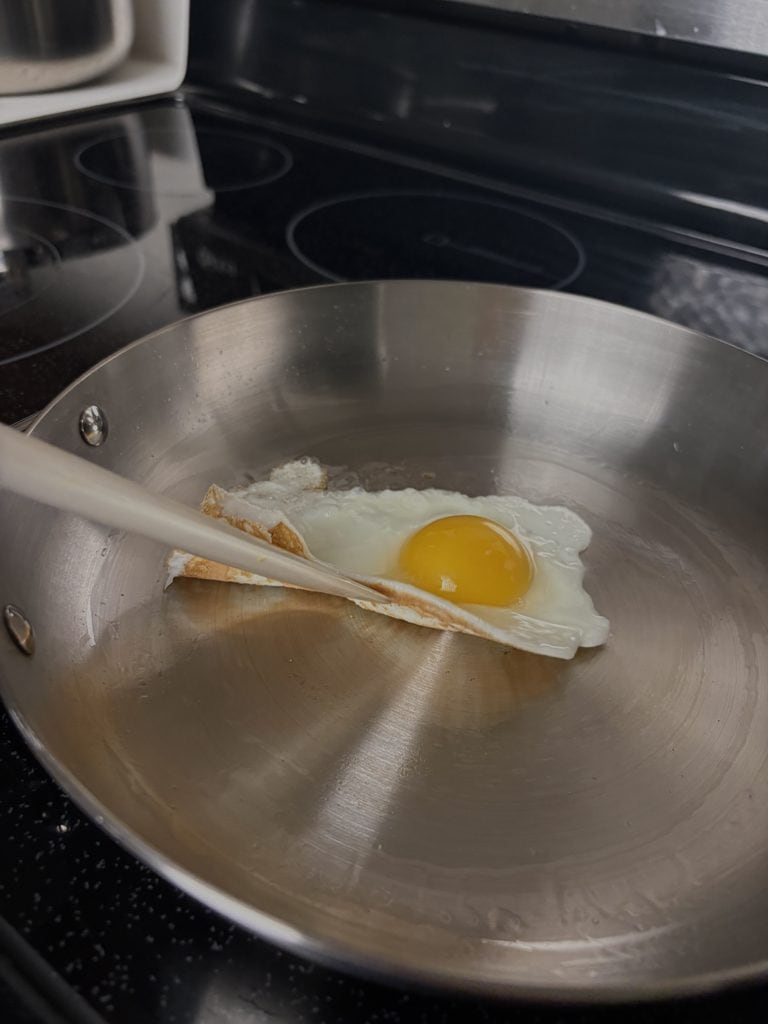
Eggs are where the sticking difference was easier to show in photos. We cooked them using the same burner, heat setting, timing, and roughly the same amount of olive oil.
One thing you’ll notice: there’s one egg in Caraway and two in the La Sera. We needed two eggs when we used that pan. This was a comparison in our kitchen, so the portions weren’t perfectly matched.
Here’s how it went with Caraway:
- The egg needed a little loosening in a few spots.
- Once we got the spatula underneath, it lifted without much trouble.
- There was a little residue afterward, but most of the egg came up with it.
With the La Sera, we had to work at it more. Parts of the eggs lifted, while other parts stayed stuck. As we tried to get underneath them, they tore apart and left more egg behind.
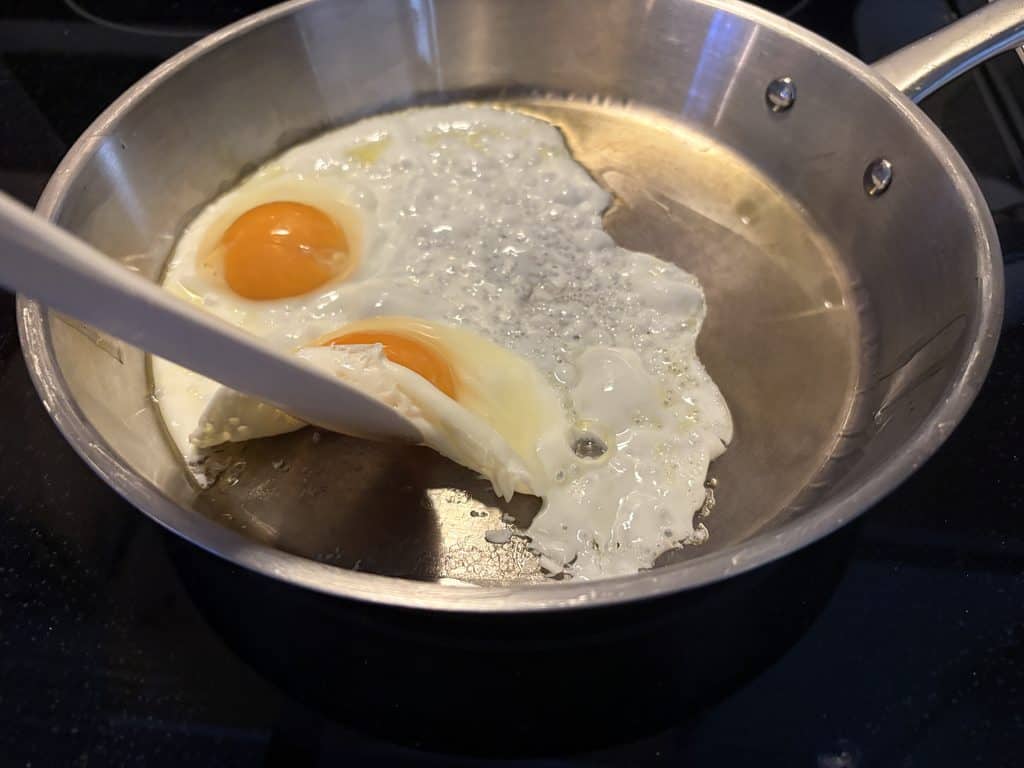
Neither result surprised us. This is pretty typical of what we’ve experienced with these two pans: a little help from the spatula with Caraway, and more scraping with La Sera.
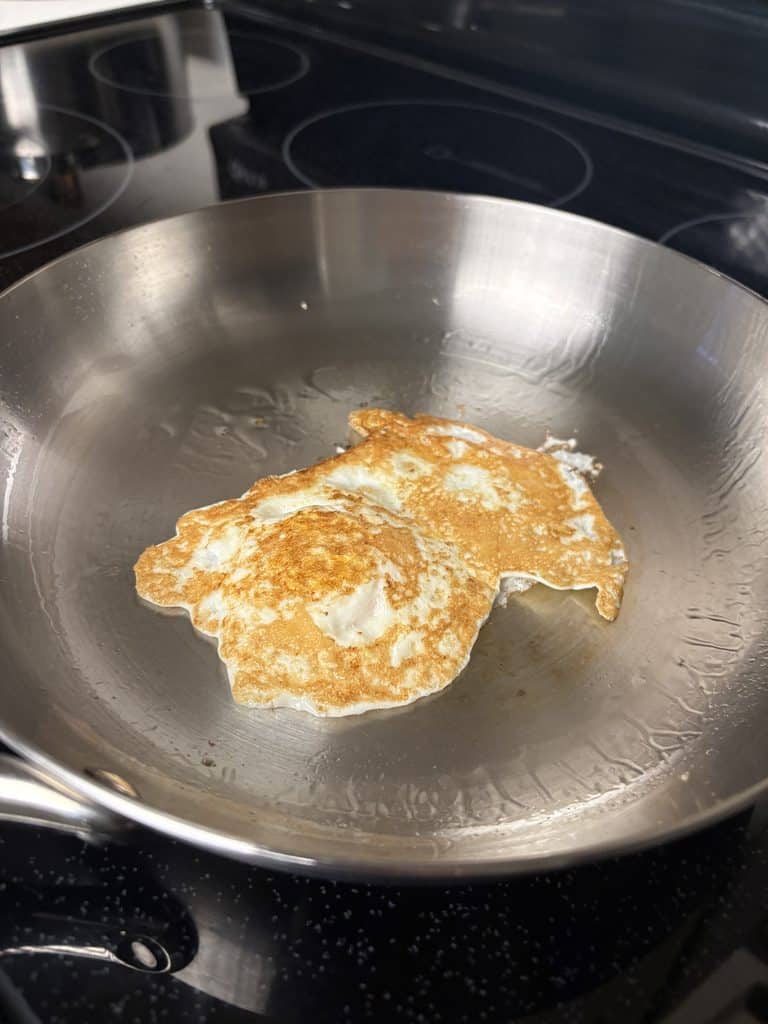
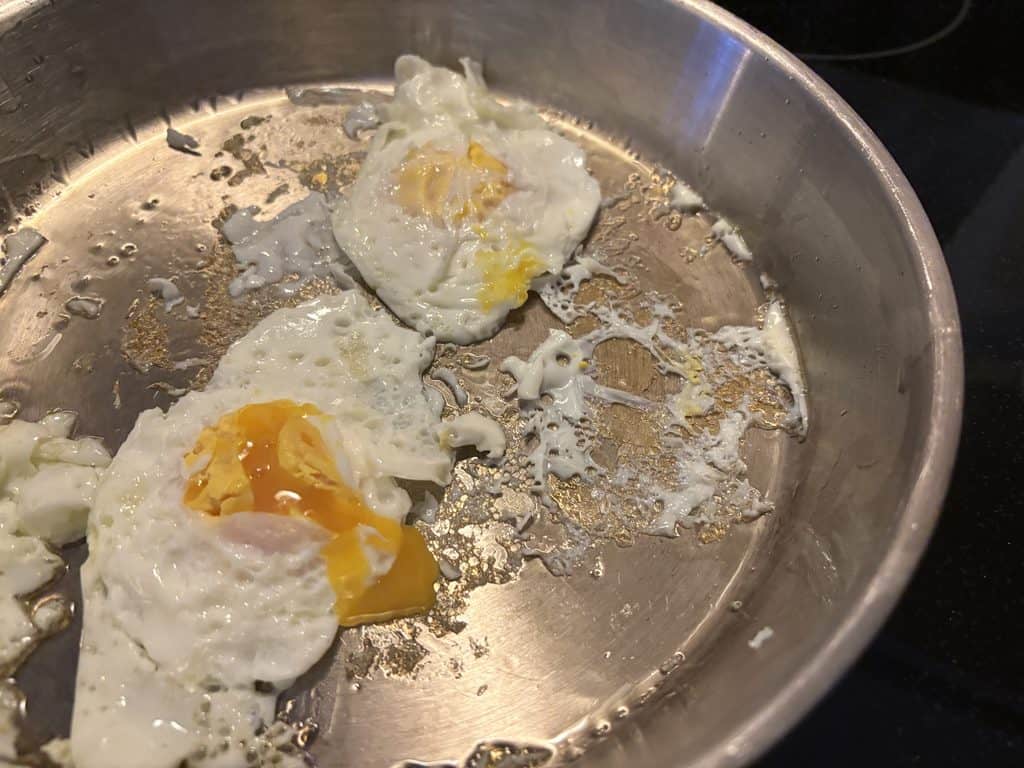
Caraway’s egg didn’t just slide around the pan. We still had to loosen it. But getting it out in one piece was much easier, and there was less left behind to scrub.
When it comes to most food though, it tends to stick in both pans, however, when you allow it to heat up correctly and use some oil, the Caraway pan sticks way less.
Cleanup Is Where We Appreciate Caraway
The La Sera usually needs more scrubbing to get food off. Caraway has been easier to clean, even when we’ve cooked something pretty good onto the surface.
We usually let the pan soak overnight, go at it with a stainless steel scrubber (which we know isn’t recommended, but hey), then finish with soap and a sponge.
That’s been our routine, and we haven’t noticed damage from it.
Overcooked foods on the pans can take a little bit more to get off.
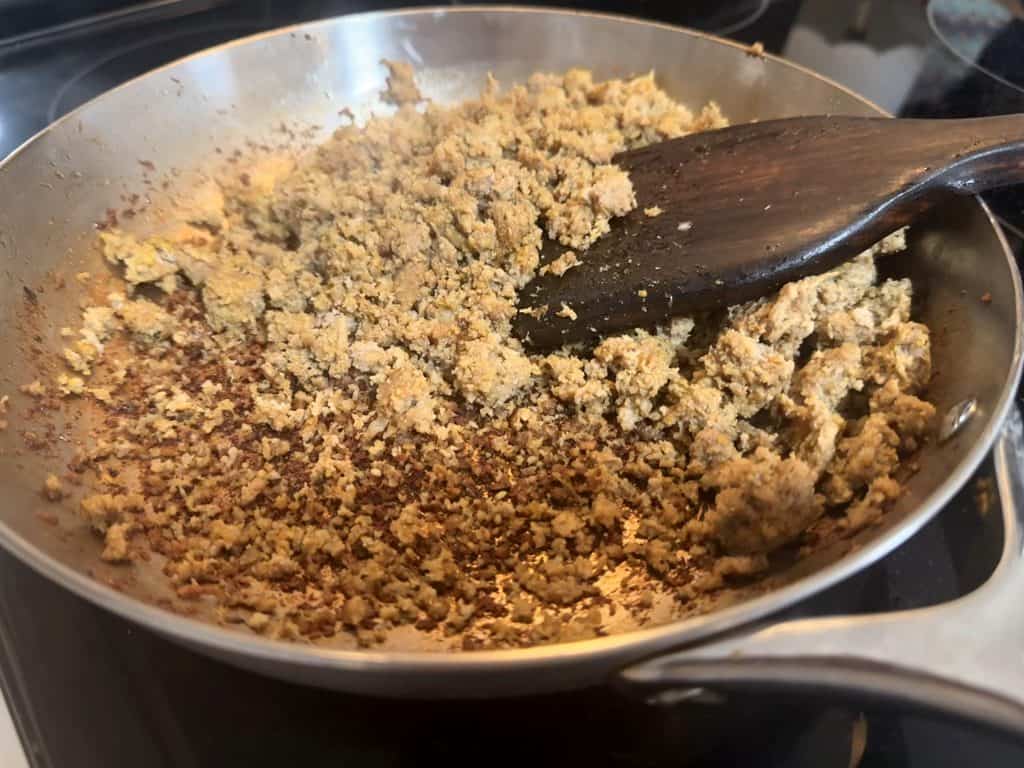
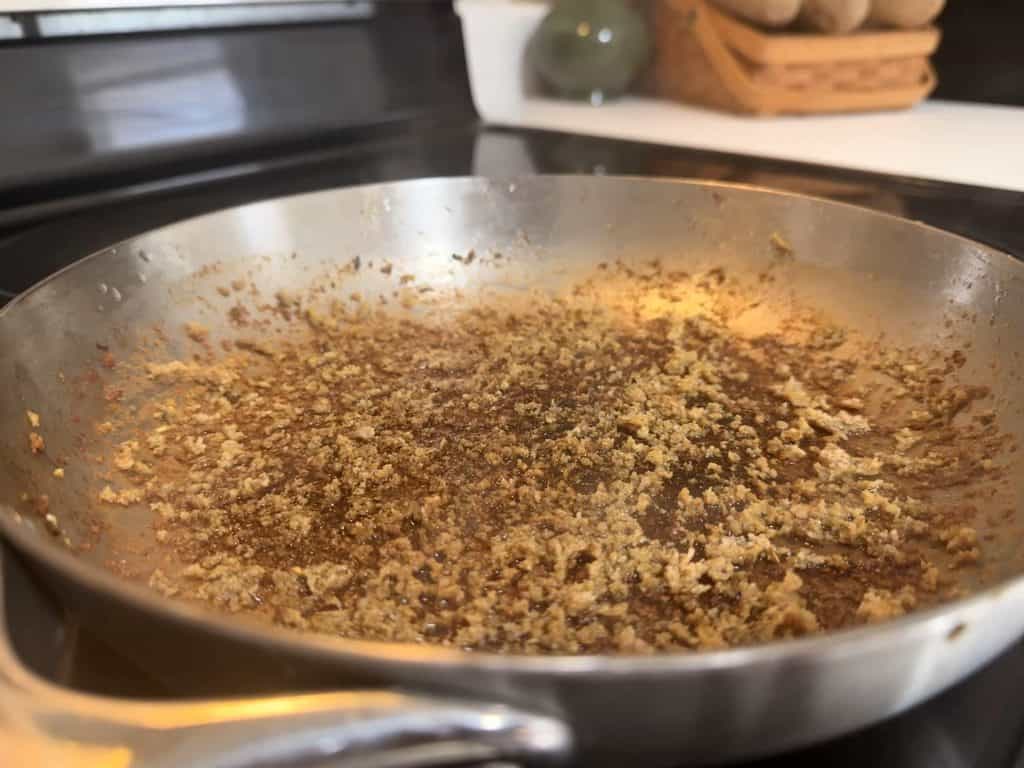
For example, we like crispy ground meat which sticks to Caraway, too, and if we skip the soak, we have to scrub pretty hard! So while Caraway is easier to clean in our experience, it doesn’t get us out of doing dishes.
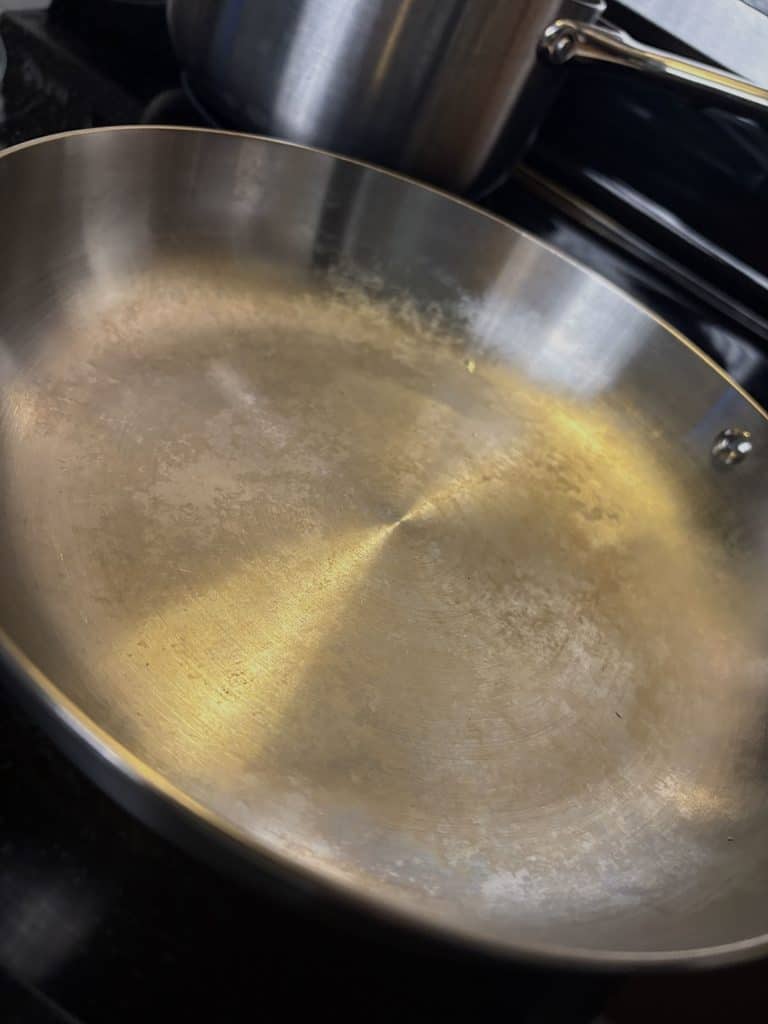
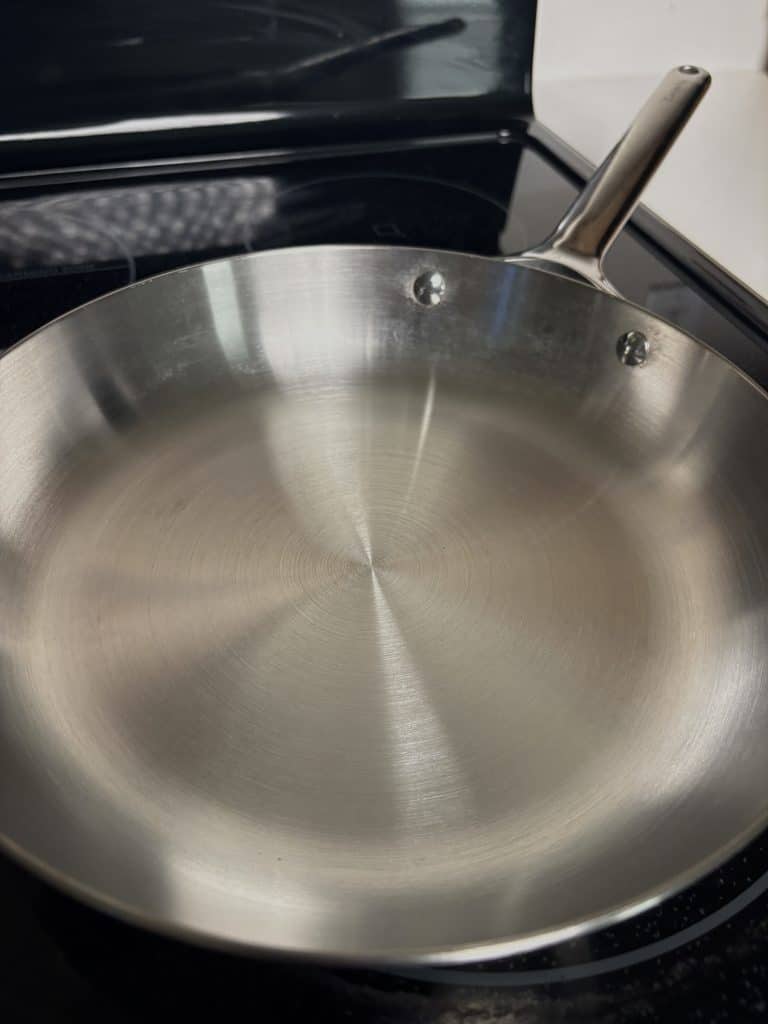
The Caraway pan also develops cloudy marks over time but letting regular vinegar sit in the pan for about five to ten minutes, then rinsing and washing with soap and a soft sponge makes it literally look brand new.
But honestly those marks don’t bother us much. We mainly cleaned them up for the photos—we’re not giving our pans a vinegar treatment every time we cook!
The La Sera has some brown discoloration on the inside cooking surface that hasn’t come off with our usual cleaning. It still gets used, but even after washing, it doesn’t have that same clean look.
Three-Ply vs. Five-Ply: How the Pans Feel and Cook
Our La Sera is three-ply, while Caraway is five-ply. “Ply” just means the number of metal layers bonded together:
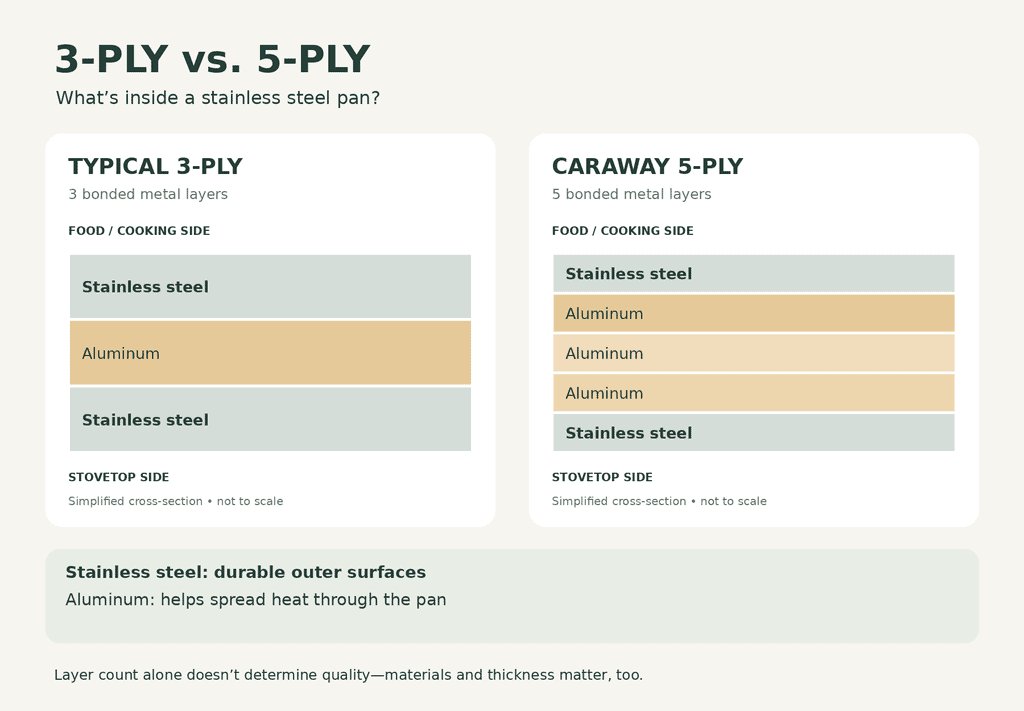
- Three-ply pans typically have one aluminum layer between two stainless steel layers.
- Caraway’s five-ply pan has three aluminum layers between two stainless steel layers, extending across the bottom and up the sides.
Aluminum helps spread heat, while stainless steel provides the durable cooking surface. More layers don’t automatically mean a better pan—the materials and thickness matter, too.
With our two pans, Caraway seems to hold heat better while we cook. It also feels heavier and more solid without being bulky. The La Sera feels much thinner, though neither pan’s handle gets hot during our usual stovetop use.
Honestly, we can picture keeping Caraway for a lifetime. It looks pretty much the same as when we got it, with no warping, wobbling, or loose handles. We’ve only had it a few months, so time will tell!
We don’t have quite the same confidence in the thinner La Sera but it deserves credit: it’s already lasted a couple of years without structural problems.
Summary: What We Like—and Don’t—About Each Pan
Our Budget La Sera Pan
What we like:
- Cost roughly $30–$50
- Has lasted several years without structural problems.
- Gets our meals cooked just fine.
- Lighter to pick up and move around.
What we don’t:
- Food catches in random spots, especially eggs (which suggests uneven cooking)
- Usually needs more scrubbing.
- Feels thinner and less solid than Caraway.
- Has brown discoloration inside that hasn’t come off with cleaning.
Our Caraway Stainless Steel Pan
What we like:
- Feels sturdy without being too bulky.
- Seems to hold heat better during cooking.
- Food generally releases more easily, with less scrubbing afterward.
- The brand shares third-party testing for harmful chemicals
What we don’t:
- Costs considerably more.
- Heavier than our budget pan.
- Still gets stuck-on food, especially when we cook foods on high heat
- Develops cloudy marks, though vinegar has cleaned those up for us.
So, Is Caraway Worth the Extra Money?
For us, yes—we’d spend our own money on Caraway. We like how solid it feels, how it holds heat while we cook, and that getting food out and cleaning up afterward generally takes less effort.
Buying a high quality, five-ply pan like the caraway stainless steel pan should literally last you a lifetime.
Another big reason is Caraway’s third-party testing. They share testing information for their cookware, and being able to look at those reports gives us more confidence in what we’re buying.
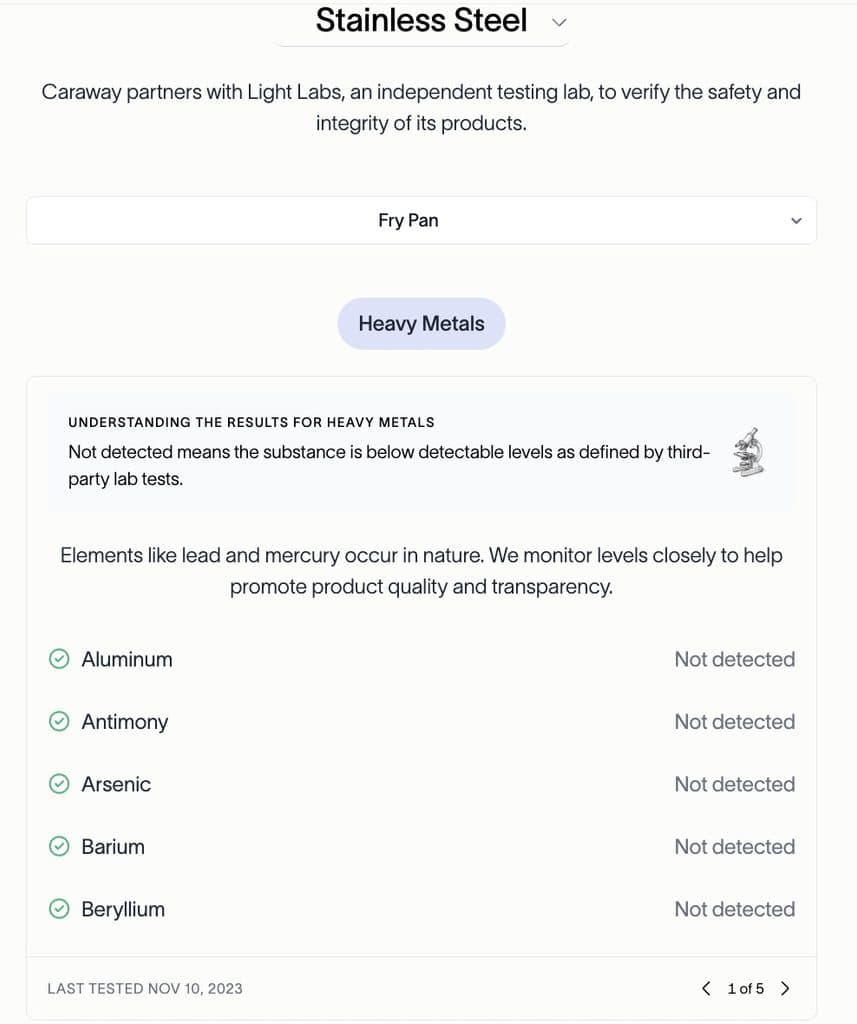
How a pan cooks matters to us, but so does knowing more about what we’re cooking on. That transparency is something we’re willing to pay more for.
That doesn’t mean we think our HomeGoods pan is harmful because it was cheap. We don’t have evidence of that. We just appreciate having more information to go on with Caraway.
If you’re on a tighter budget, our La Sera makes a pretty good case for basic stainless steel. It’s cooked plenty of meals and lasted several years without structural problems. Our burgers and veggies generally turn out just as well in it, even if getting them out and scrubbing the pan takes more work.
For how often we cook, though, we’d choose Caraway. We’d buy the full stainless steel set based on our experience so far, and we can see ourselves keeping it for a long time.
We still use our ceramic pan when we want easier cleanup, too. And sometimes, whichever pan is clean wins.