Is MDF Toxic? The Truth About Formaldehyde in MDF Furniture

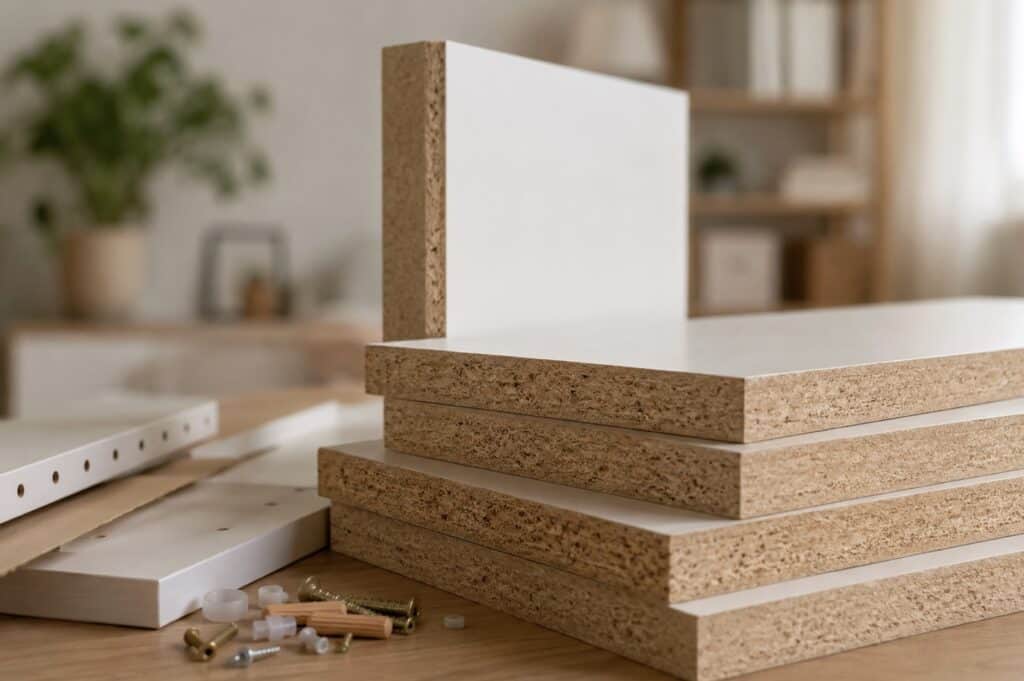
MDF is common in furniture, cabinets, shelving, and home projects because it is affordable, smooth, and easy to shape.
But many people wonder whether MDF is toxic because some engineered wood products can release formaldehyde, a chemical the EPA identifies as a common indoor air pollutant linked to pressed-wood products. Plywood can raise similar concerns depending on the adhesives and finishes used.
The answer is not as simple as “safe” or “unsafe” because MDF quality, adhesives, sealants, age, ventilation, and certifications all affect real-world exposure.
This guide explains what makes MDF worth paying attention to and how to choose lower-emission options for a healthier home. MDF is just one of several furniture materials that can affect indoor air quality and chemical exposure.
MDF can be safe, but only when it is low-emission and well-sealed.
Some MDF releases formaldehyde or VOCs from its binders, especially when new, raw, damaged, or poorly ventilated.
For shoppers, “MDF” does not automatically mean toxic or non-toxic, so look for certifications, sealed edges, and no strong chemical odor.
What Makes MDF Concerning?
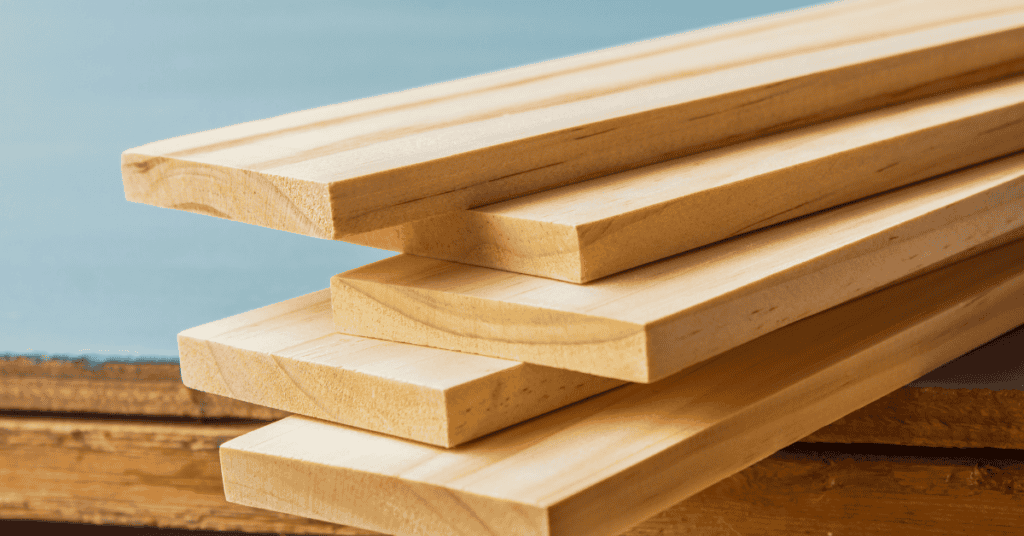
MDF is an engineered wood product. It is made by breaking wood down into fibers, mixing those fibers with resin, then pressing them into dense boards.
The main issue is not the wood fiber itself. The main issue is what holds the fibers together.
Some MDF is made with formaldehyde-based resins.
Off-gassing means a material releases chemicals into the air. With MDF, this usually comes from binders, coatings, or exposed raw edges.
The WHO indoor air guidelines note that formaldehyde in indoor air can irritate the eyes and airways at elevated levels, which is why it gets attention in health research.
MDF can also release VOCs, or volatile organic compounds. VOCs are gases that come from some building materials, furniture, paints, adhesives, and finishes.
For MDF, the biggest concerns usually come from:
- Formaldehyde-based adhesives used to bind the wood fibers
- VOCs released from resins, coatings, paints, or laminates
- Raw or damaged edges that expose the inner board
- Dust from cutting or sanding MDF during DIY projects
This does not mean every MDF product is unsafe. It means MDF should be judged by how it is made, how well it is sealed, and where it will be used in the home.
These are also important factors to consider when comparing different furniture materials.
A finished MDF cabinet in a ventilated room is different from raw MDF being cut indoors.
MDF, Formaldehyde, and Off-Gassing

Formaldehyde is the main chemical people ask about with MDF. It is used in some resins that help bind wood fibers into a strong, smooth board.
Formaldehyde is discussed in indoor air research because it becomes a gas at room temperature. When it leaves a material and enters the air, people can breathe it in.
Off-gassing happens when chemicals leave a material and enter the air as gases. With MDF, this can include formaldehyde and other VOCs from resins, coatings, paints, or laminates.
Off-gassing is usually strongest when MDF is new. Heat, humidity, poor ventilation, and exposed raw edges can increase what gets released into the air.
Key Takeaway: New, poorly ventilated, or exposed MDF usually releases more odor than older, sealed MDF.
This matters most in rooms where people spend long hours. Bedrooms, nurseries, home offices, and playrooms deserve more careful product choices.
Choosing Safer MDF
The safest MDF choice is the one with clear emissions information, a sealed surface, and no strong chemical odor.
Before buying, search the product page for “TSCA Title VI,” “CARB Phase 2,” or “GREENGUARD Gold.”
Certifications to Look For
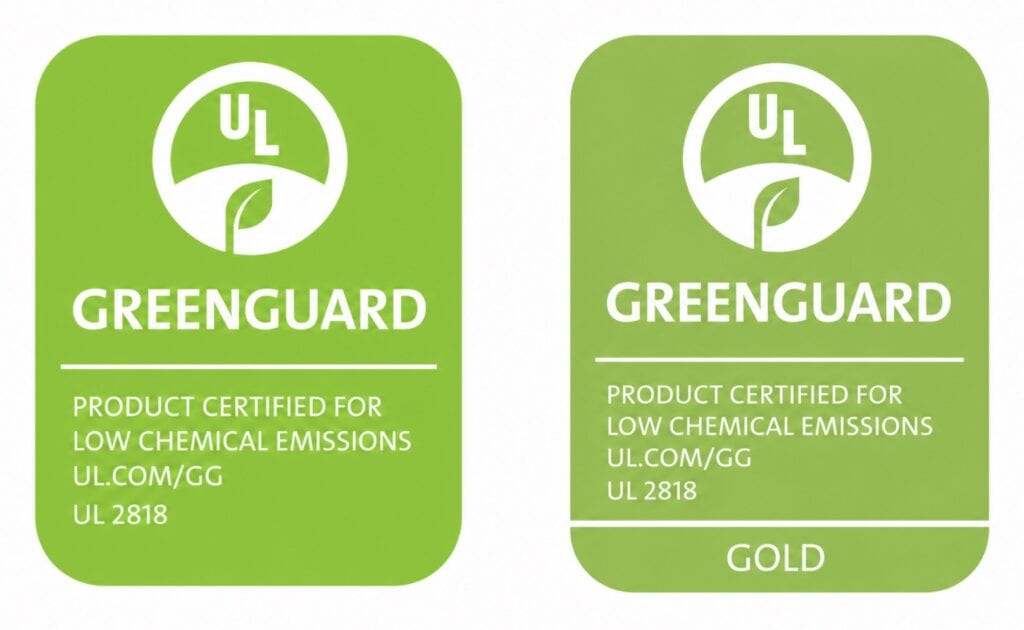
Look for labels that tell you the product has been tested or regulated for formaldehyde or VOC emissions.
Helpful labels include:
- EPA TSCA Title VI compliant: This means the MDF or composite wood product must meet U.S. formaldehyde emission standards. The EPA says composite wood products sold in the U.S. must be labeled TSCA Title VI compliant.
- CARB Phase 2 compliant: This refers to California’s formaldehyde emission limits for composite wood. Many U.S. products reference CARB alongside EPA rules.
- GREENGUARD Gold: This tests finished products for low chemical emissions, including VOCs. It is useful for furniture, nursery items, and school products.
- No-added-formaldehyde or ultra-low-emitting formaldehyde: These claims can help, but they should come with proof from the brand or a third-party certificate.
Practical Buying Tips

When shopping for MDF furniture, check the full product, not just the material name.
Choose MDF that is:
- Fully painted, laminated, or veneered
- Sealed on the top, bottom, back, and edges
- Clearly labeled with formaldehyde or VOC information
- Free from a strong chemical smell
- Made by a brand that shares testing details
Avoid MDF when:
- The edges are raw or exposed
- The product has a strong odor that does not fade
- The brand gives no information about emissions
- You need furniture for a nursery or bedroom and cannot verify testing
After buying MDF furniture, give it time to air out before placing it in a sleeping area. Open windows when possible.
If a new MDF item smells strong, keep it out of sleeping areas until the odor fades.
Keep the piece away from heat or damp areas, since heat and moisture can increase emissions.
If you are doing a DIY project, cut and sand MDF outdoors when possible. Use dust collection and wear a properly fitted respirator. MDF dust is not something you want settling around your home.
Conclusion
MDF is not automatically toxic, but some products can release formaldehyde and VOCs. The biggest factors are emissions, sealing, and ventilation rather than the MDF label alone.
When possible, choose products with clear emissions certifications, sealed surfaces, and minimal odor. For most households, focusing on lower-emission MDF is a more practical approach than avoiding MDF entirely.