Is Plywood Toxic? Understanding Formaldehyde, VOCs, and Safer Options

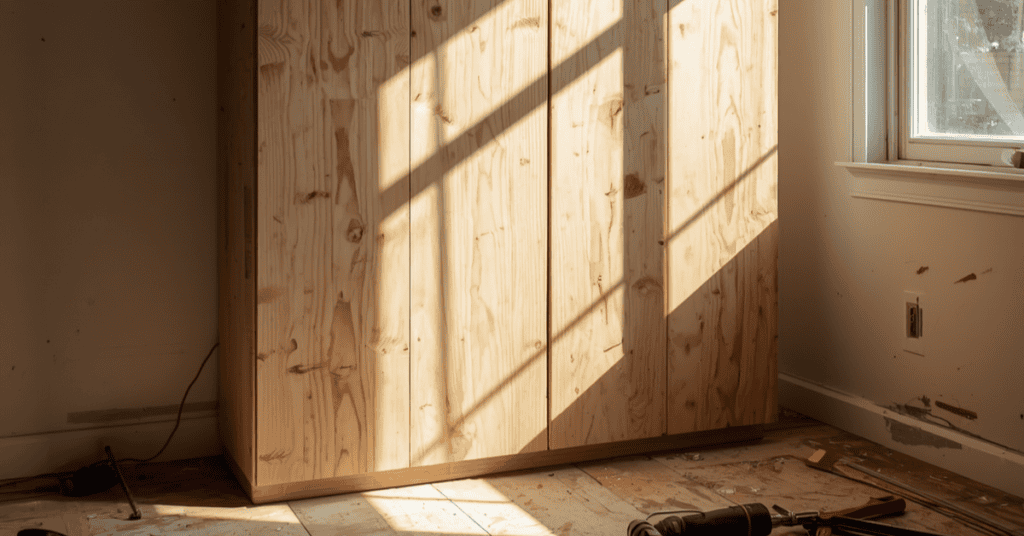
Plywood is used in everything from cabinets and subfloors to furniture and shelving, so it is understandable to wonder whether it is a healthy material to bring into your home.
The concern usually has less to do with the wood itself and more to do with the adhesives, resins, and finishes used to hold the layers together.
This matters because formaldehyde, which can be released from some pressed wood products, is listed by the CDC as a chemical that may irritate the eyes, nose, throat, and lungs.
The good news is that not all plywood is made the same, and choosing lower-emission options can make a meaningful difference.
Plywood can be safe, but it depends on the adhesives, finishes, and emissions.
Some plywood releases formaldehyde or VOCs into indoor air, especially when it is new, unfinished, or poorly labeled.
For a safer choice, look for low-emission certifications, sealed edges, and no-added-formaldehyde options.
Why Plywood Raises Concerns
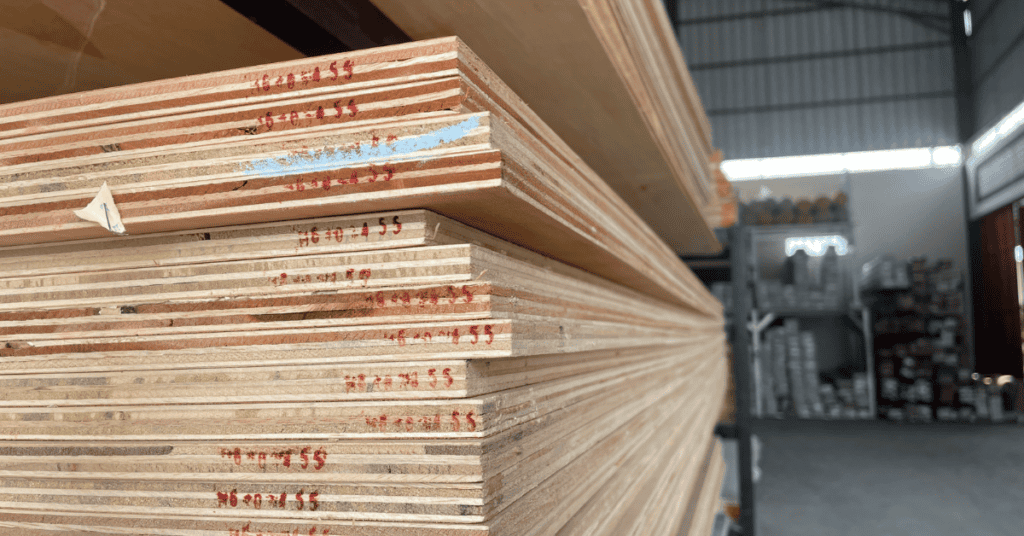
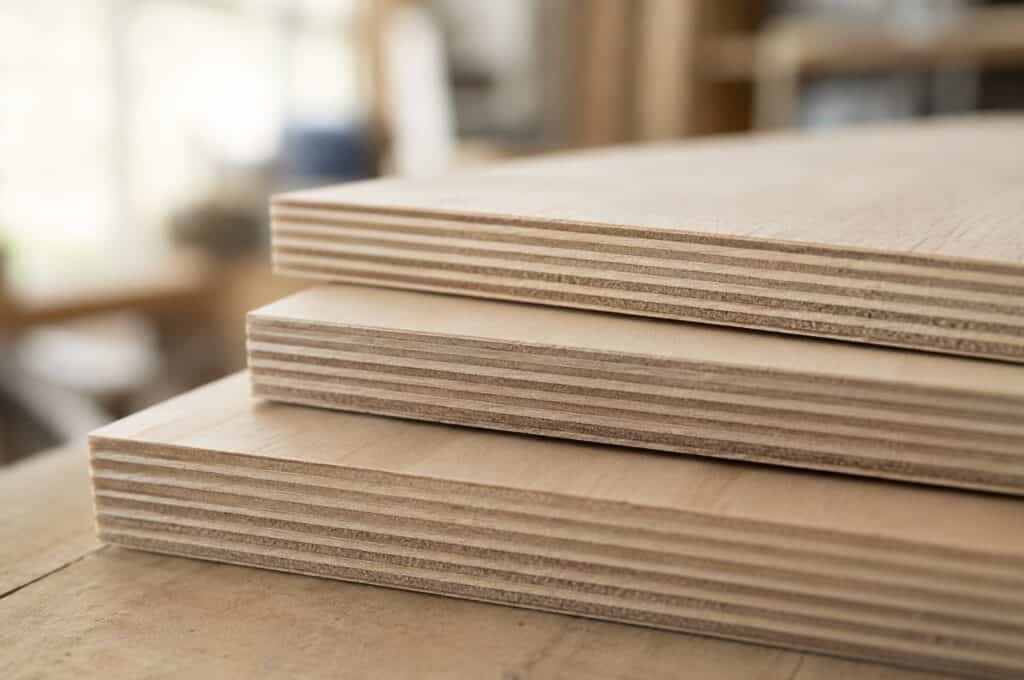
Plywood is made by layering thin sheets of wood veneer and bonding them under heat and pressure.
Some plywood uses synthetic resins that can release small amounts of formaldehyde or other VOCs into indoor air, especially when the product is new.
Formaldehyde is discussed in health research because people can breathe it from indoor materials, and higher indoor levels can irritate the eyes, nose, throat, and airways in some people.
Off-gassing happens when chemicals slowly move from a material into the surrounding air. This is often strongest when a product is new.
This does not mean every plywood product is unsafe. It means plywood should be judged by how it is made, what resin system it uses, and whether it meets low-emission standards.
Plywood is just one example of how material choices can affect indoor air quality. Different furniture materials vary widely in their emissions, durability, and potential health concerns.
The main factors that matter are:
- Adhesives and resins: These bond the wood layers together.
- Formaldehyde emissions: Some resins release formaldehyde into indoor air.
- Other VOCs: Finishes, coatings, stains, and sealants can release additional VOCs.
- Product quality: Certified plywood is easier to evaluate than unlabeled plywood.
- Indoor use: Plywood used in bedrooms, nurseries, or poorly ventilated rooms deserves closer attention.
What Makes Plywood Riskier

Some plywood products release more chemicals into indoor air than others. The biggest differences come from the resin type, surface treatments, product quality, and where the plywood is used.
Risk is usually higher when plywood is:
- Newly installed or newly purchased
- Used in large amounts indoors
- Made with higher-emitting resins
- Left with raw or exposed edges
- Finished with strong-smelling stains, paints, or sealants
- Installed in rooms with poor airflow
- Sold without clear emissions labels or certifications
New plywood products often smell strongest at first because fresh materials and finishes are still releasing chemicals into the air.
Formaldehyde-Based Resins
Some plywood is made with formaldehyde-based resins. These resins help bond the wood layers together and make the panel strong.
Common examples include urea-formaldehyde and phenol-formaldehyde resins, with urea-formaldehyde generally associated with higher indoor formaldehyde emissions.
For everyday shoppers, the key question is not just “Does this contain plywood?” A better question is: Does this plywood meet low-emission standards?
Be more careful with plywood when:
- The product has a strong chemical smell
- The brand does not list emissions compliance
- The plywood is used in a bedroom, nursery, or small closed room
- You are cutting, sanding, or installing many panels at once
- Someone in the home is sensitive to indoor air pollutants
VOCs and Finishes
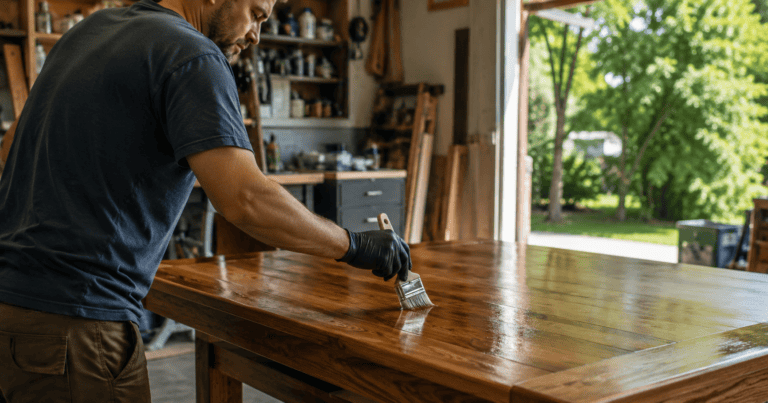
Plywood emissions do not always come from the wood panel alone. Added finishes can release VOCs into indoor air.
These may include:
- Paints
- Stains
- Varnishes
- Sealants
- Edge treatments
- Spray coatings
- Adhesives used during installation
This matters because a low-emission plywood core can still smell strong if it is coated with a high-VOC finish. The full product matters, not just the plywood sheet underneath.
When shopping, ask about both the plywood panel and the finish. A low-emission core can still be coated with a high-VOC stain or sealant.
Freshly finished plywood usually releases the most odor at first. Good ventilation, curing time, and low-VOC finishes can reduce what you breathe indoors.
Safer Labels to Look For
Labels do not make plywood perfect. They help you find products with clearer testing, stricter emissions limits, or better material transparency.
For plywood used inside the home, focus on labels that address formaldehyde emissions and indoor air quality.
Sourcing labels can be helpful too, but they do not always tell you how much a product emits indoors.
Look for:
- EPA TSCA Title VI compliant
- CARB Phase 2 compliant
- GREENGUARD Gold certified
- No-added-formaldehyde
- Formaldehyde-free
- FSC-certified wood
EPA TSCA Title VI compliant means the plywood falls under federal formaldehyde emissions rules for composite wood products.
The EPA says hardwood plywood, MDF, and particleboard must meet TSCA Title VI formaldehyde emission standards when sold, supplied, made, or imported in the United States.
CARB Phase 2 compliant refers to California’s formaldehyde emissions standard for composite wood products.
You may still see this label on plywood, cabinets, flooring, and furniture. It tells you the product was made to meet formaldehyde limits, not that it is chemical-free.
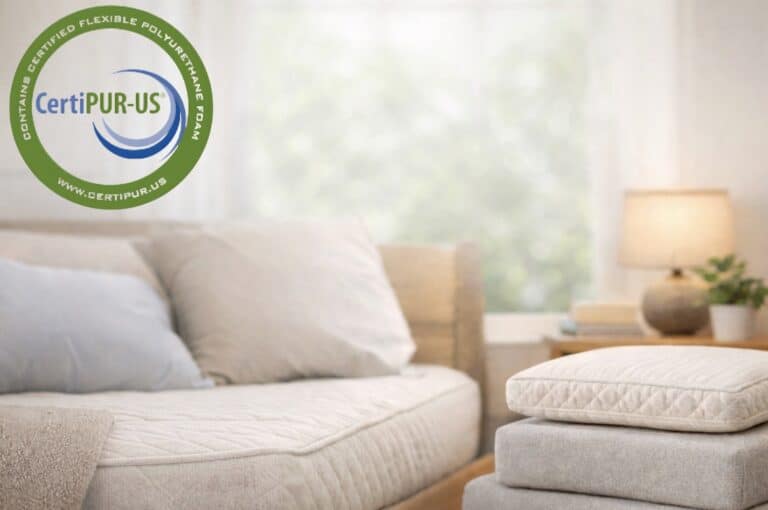
GREENGUARD Gold certified is broader. It looks at chemical emissions from the finished product, not only formaldehyde from the wood panel.
Product emissions testing looks at what comes out of the finished item into the air, not just what ingredients went into it.
This label is especially useful for furniture, cabinetry, and products used in bedrooms or children’s spaces.
No-added-formaldehyde means the manufacturer did not intentionally use formaldehyde-based resin in the plywood.
This can be a helpful choice for indoor furniture and cabinets. Still, check whether the final product has low-VOC finishes or coatings.
Formaldehyde-free sounds stronger, but read carefully. Some brands use this phrase loosely.
Ask whether the plywood uses formaldehyde-free adhesives and whether the finished product has emissions testing.
FSC-certified wood speaks to responsible forest sourcing. It does not automatically mean the plywood is low-VOC or formaldehyde-free.
Use FSC for wood sourcing, not indoor air quality. Pair it with an emissions label if you are choosing plywood for indoor furniture.
The best labels answer different questions:
- TSCA Title VI: Does it meet U.S. formaldehyde rules?
- CARB Phase 2: Does it meet California formaldehyde limits?
- GREENGUARD Gold: Has the finished product been tested for low chemical emissions?
- No-added-formaldehyde: What type of resin was used?
- FSC: Was the wood sourced more responsibly?
For indoor plywood, one label is helpful.
Two types of labels are better. A cabinet with TSCA Title VI compliance and GREENGUARD Gold certification gives you more information than a cabinet with only a vague “eco-friendly” claim.
How to Choose Safer Plywood

Choosing safer plywood is mostly about checking what you can verify. Do not rely on words like “natural,” “eco,” or “green” by themselves.
If you’re still deciding whether plywood is the right choice, comparing it with other common furniture materials can help you choose the best option for your home.
Start with these steps:
- Look for emissions labels first.
Choose plywood or plywood furniture labeled EPA TSCA Title VI compliant, CARB Phase 2 compliant, or GREENGUARD Gold certified. - Ask about the resin.
Look for no-added-formaldehyde or formaldehyde-free adhesives when available. This is especially helpful for cabinets, shelves, and bedroom furniture. - Let new items air out.
New plywood furniture can smell stronger at first. Unbox it in a ventilated space before placing it in a bedroom or nursery. - Ventilate after installation.
Open windows when possible. Use fans or air purifiers with activated carbon if the room smells chemical-like after installation. - Be careful with cutting and sanding.
Cutting plywood exposes fresh edges and creates dust. Work outdoors or in a ventilated area, and wear a proper mask when sanding.
Key Takeaway: Clear product details make plywood easier to evaluate than broad marketing claims.
Conclusion
Plywood is not automatically toxic, but it is worth checking how it was made before bringing it into your home.
The safest choices are usually products with clear emissions labels, sealed surfaces, low-VOC finishes, and transparent material details.
You do not need to avoid plywood completely. With a few smart checks, you can choose plywood furniture, cabinets, and home materials that better support a healthier indoor space.