The 7 Best Organic, Non Toxic Mattresses Going into 2027 (Reviewed)

Choosing a genuinely non-toxic mattress can be difficult because terms like “natural,” “green,” and “organic” do not always describe the complete construction.
This matters because the EPA notes that levels of several organic pollutants can be higher indoors than outdoors. Rather than relying on front-of-label claims, this guide examines each mattress from its cover and comfort layers to its fire barrier, support core, and adhesives.
The goal is to help you compare safety, comfort, certifications, and cost so you can choose the best option for your needs.
In this article, we researched and reviewed leading non-toxic mattress brands to identify the best options, while also breaking down the materials, certifications, and construction that separate truly non-toxic mattresses from marketing claims.
The Goodness Well is reader-supported. Some links in this article may be affiliate links, but every recommendation follows our editorial standards and independent review process. Learn more about our editorial standards and review methodology.
Why Choose a Non-Toxic Mattress?
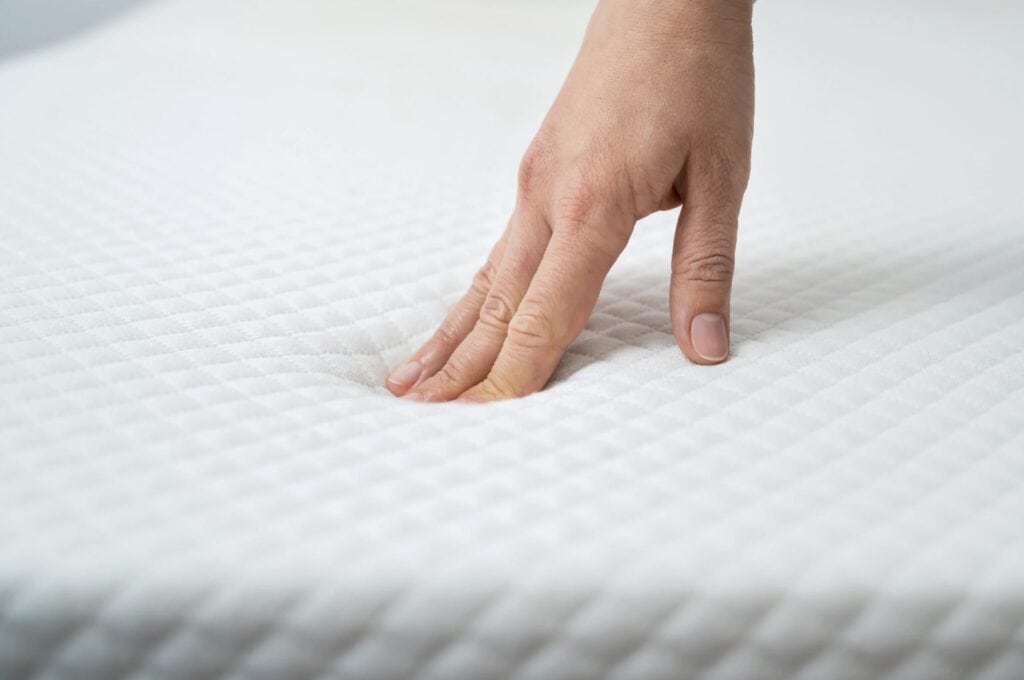
You spend about a third of your life in bed, making your mattress one of the products in your home that you interact with the most.
It’s also one of the largest upholstered items in a bedroom, often containing multiple layers of materials that aren’t visible from the outside.
Many conventional mattresses may include:
- Polyurethane or memory foam
- Synthetic fabrics
- Chemical adhesives
- Flame barrier materials
- Waterproof or stain-resistant treatments
Some of these materials can release volatile organic compounds (VOCs), particularly when a mattress is new.
Most new mattress odors come from VOCs released by foams, adhesives, and other materials—not the mattress itself becoming “toxic.” The smell usually fades over time as VOC emissions decrease.
That doesn’t mean every conventional mattress is a bad choice.
Instead, we recommend focusing on brands that clearly disclose their materials, use reputable third-party certifications, and provide transparency about how their mattresses are constructed.
The sections below explain exactly what to look for when comparing your options.
What Makes a Mattress Non-Toxic?
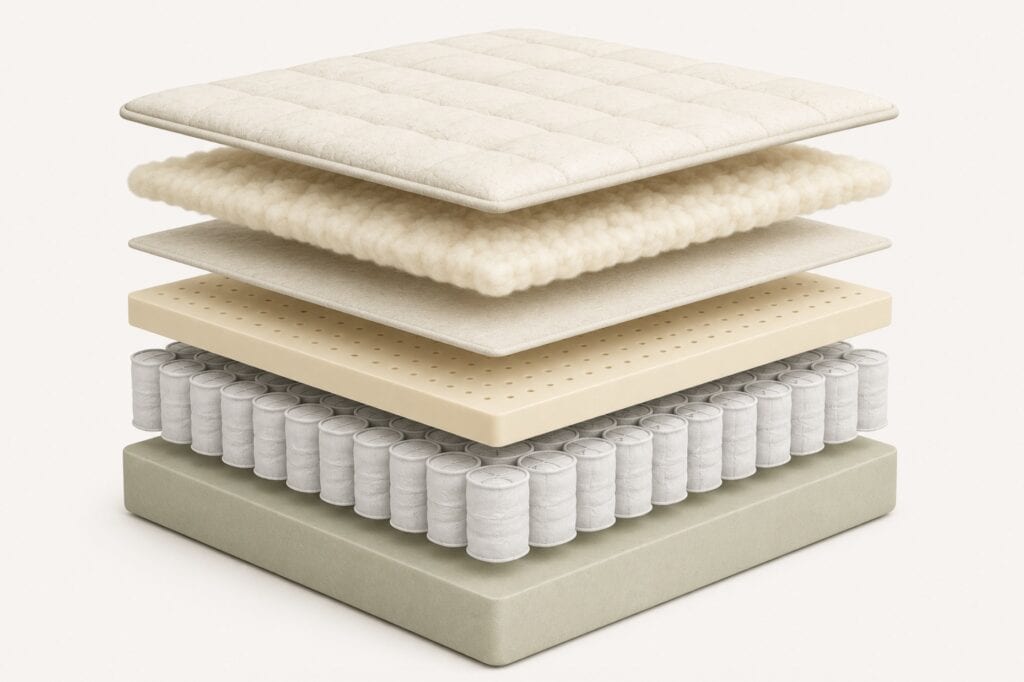
There’s no single feature that makes a mattress non-toxic. Instead, it’s the combination of materials, construction, certifications, and transparency that gives you a better picture of what you’re actually bringing into your home.
While terms like “natural” and “organic” are often used interchangeably, they don’t mean the same thing.
“Natural” simply describes a material, while “organic” carries more weight when it’s backed by a recognized third-party certification and a verifiable certificate number.
The good news is that you don’t have to memorize every material or certification. Once you know what to look for, comparing mattresses becomes much easier.
Read Every Layer
A mattress is only as good as what’s inside it. Rather than judging it by the cover or marketing claims, work your way through each layer.
Start with the materials closest to your body.
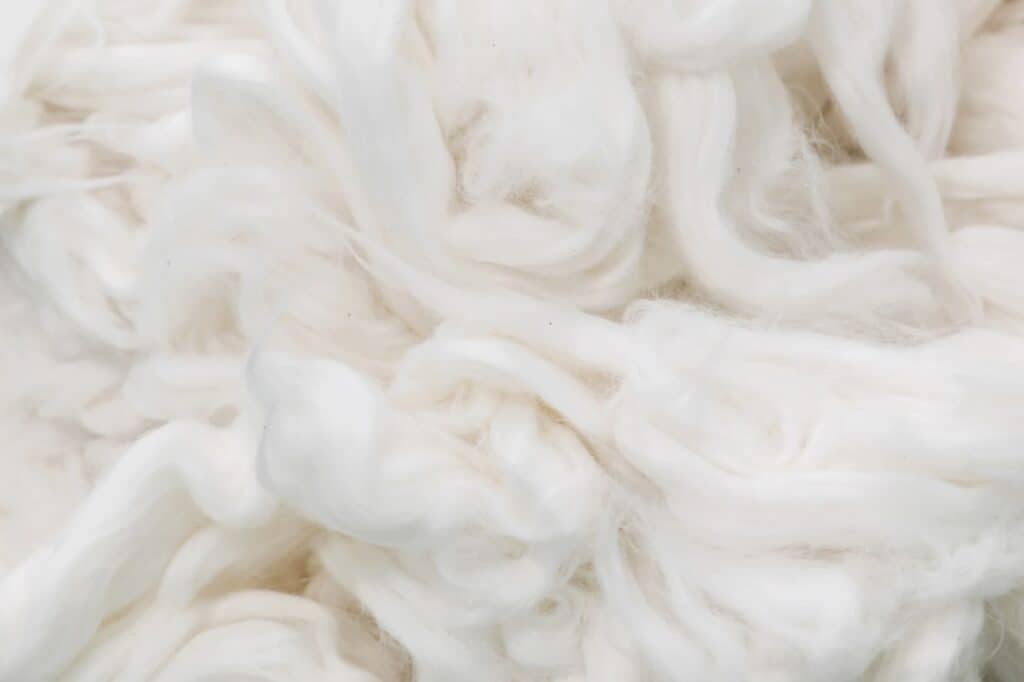
Organic cotton, wool, and certified latex reduce reliance on petroleum-based foams and synthetic fabrics, but an organic cotton cover alone doesn’t make the entire mattress organic.
Next, look beneath the surface.
Comfort and support layers may contain natural latex, synthetic latex, blended latex, steel coils, polyurethane foam, or memory foam—even if the mattress appears to be made from natural materials.
The fire barrier deserves just as much attention.
Wool can meet flammability standards without added chemical treatments, while other mattresses may use thistle fiber, rayon, polyester, fiberglass, or blended barriers. Claims like “chemical-free flame barrier” sound reassuring but don’t actually tell you what material is being used.
Finally, don’t overlook the finishing details.
Some mattresses rely on adhesives to hold layers together, while others use stitching or tufting.
It’s also worth checking for waterproof or stain-resistant treatments, as some products may use PFAS. Claims such as “No intentionally added PFAS” are helpful, but independent testing provides stronger evidence.
The same principles apply when evaluating other furniture in your home, where engineered wood, adhesives, finishes, and upholstery materials can all contribute to a product’s overall chemical profile.
Understand Off-Gassing
If you’re concerned about chemical exposure, off-gassing is one of the first things to understand. Off-gassing occurs when volatile organic compounds (VOCs) are released from materials into the air, particularly when a mattress is new.
Common sources of VOC emissions include:
- Polyurethane foam
- Memory foam
- Adhesives
- Certain surface treatments and coatings
Off-gassing happens when volatile compounds escape from foams, adhesives, or surface treatments into indoor air. Odor alone does not reveal how much a mattress emits.
While off-gassing often causes the “new mattress smell,” odor alone doesn’t tell the whole story. Some natural materials, such as wool and natural latex, have their own distinct scent, while some mattresses with very little odor may still lack independent emissions testing.
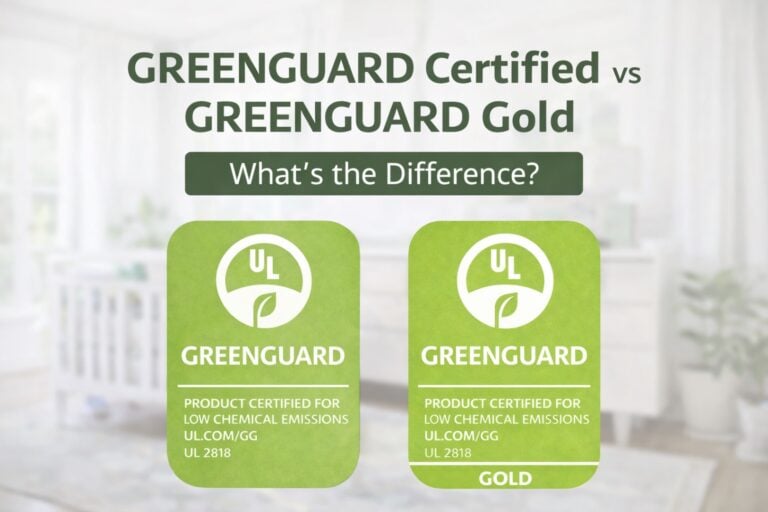
If you’re especially sensitive to odors or chemical exposures, look for mattresses with transparent material disclosure and finished-product emissions certifications like GREENGUARD Gold. Even with natural materials, it’s still a good idea to let a new mattress air out in a well-ventilated room for a day or two before sleeping on it.
Certifications That Matter
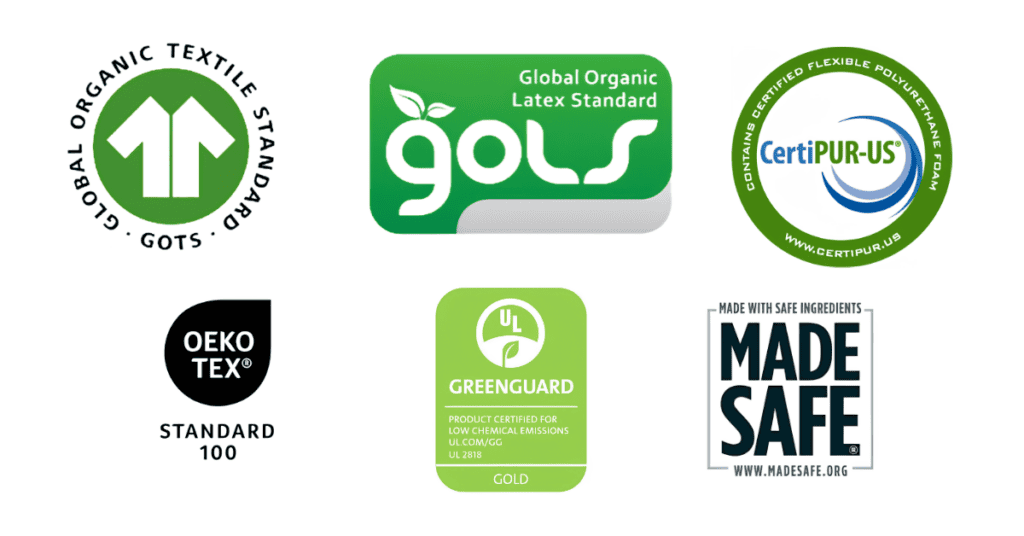
No single certification verifies every mattress layer and claim. The strongest evidence usually comes from overlapping standards covering organic content, chemical inputs, emissions, and sourcing.
Always check what was certified. A material certificate may cover one latex layer or textile, while a finished-product certificate can apply to the assembled mattress.
Organic and Sourcing Standards
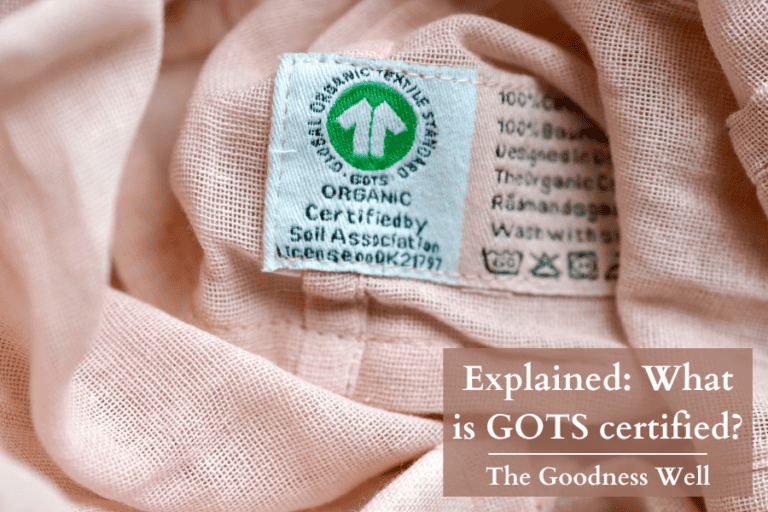
- GOTS applies to organic textiles and covers processing, manufacturing, labeling, and supply-chain controls. A GOTS finished-product certificate for the mattress carries more weight than a GOTS-certified cotton cover alone.
- GOTS-certified products may contain at least 70% certified organic fibers, while the stricter “organic” label grade requires at least 95%.
- GOLS verifies latex products made from certified organic natural rubber and includes processing and traceability requirements. It applies to the latex, not automatically to the cotton cover, wool barrier, coils, or adhesives.
- FSC addresses responsible forest management and chain-of-custody sourcing. For mattresses, it may apply to wood or rubber-tree materials. It does not test VOC emissions or confirm that an entire mattress is non-toxic.
For organic claims, use this order of preference:
- Finished-product GOTS certification
- GOLS certification for latex
- Component-level GOTS certificates
- Unverified “organic” or “natural” wording
Chemical and Emissions Testing
- GREENGUARD Gold tests finished products for low chemical emissions under stricter limits than standard GREENGUARD certification. It supports indoor-air-quality claims but does not verify organic content or responsible sourcing.
- MADE SAFE screens product inputs against a large restricted-substance list and evaluates human and ecosystem concerns. It provides broader ingredient scrutiny, but it does not tell you how firm, durable, or supportive a mattress will feel.
- OEKO-TEX Standard 100 tests textiles for harmful substances. Certification can apply from yarn to a finished textile product, so confirm whether the label covers the mattress, cover, wool, or another component. It does not mean the material is organic.
- eco-INSTITUT tests mattresses and bedding for emissions, odors, and selected hazardous substances. It supports low-emission claims but does not certify farming practices or organic content.
- CertiPUR-US applies only to flexible polyurethane foam, including memory foam. It tests that foam for content, emissions, and durability. It does not certify the full mattress or turn polyurethane foam into an organic material.
For shoppers prioritizing reduced chemical exposure, look for three separate forms of verification:
- Organic material certification
- Finished-product emissions testing
- Ingredient or harmful-substance screening
Choosing the Right Build
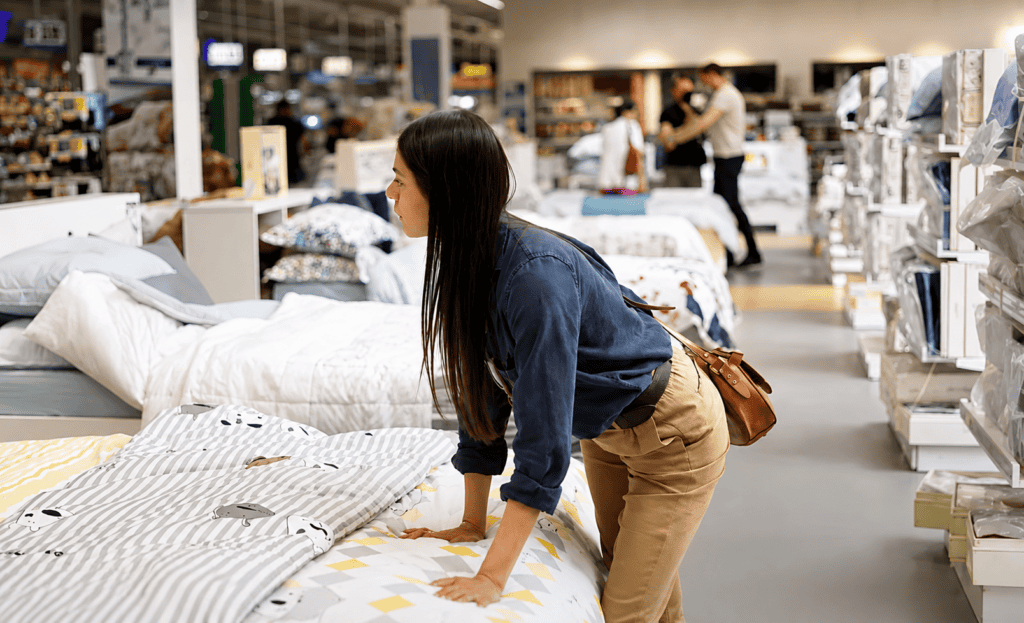
The best mattress construction depends on what you value most. Some shoppers prioritize the fewest synthetic materials, while others want a balance of comfort, support, and affordability. Understanding the differences can help you narrow your options.
All-Latex Mattresses
If your goal is to minimize synthetic materials, an all-latex mattress is usually the best place to start. When made with natural or organic latex, these mattresses avoid polyurethane foam altogether while offering excellent durability and responsiveness. The tradeoff is that they’re often heavier and more expensive than other mattress types.
Latex Hybrid Mattresses
For many people, a latex hybrid offers the best balance of materials, comfort, and value. These mattresses pair latex comfort layers with individually wrapped steel coils, creating better airflow and stronger edge support than an all-latex design. Just remember that some hybrids still use polyurethane foam around the edges or rely on adhesives to hold layers together, so it’s worth checking the full material list.
Dunlop vs. Talalay Latex
If you’re comparing latex mattresses, you’ll probably come across both Dunlop and Talalay latex. Dunlop has a denser, firmer feel, while Talalay tends to feel softer and more buoyant. Neither process automatically means the latex is organic or 100% natural, so always check the certification and the percentage of natural latex used.
Wool Mattresses
Wool mattresses take a different approach by avoiding both latex and polyurethane foam. They’re a good fit for shoppers looking for a mattress made primarily from natural fibers, but they don’t feel the same as latex or coil mattresses. Because wool gradually compresses over time, these mattresses may also benefit from occasional rotating or refluffing.
Match the Mattress to Your Sleep Style
Construction is only one part of the equation—comfort matters just as much. Side sleepers often prefer more pressure relief around the shoulders and hips, while back and stomach sleepers usually benefit from a firmer, more supportive surface. Heavier individuals may also want thicker support layers or stronger coil systems to maintain proper support over time.
Compare the full build before choosing a firmness. Check the comfort layer, support core, fire barrier, and adhesives—not only the top cover.
The Best Organic & Non Toxic Mattresses
PlushBeds
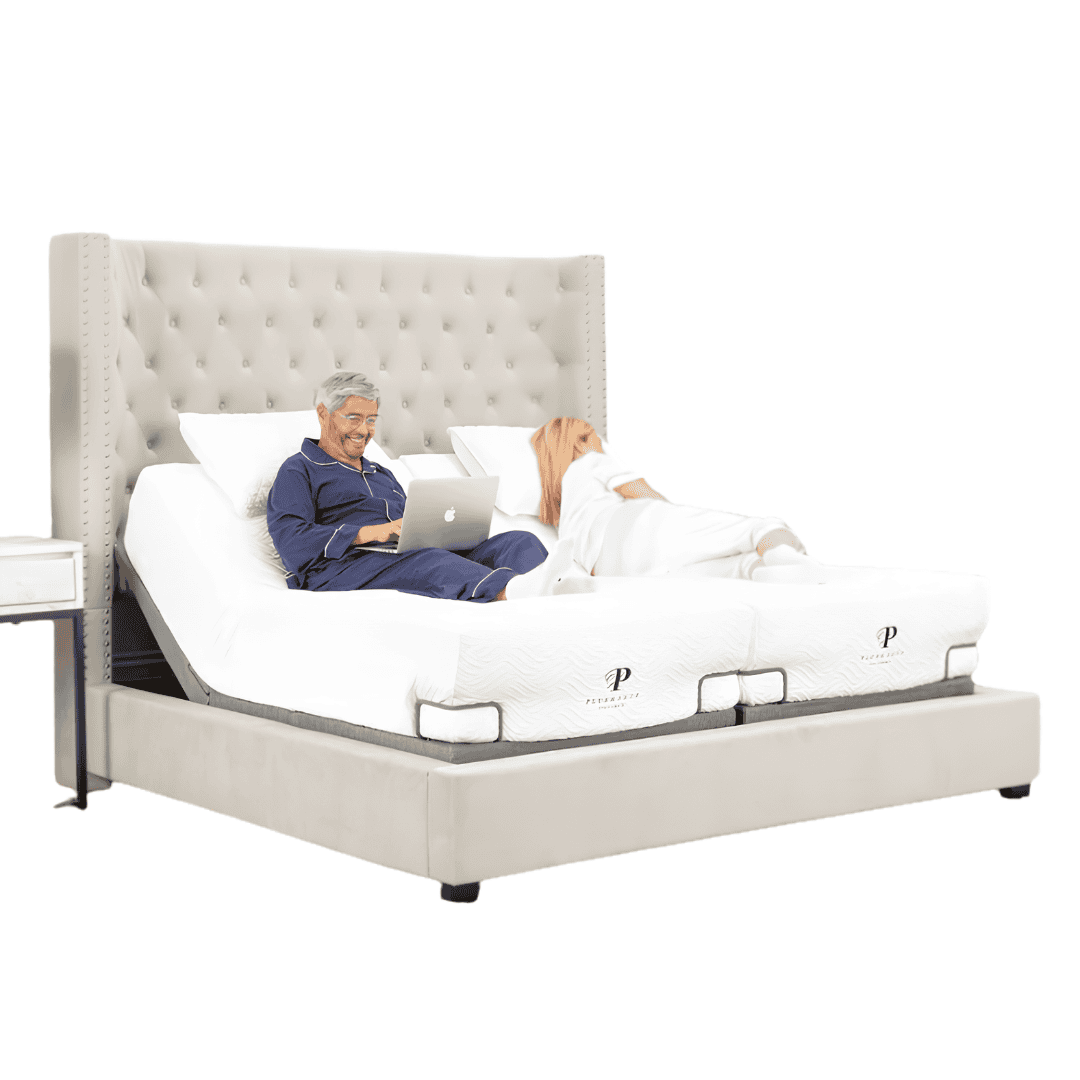
PlushBeds is our top pick because they make organic mattresses backed by third-party certifications which are made in-house at the brand’s certified organic factory in California rather than outsourced overseas.
Its organic models use GOLS-certified organic latex with GOTS-certified organic cotton and wool, while certifications such as GREENGUARD Gold and eco-INSTITUT provide additional testing for chemical emissions and harmful substances.
The lineup is unusually broad, covering solid latex, latex hybrids, children’s mattresses, traditional luxury mattresses, and lower-priced foam hybrids.
Models such as the Botanical Bliss and Organic Kids Mattress are especially strong for shoppers trying to avoid polyurethane foam, chemical flame retardants, and solvent-based adhesives.
Keeping production under one roof also gives the company more control over its materials, craftsmanship, and supply chain.
The main drawback is that not every PlushBeds mattress is fully organic or foam-free, so you need to compare the materials and certifications for the specific model you are considering.
Product Highlights:
- Price Range: $699–$4,699 based on the visible sale prices
- Materials: Organic latex, organic cotton, organic wool, encased coils, Tencel™, memory foam, gel foam, cashmere, alpaca, and horsetail hair
- Finish / Adhesives: Select organic models state no solvent-based chemical adhesives; details vary by mattress
- Certifications: GOLS, GOTS, GREENGUARD Gold, eco-INSTITUT, Control Union, CertiPUR-US®, and OEKO-TEX® Standard 100
- Safety: Select models contain no polyurethane foam, memory foam, chemical fire retardants, formaldehyde, phthalates, or intentionally added PFAS
- Functionality: Latex, hybrid, solid-latex, children’s, cooling, and adjustable-firmness options
- Sustainability: Renewable materials, direct-to-consumer shipping, audited organic supply chain, and in-house manufacturing
- Made In: Camarillo, California, USA
- Warranty / Shipping: Free shipping on eligible models; trial periods of 100 or 365 nights; warranties range from 25 years to lifetime
- Best For: Shoppers wanting a wide choice of certified organic and lower-emission mattresses made in the USA
- Downside: Materials differ considerably across models, and the highest-end options are expensive
Sleep EZ
Sleep EZ is our second favorite as they are one of the only brands that make non-toxic mattresses for a more affordable price.
Its models use natural Dunlop and Talalay latex, cotton covers, and Joma wool in select designs, with no polyester used in the covers.
Sleep EZ states that all its latex mattresses are OEKO-TEX certified, while its organic latex mattresses are GOLS certified and the Organic Select includes a GOTS-certified cover.
The company also lists eco-INSTITUT, Cradle to Cradle Gold, and Rainforest Alliance certifications for specific latex materials and suppliers.
This is an excellent option for shoppers who want a customizable latex mattress with several relatively affordable entry points.
The downside is that materials and certifications vary by model, so not every mattress has the same organic credentials.
Product Highlights:
- Price Range: $599–$2,100
- Materials: Natural latex, Dunlop latex, Talalay latex, cotton, organic cotton, and Joma wool
- Finish / Adhesives: Adhesive details not disclosed
- Certifications: GOLS, OEKO-TEX, GOTS, eco-INSTITUT, Cradle to Cradle Gold, and Rainforest Alliance
- Safety: No polyester in the covers; brand states its mattresses contain no harmful gases or odors
- Functionality: Customizable firmness; all-latex, hybrid, sofa-bed, RV, and camper options
- Sustainability: Natural and organic materials, certified Joma wool, responsible forestry standards, and renewable-energy certification for a latex supplier
- Warranty / Shipping: Free boxed shipping; warranty and return policy offered, but terms were not visible
- Best For: Shoppers wanting customizable latex or mattresses for specialty spaces
- Downside: Organic materials and certifications are not consistent across every model
Naturepedic
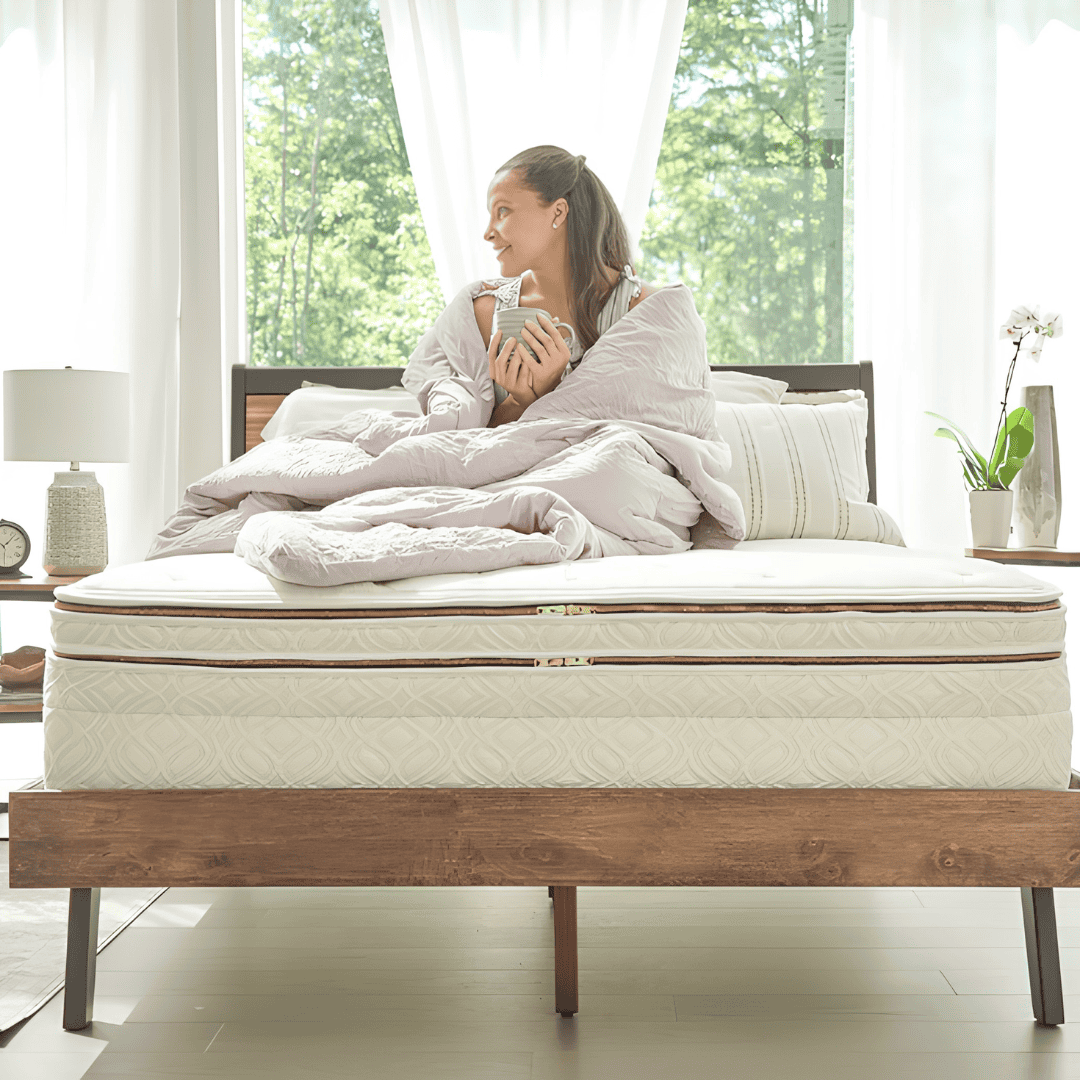
Naturepedic is one of our top choices when it comes to organic mattresses for the whole family, including adults, children, babies, and even pets.
Its adult lineup ranges from the more accessible Traditional collection to the customizable EOS models and luxury Halcyon mattresses, using materials such as organic latex, cotton, wool, coils, microcoils, cashmere, and alpaca.
Its certification list is one of the strongest in this roundup, including GOTS, GOLS, EWG VERIFIED®, GREENGUARD Gold, MADE SAFE®, FSC®, and UL formaldehyde-free validation.
Naturepedic also states that its mattresses contain no flame retardants, chemical flame barriers, or fiberglass, while select crib and children’s models are UL validated for non-detectable PFAS.
This is one of the best choices for families who want certified mattress options for several stages of life.
The downside is the price, especially once you move into the EOS and Halcyon collections.
Product Highlights:
- Price Range: $103–$7,499
- Materials: Organic latex, organic cotton, wool, coils, microcoils, cashmere, alpaca, down, and feathers
- Finish / Adhesives: Adhesive details not disclosed
- Certifications: GOTS, GOLS, EWG VERIFIED®, GREENGUARD Gold, MADE SAFE®, FSC®, OEKO-TEX® Standard 100 Class 1, OCS, RDS, RWS, PETA-Approved Vegan, UL Formaldehyde Free, and UL Non-Detectable PFAS for select products
- Safety: No flame retardants, chemical flame barriers, or fiberglass; UL formaldehyde-free validation
- Functionality: Customizable layers, split comfort, several firmness levels, latex-over-coil and latex-over-latex designs
- Sustainability: Certified organic materials, responsible forestry standards, audited supply chains, vegan models, and published Health Product Declarations
- Warranty / Shipping: 100-night trial with free shipping and returns on the compared adult models
- Best For: Families wanting highly certified mattresses for adults, children, babies, and pets
- Downside: EOS and Halcyon models are considerably more expensive
Eco Terra
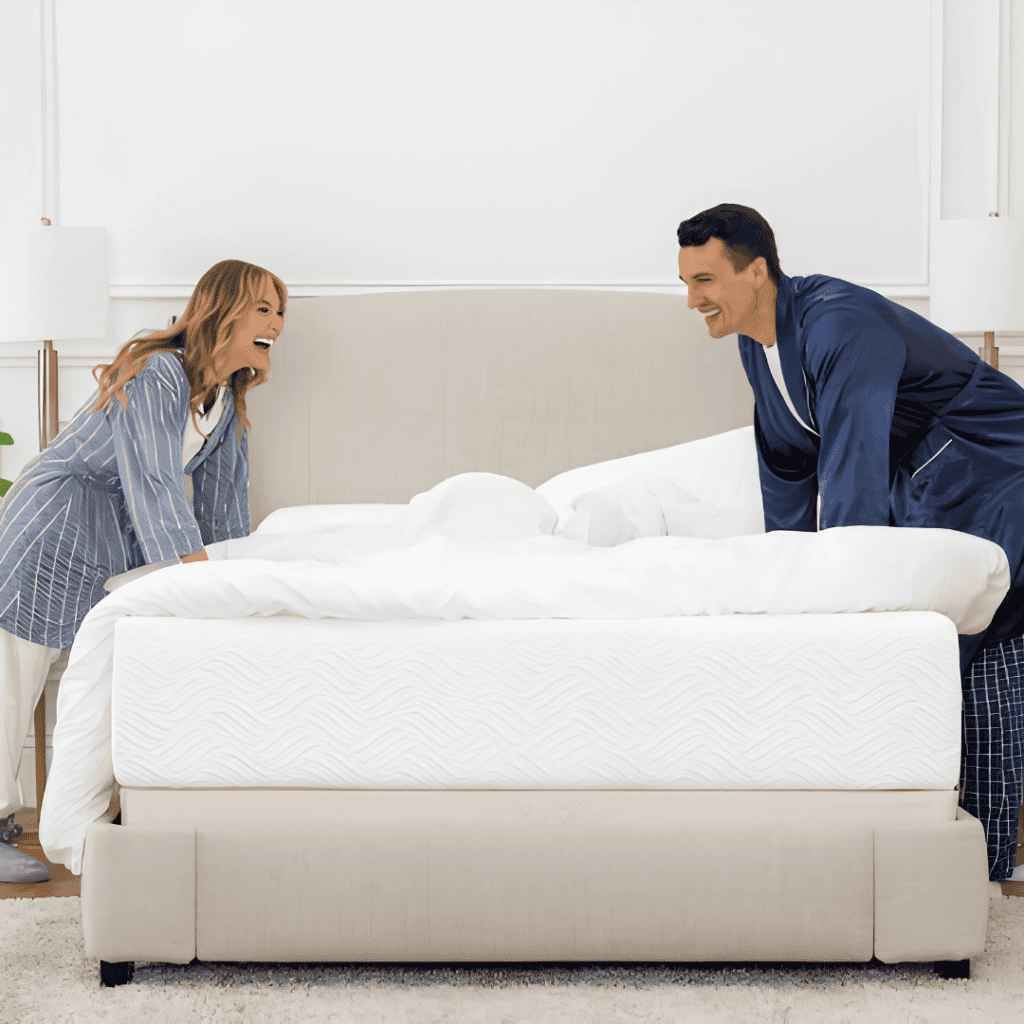
Eco Terra keeps its lineup focused, with California-made mattresses built around latex rather than a long list of different constructions.
Its Hybrid Latex Mattress uses GOLS-certified organic Arpico latex, GOTS-certified organic cotton and wool, and fabric-encased steel coils, with additional OEKO-TEX Standard 100 and eco-INSTITUT certifications.
It contains no polyurethane foam, memory foam, synthetic foam, chemical adhesives, or chemical flame retardants, making it one of the cleaner hybrid options in this roundup.
The mattress comes in medium and medium-firm feels, while the Eco Bliss offers a lower-cost alternative made with organic latex and CertiPUR-US certified foam.
Local manufacturing and upcycled steel coils add to its sustainability credentials.
The main tradeoff is that the Eco Bliss does not use the same all-natural latex-and-coil construction as the flagship model.
Product Highlights:
- Price Range: $709–$2,339
- Materials: GOLS-certified organic latex, GOTS-certified organic cotton and wool, fabric-encased upcycled steel coils; certified foam in the Eco Bliss
- Finish / Adhesives: No chemical adhesives in the Hybrid Latex Mattress
- Certifications: GOLS, GOTS, OEKO-TEX® Standard 100, eco-INSTITUT; GREENGUARD Gold and CertiPUR-US® on the Eco Bliss
- Safety: Flagship model contains no polyurethane, memory foam, synthetic foam, chemical adhesives, or chemical flame retardants
- Functionality: Medium and medium-firm options, reinforced edges, individually encased coils, adjustable-base compatible
- Sustainability: Sustainably sourced latex, upcycled steel coils, and local California production
- Made In: Los Angeles, California, USA
- Warranty / Shipping: 90-night trial, free continental U.S. shipping, and 15-year limited warranty
- Best For: Shoppers wanting a more affordable certified organic latex hybrid made in the USA
- Downside: The Eco Bliss uses certified foam rather than an all-natural latex-and-coil build
Home of Wool
Home of Wool is a bit different from the other brands in this roundup, but for good reason—they’re really in a category of their own.
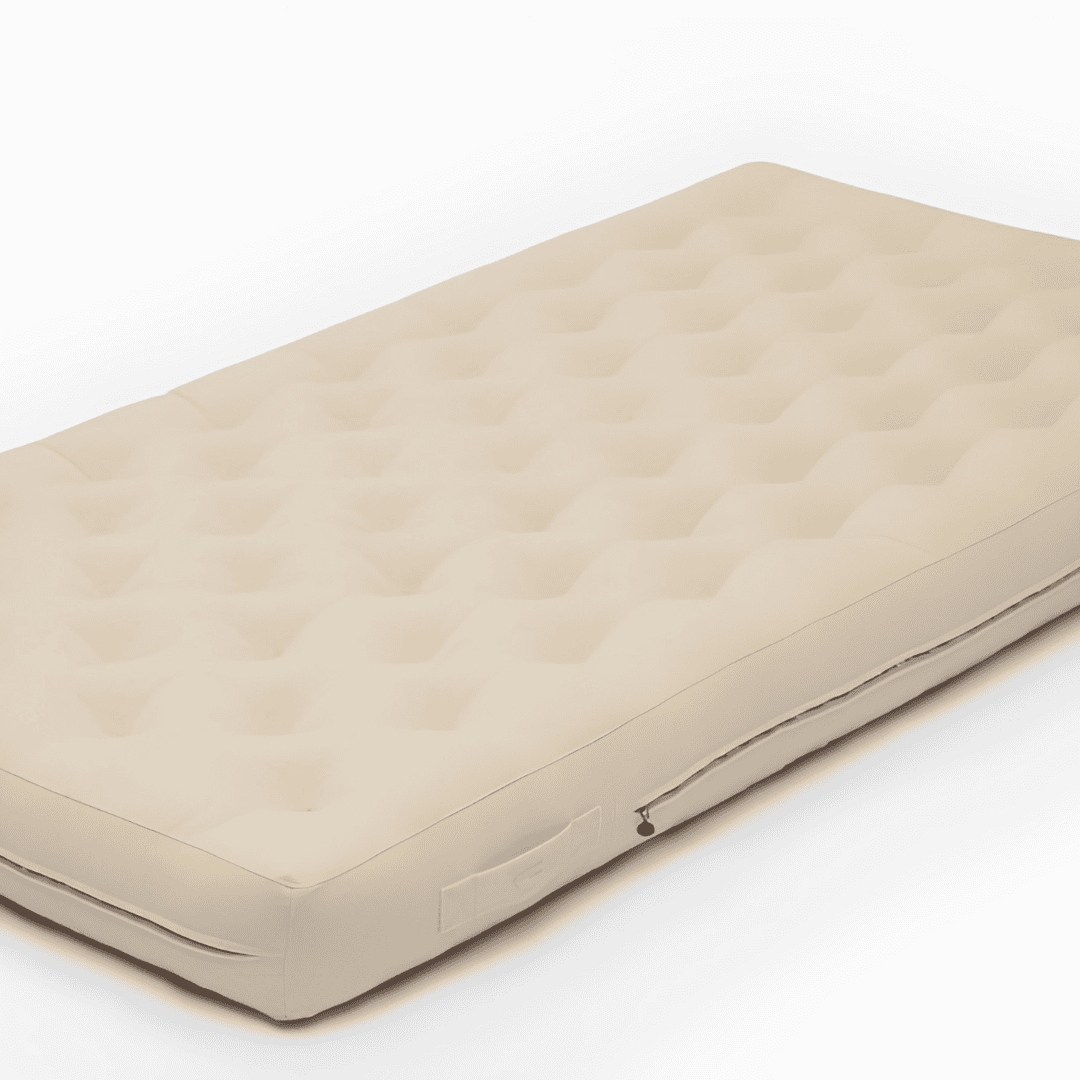
Unlike the latex-heavy brands above, Home of Wool focuses on made-to-order wool mattresses in several practical formats.
Each mattress is handcrafted without foam, glues, flame retardants, or synthetic components, using wool and natural fabrics such as organic cotton, linen, and silk.
Most fillings and fabrics are either GOTS-certified organic or OEKO-TEX Standard 100 certified, although the exact certification varies by material.
The lineup includes traditional, split, foldable, futon, floor, DIY, and zero-waste mattresses, with custom sizing available.
Its biodegradable materials, repairable construction, scrap reuse, and made-to-order production make it one of the more sustainability-focused options in this roundup.
The downside is that most standard mattress styles start above $1,000, and trial and warranty details were not visible in the provided information.
*Get 10% off when using the code “thegoodnesswell” at checkout.
Product Highlights:
- Price Range: $456–$2,990 for mattresses; samples cost $99–$153
- Discount: Get 10% off when using the code “thegoodnesswell” at checkout
- Materials: Wool, organic cotton, linen, and silk
- Finish / Adhesives: No glues, bleaches, flame retardants, or synthetic materials; dyes only noted for striped fabrics
- Certifications: GOTS and OEKO-TEX Standard 100
- Safety: Foam-free construction with no added chemical flame retardants
- Functionality: Traditional, split, foldable, futon, floor, DIY, and custom mattress options
- Sustainability: Made to order, biodegradable, repairable, zero-waste scrap reuse, recyclable LDPE packaging, and reusable bags
- Best For: Shoppers wanting a fully natural, wool-filled mattress without latex, foam, or coils
- Downside: Most full mattress options start above $1,000
Saatva
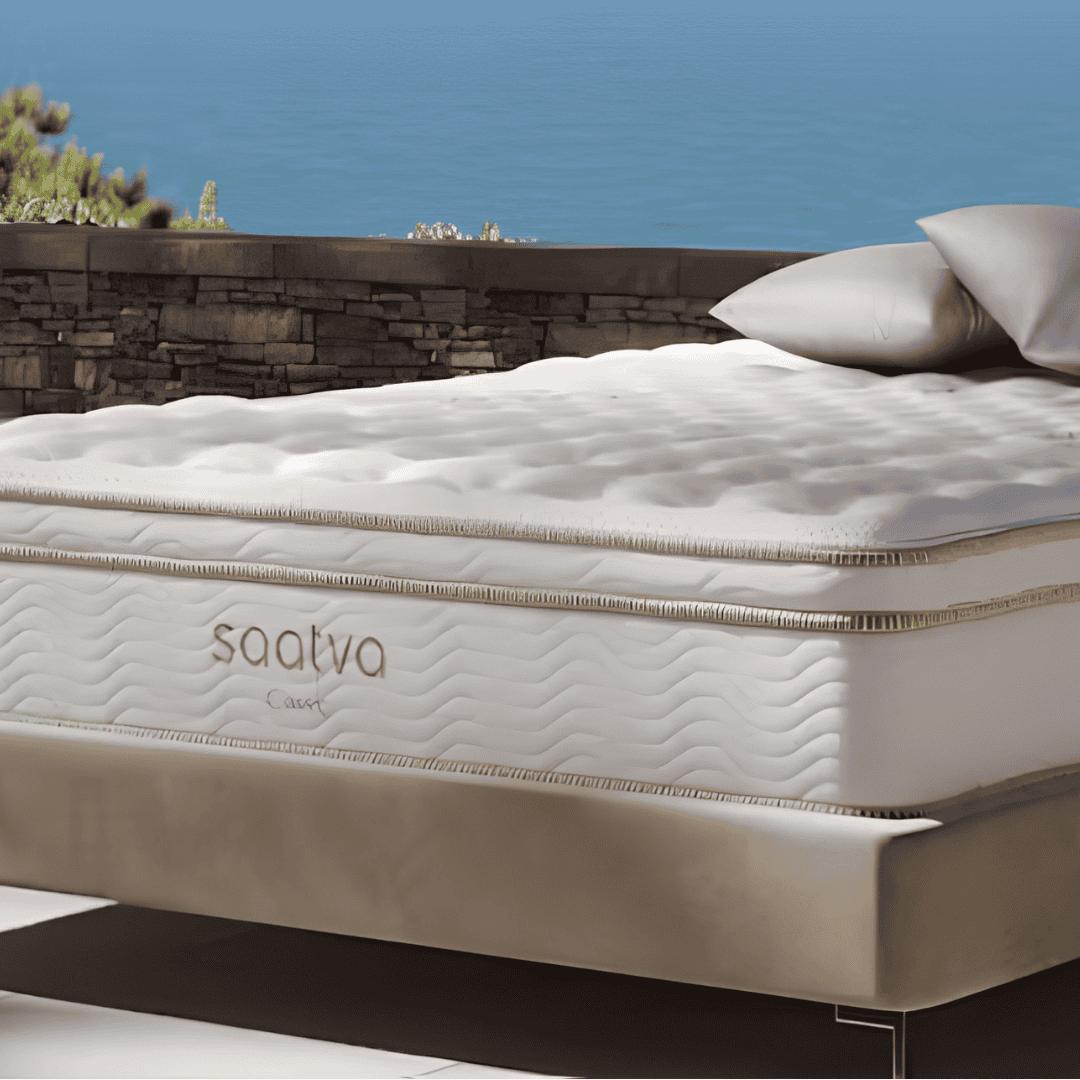
Saatva stands out for its sheer range, with made-to-order mattresses for adults, children, cribs, larger bodies, adjustable firmness, and Murphy beds.
The Zenhaven is the standout for natural-material shoppers, combining GOLS-certified latex with GOTS-certified organic New Zealand wool, while the Saatva Latex Hybrid adds coil support.
Across the wider lineup, Saatva uses materials such as organic cotton blends, recycled steel coils, CertiPUR-US certified foams, and model-specific plant- or wool-based flame barriers.
Its latex mattresses are GREENGUARD Gold and eco-INSTITUT certified, and Saatva says none of its mattresses contain fiberglass or intentionally added PFAS.
U.S. production, free in-room setup, old mattress removal, and a 365-night trial add plenty of practical value.
The tradeoff is that several models still use polyurethane foam or polyester and rayon flame-barrier components, so not every mattress is as natural as the Zenhaven.
Product Highlights:
- Price Range: $359–$5,949 for human mattresses
- Materials: Natural latex, organic wool, organic cotton blends, recycled steel coils, memory foam, and polyurethane foam
- Certifications: GOLS, GOTS, OEKO-TEX® Standard 100, CertiPUR-US®, GREENGUARD Gold, and eco-INSTITUT
- Safety: No fiberglass or toxic chemical flame retardants; no intentionally added PFAS
- Functionality: Innerspring, latex, memory foam, hybrid, adjustable-firmness, children’s, crib, larger-body, and Murphy-bed models
- Sustainability: Made to order, recycled steel coils, REPREVE® recycled polyester, tree planting, and Sustainable Furnishings Council membership
- Made In: USA
- Warranty / Shipping: 365-night trial, free delivery and setup, free mattress removal, and lifetime warranty
- Best For: Shoppers wanting broad mattress choices and white-glove delivery, especially those considering the Zenhaven
- Downside: Materials vary widely, and several models contain synthetic foam or polyester-based components
Avocado
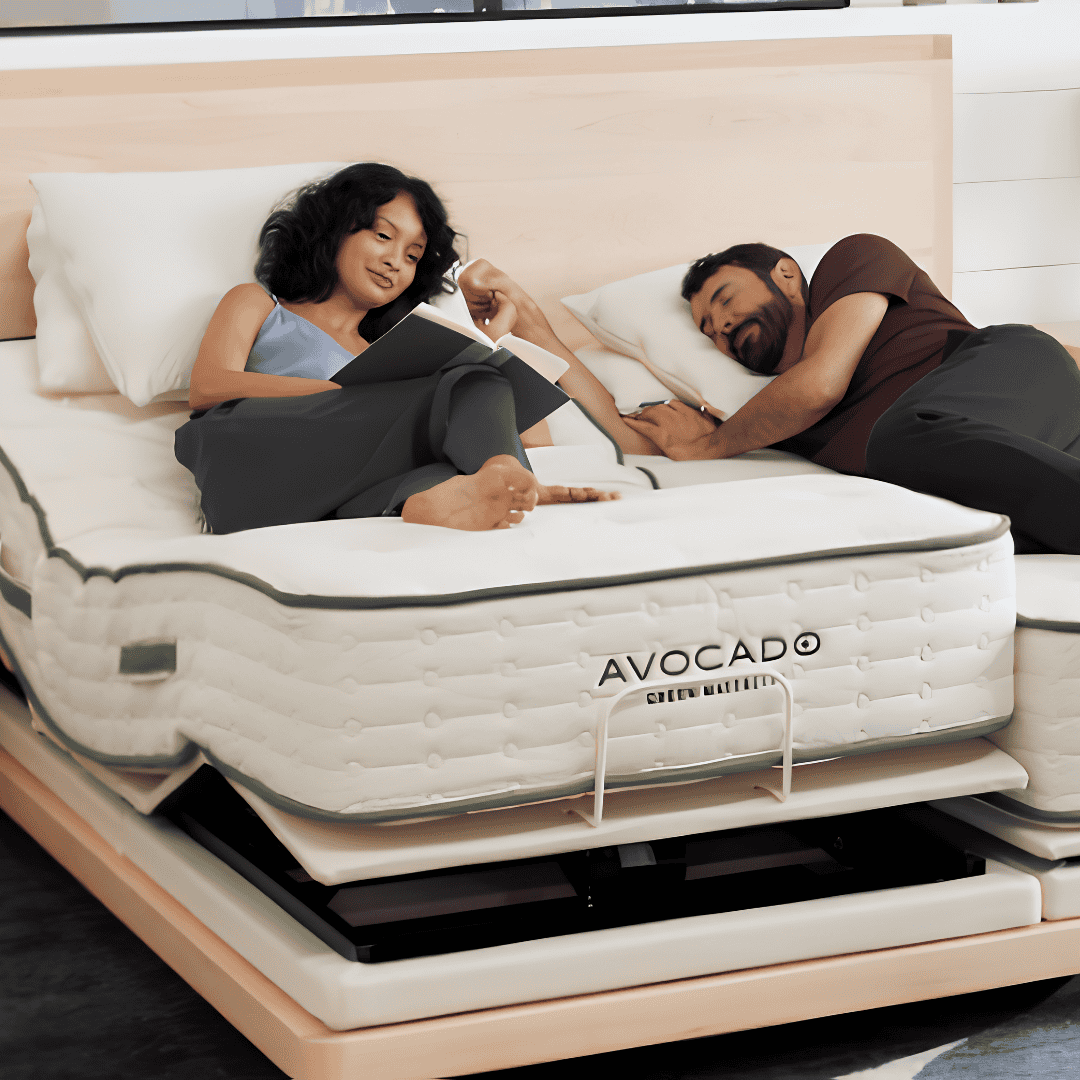
Avocado closes out this roundup with one of the most consistently certified mattress lineups we found.
Every model is GOTS certified as a finished product and also carries OEKO-TEX Standard 100 Class I, MADE SAFE, EWG VERIFIED, and GREENGUARD Gold certifications.
Its mattresses use GOLS-certified organic Dunlop latex, FSC-certified Pure Talalay latex, GOTS-certified cotton and wool, recycled steel coils, and select premium fibers such as alpaca and silk.
The brand uses no polyurethane foam, memory foam, fiberglass, or chemical flame retardants, and reports no detectable PFAS in testing of its core materials.
Everything is handmade in California, with choices ranging from the affordable Eco Organic to vegan, wool, all-latex, children’s, crib, and high-end luxury mattresses.
The main drawback is price, since the premium models rise quickly and the Grand Luxe starts at $8,499.
Product Highlights:
- Price Range: $764–$8,499 for adult mattresses; $254–$8,499 including kids and crib models
- Materials: Organic Dunlop and Talalay latex, organic cotton, organic wool, recycled steel coils, alpaca, silk, and coconut coir
- Certifications: GOTS finished-product, GOLS, FSC, OEKO-TEX Standard 100 Class I, MADE SAFE, EWG VERIFIED, and GREENGUARD Gold
- Safety: No polyurethane foam, memory foam, fiberglass, or chemical flame retardants; core materials tested with no detectable PFAS
- Functionality: Hybrid, all-latex, wool, vegan, extra-firm, ultra-plush, kids, crib, and luxury options
- Sustainability: Certified B Corporation, Climate Label Certified, 1% for the Planet member, recycled steel, and responsibly certified materials
- Made In: Fullerton, California, USA
- Warranty / Trial: Up to a 365-night trial and 25-year warranty
- Best For: Shoppers who want finished-product organic certification and a wide choice of mattress styles
- Downside: Luxury models are among the most expensive in this roundup