What Is Formaldehyde in Furniture? How It Affects Indoor Air
Formaldehyde is one of the most common chemicals people ask about when choosing safer furniture for their home. It matters…


Formaldehyde is one of the most common chemicals people ask about when choosing safer furniture for their home. It matters…

MDF is common in furniture, cabinets, shelving, and home projects because it is affordable, smooth, and easy to shape. But…

Plywood is used in everything from cabinets and subfloors to furniture and shelving, so it is understandable to wonder whether…

Furniture certifications can make non-toxic furniture shopping feel less confusing, especially when product pages use broad claims like “eco-friendly,” “natural,”…
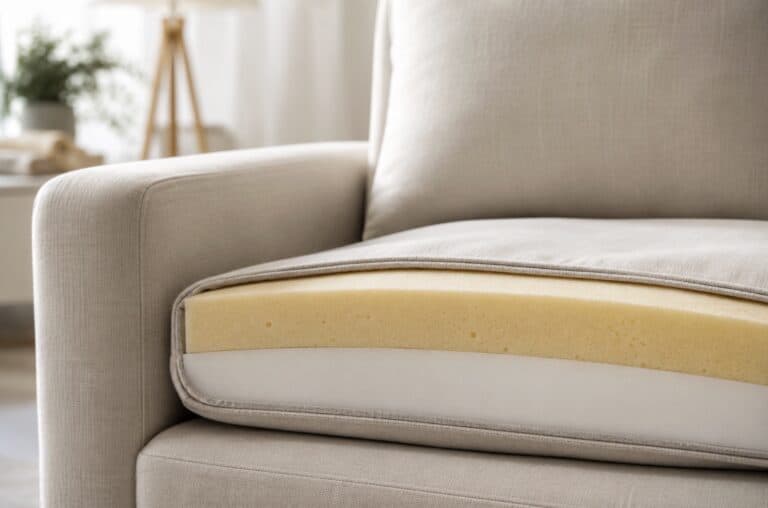
Couch foam is not automatically toxic, but the type of foam inside your sofa can affect how much chemical exposure…

Furniture can contain chemicals because manufacturers use them to bind wood, protect surfaces, soften foam, resist stains, and improve durability….

Furniture materials can affect more than how a room looks. They can also influence indoor air quality, durability, and the…
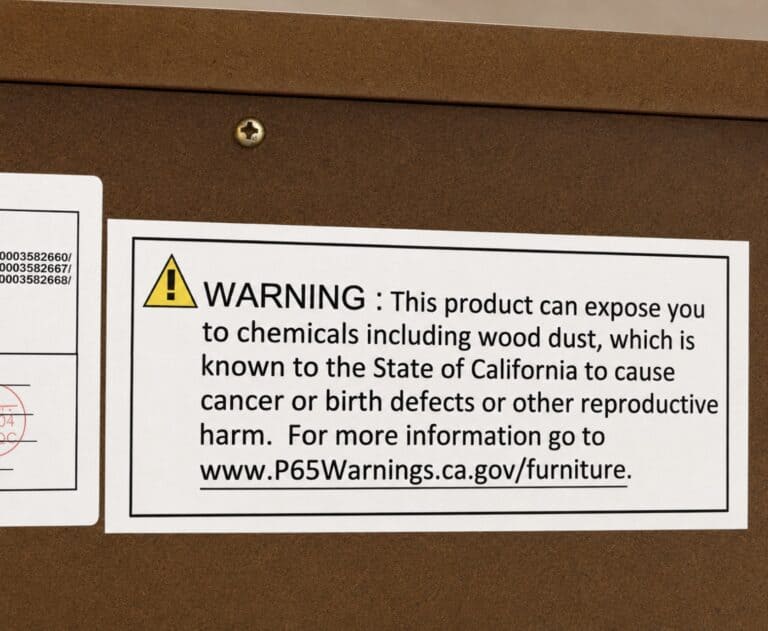
Seeing a Prop 65 warning on furniture can feel alarming, especially when you are trying to choose furniture for your…

Flame retardants in furniture are not as common as they once were, but they have not disappeared completely. For years,…

Off-gassing sounds alarming, but the real question is how much you are breathing in and for how long. That matters…