What Certifications Should a Non-Toxic Couch Have? A Simple Label Guide

When you’re shopping for a non-toxic couch, certifications can make the search feel less overwhelming- but they’re only part of choosing a safe couch.
Instead of relying only on broad claims like “eco-friendly” or “safe,” a good certification can show that part of the couch has been tested for things like chemical emissions, textile safety, foam ingredients, or wood sourcing.
This matters because the FTC advises brands to avoid broad, unsupported environmental claims, which means shoppers should look for specific, verifiable labels rather than vague marketing language.
The key is knowing which certifications carry the most weight and what each one actually tells you.
The best non-toxic couch certifications are GREENGUARD Gold, GOTS, GOLS, and MADE SAFE.
These labels can help you identify lower-emission materials, safer textiles, organic latex, or stronger ingredient screening.
They do not automatically mean the entire couch is chemical-free, so check which part of the couch each certification covers.
Certifications to Prioritize
When shopping for a non-toxic couch, start with the certifications that tell you the most about indoor air emissions and main materials.
A couch is a large item that sits inside your home every day, so low-emission testing should carry more weight than a vague “eco” claim.
VOCs matter here because couches can contain materials that release gases into indoor air.
Research on indoor air pollutants lists furnishings, glues, adhesives, and household products as common VOC sources indoors.
Here is the simplest priority order:
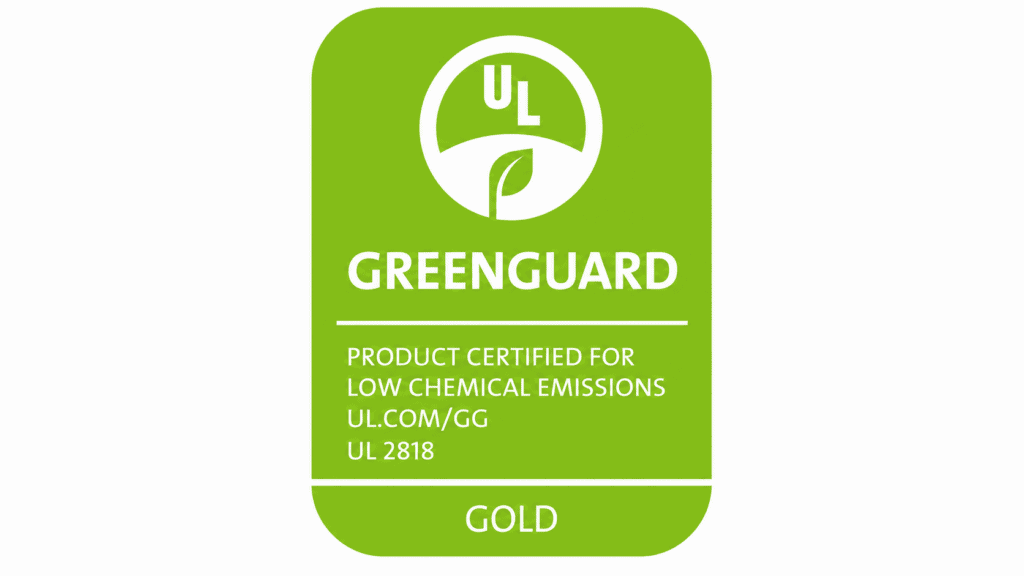
- GREENGUARD Gold
This is one of the best certifications to look for first. It means the product has been tested for low chemical emissions, including VOCs. For couches, this matters because the whole piece may include foam, fabric, adhesives, and engineered wood. - GOTS
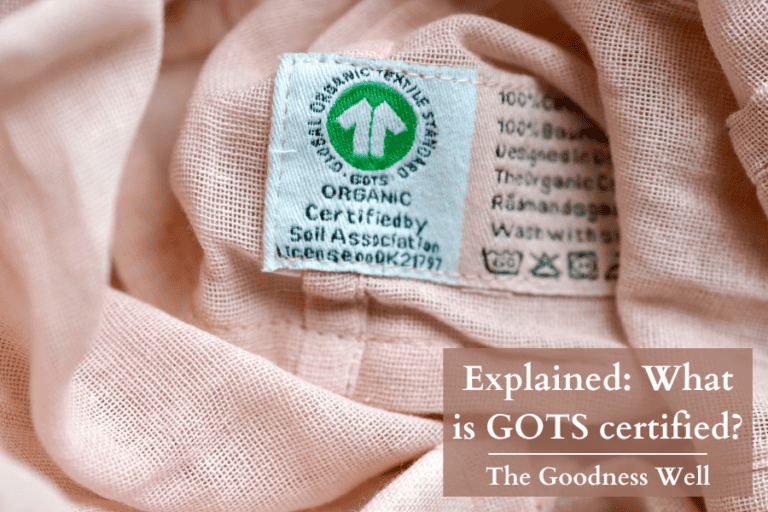
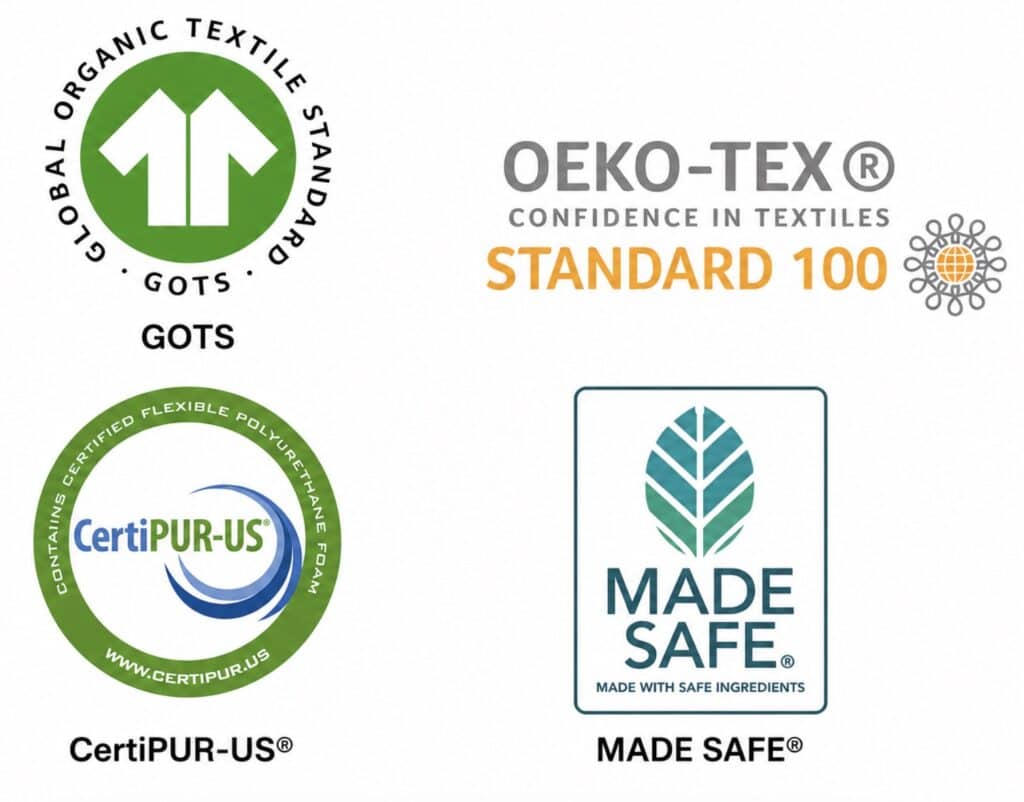
Look for GOTS when the couch uses organic cotton, wool, or other natural textiles. It is especially useful for fabric covers and upholstery materials. It does not automatically cover the entire couch. - GOLS
GOLS matters most if the couch uses organic latex cushions. It helps verify that the latex comes from organic sources and meets processing standards. This label is less relevant for couches made with polyurethane foam. - MADE SAFE
MADE SAFE screens products for a wide range of chemicals of concern. It can be helpful when available, but it is not as common in couches as some other labels. - OEKO-TEX Standard 100
OEKO-TEX is useful for textiles that touch your skin. It means the fabric has been tested for certain harmful substances. It does not mean the couch frame, foam, or adhesives were tested. - FSC
FSC is most helpful for the wood frame. It focuses on responsibly sourced wood, not indoor air emissions. Use it as a sourcing label, not a full non-toxic couch label. - CertiPUR-US
CertiPUR-US applies to polyurethane foam. It can help screen for certain substances and emissions in foam, but it does not cover the whole couch. It should be treated as a secondary label, not the strongest proof of a non-toxic couch.
Real-Life Example
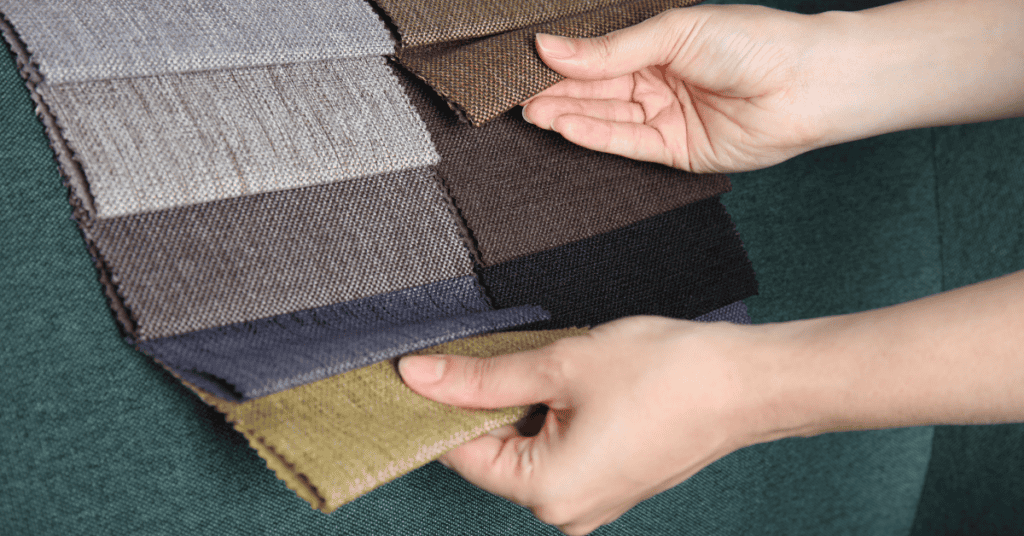
You find one couch with only CertiPUR-US foam and another with GREENGUARD Gold certification plus GOTS fabric. The first label tells you something about the foam, while the second option gives you more information about emissions and upholstery materials. The second option would be a safer choice overall.
What Each Label Means
Each couch certification looks at a different part of the product. Some test the air emissions from the finished item. Others focus on textiles, foam, latex, wood, or ingredient screening.
Emissions Certifications
GREENGUARD Gold is the main emissions label to know. It tests products for chemical emissions that enter indoor air.
For couches, this is useful because the finished piece is tested under indoor-use conditions.
UL describes GREENGUARD Certification as a way to show compliance with chemical emission standards for healthier indoor spaces.
Emissions testing looks at what a product releases into indoor air after it is made. This is different from simply checking the ingredient list.
For a couch, this makes emissions testing one of the most practical labels to check.
Material Certifications
These labels tell you more about what certain couch parts are made from.
- GOTS applies to organic textiles. On a couch, that usually means fabric made with organic fibers, such as cotton or wool. GOTS covers organic fibers and processing stages for certified textile products.
- GOLS applies to organic latex. This matters when a couch uses latex cushions instead of synthetic foam. The standard covers organic latex sourcing and processing requirements.
- OEKO-TEX Standard 100 applies to textiles tested for harmful substances. On a couch, this usually helps with upholstery fabric, thread, or other textile parts. OEKO-TEX describes the label as a textile safety standard from yarn to finished product.
- FSC applies to wood sourcing. It tells you the wood comes from forests managed under responsible forestry standards. This is most relevant for the couch frame, not the fabric or cushions.
- CertiPUR-US applies to flexible polyurethane foam. It checks foam for content, emissions, and durability. For couches, this helps when the cushions use polyurethane foam instead of latex or natural fill.
When comparing two couches, choose the one with certifications that cover more than one part of the product, not just the cushions.
Ingredient Screening
MADE SAFE looks at product ingredients through a broader human health and ecosystem lens. This can be helpful when a brand uses it for furniture, cushions, or home goods.
This label is different from an emissions test. It focuses more on what goes into the product, rather than only what comes out of it in indoor air.
MADE SAFE describes its program as a human health and ecosystem-focused product certification.
What Certifications Miss

Certifications are useful, but they are not the same as a full ingredient list. A couch can have one certified part and several uncertified parts.
For example:
- A textile label may apply only to the fabric.
- A foam label may apply only to the cushions.
- A wood label may apply only to the frame.
- An emissions label may not tell you every chemical used in treatments or coatings.
This matters most with couches marketed as stain-resistant, water-resistant, or performance fabric. Those finishes may use added treatments that are separate from the fabric itself.
Fabric treatments are often added after the textile is made. That means the fabric itself and the finish on top may need separate questions.
Some stain-resistant treatments have used PFAS, a group of chemicals that the CDC says can stay in the body for long periods.
A certification also may not mean the couch is:
- fully organic
- completely chemical-free
- PFAS-free
- fragrance-free
- untreated
- made only with natural materials
- certified as a finished, whole product
The safest way to read a certification is to ask, “Which part of the couch does this apply to?”
Ask the brand to name the certified component in writing, such as the fabric, foam, latex, frame, or finished couch.
If the product page does not say, ask before buying. A clear answer is more useful than a long list of green-sounding claims.
How to Use Certifications

Use certifications as a filter, not the final answer. They help you narrow your options before you look closer at the full materials list.
At The Goodness Well, we see certifications as a shortcut, not a substitute for asking what the couch is actually made from.
A simple way to shop is:
- Start with GREENGUARD Gold if indoor air quality is your top concern. Furnishings are one source of indoor VOCs, which is why EPA indoor air guidance recommends reducing VOC sources when possible.
- Look for GOTS if the couch has cotton, wool, or linen upholstery.
- Look for GOLS if the cushions use organic latex.
- Use OEKO-TEX as a textile check, especially for fabric that touches skin often.
- Use CertiPUR-US as a foam check when the couch uses polyurethane foam.
- Use FSC for the frame, especially if wood sourcing matters to you.
- Look for MADE SAFE when available, especially on brands that disclose materials clearly.
Save the product page or certification details before buying. This makes it easier to compare couches side by side.
Before buying, ask the brand one direct question:
“Which parts of this couch are certified?”
A clear answer should name the fabric, foam, latex, wood, or finished couch. If the brand only says “certified materials,” ask for the exact certification and what component it covers.
Also be careful with vague claims like:
- “eco-friendly”
- “green”
- “clean”
- “natural”
- “non-toxic”
- “safe for the whole family”
A better product page should show the exact label, the certified component, and a way to verify the claim.
Best Certification Combination

The best non-toxic couch will usually have more than one meaningful certification. Look for labels that cover different parts of the couch, not several labels that all apply to the same material.
A strong certification mix would include:
- GREENGUARD Gold for low indoor emissions
- GOTS-certified fabric for organic cotton, wool, or other textile upholstery
- GOLS-certified latex if the cushions use latex
- FSC-certified wood for the frame
- MADE SAFE, OEKO-TEX, or CertiPUR-US as helpful supporting checks
If you can only prioritize one label, start with GREENGUARD Gold. A couch is a large indoor item, so emissions testing matters.
The strongest option is not always the couch with the longest list of labels. It is the couch with certifications that match the parts you care about most.
A practical goal is:
Low-emission finished couch + certified upholstery + clearly disclosed cushion material + responsibly sourced frame.
Key Takeaway: The strongest choice is a couch with relevant certifications across emissions, fabric, cushions, and frame materials.
That combination gives you a clearer picture than a single “non-toxic” claim.
Do not count labels only by number. A few well-matched certifications are more useful than many labels covering the same part.
Conclusion
Certifications can make couch shopping much easier, but they work best when you know what each label actually covers.
No single certification proves a couch is perfectly non-toxic, but the right mix can help you choose lower-emission materials, safer textiles, and more transparent brands.
The goal is not to find a flawless couch. It is to make a better, more informed choice with the information available.